

Wheat
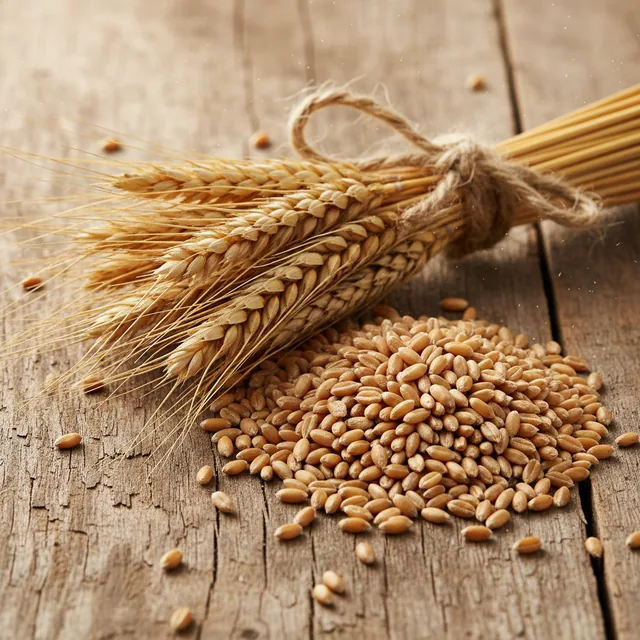
Wheat is a common grain used in foods like chapati, bread, porridge, and many everyday meals. It is often enjoyed as a filling grain when prepared simply and eaten warm.
गोधूमाश्च बल्याः स्थिराः स्निग्धाः
godhūmāśca balyāḥ sthirāḥ snigdhāḥ
Traditional context
May appear in Ayurveda food/routine discussions, but this record does not assign a universal dosha effect, therapeutic indication, or disease claim.
Traditional description
Commonly chosen when
- Often enjoyed when someone wants a filling grain-based meal
- Commonly chosen for warm everyday foods like chapati, porridge, or simple bread
Evidence boundary
This is an ordinary food/culinary reference. The record does not establish a disease-treatment effect or automatically classify the item as regulated Ayurveda Aahara.
What varies. Recipes, portions, preparation, individual tolerance, allergies, medical diets and cultural context vary.
- Carakasaṁhitā e-Samhita — National Institute of Indian Medical Heritage / CCRAS
- Food Safety and Standards (Ayurveda Aahara) Regulations, 2022 — Food Safety and Standards Authority of India, Ministry of Health and Family Welfare, Government of India
- Order regarding Ayurveda Aahara covered under the 2022 Regulations — Food Safety and Standards Authority of India, Ministry of Health and Family Welfare, Government of India
Comprehensive Monograph & Research
The Nourishing Power of Wheat in Daily Life
Wheat is a staple grain that has been cherished for its nourishing qualities for centuries. In Ayurveda, wheat is considered to have a sweet taste and cooling potency, making it ideal for balancing Vata and Pitta doshas. Its heavy and unctuous qualities provide grounding and strength, which can be particularly beneficial during times of physical exertion or stress. Wheat is versatile and can be incorporated into various meals, from chapatis and bread to porridge. Its ability to provide sustained energy makes it a preferred choice for many. However, due to its heavy nature, it may not be suitable for those with Kapha imbalances. By understanding the Ayurvedic properties of wheat, we can appreciate its role in promoting health and vitality in our daily lives.
Incorporate wheat into your diet by making chapatis, bread, or porridge. Enjoy it warm for a comforting meal. Pair with vegetables or lentils for a balanced dish.
गेहूं: दैनिक जीवन में पोषण का स्रोत
गेहूं एक प्रमुख अनाज है जिसे सदियों से इसके पोषण गुणों के लिए सराहा गया है। आयुर्वेद में, गेहूं को मधुर स्वाद और शीतल प्रभाव वाला माना गया है, जो वात और पित्त दोषों को संतुलित करने के लिए आदर्श है। इसकी भारी और स्निग्ध गुणधर्म शरीर को स्थिरता और शक्ति प्रदान करते हैं, जो शारीरिक परिश्रम या तनाव के समय विशेष रूप से लाभकारी हो सकते हैं। गेहूं को विभिन्न भोजन जैसे चपाती, ब्रेड और दलिया में शामिल किया जा सकता है। इसकी स्थायी ऊर्जा प्रदान करने की क्षमता इसे कई लोगों के लिए पसंदीदा बनाती है। हालांकि, इसकी भारी प्रकृति के कारण, यह कफ असंतुलन वाले लोगों के लिए उपयुक्त नहीं हो सकता। गेहूं के आयुर्वेदिक गुणों को समझकर, हम इसे अपने दैनिक जीवन में स्वास्थ्य और जीवन शक्ति को बढ़ावा देने में इसकी भूमिका की सराहना कर सकते हैं।
अपने आहार में गेहूं को चपाती, ब्रेड या दलिया के रूप में शामिल करें। इसे गर्मागर्म खाएं। संतुलित भोजन के लिए इसे सब्जियों या दालों के साथ परोसें।
Safety context
General food awareness only. Individual tolerance varies.
This is not a medical or therapeutic diet. For dietary conditions, consult a professional.
Allergy, intolerance, food safety and individualized medical dietary advice take priority over generic Ayurveda education. Relevant allergy/intolerance context: wheat/gluten.
Consult: Anyone with wheat allergy, gluten intolerance, celiac disease, digestive sensitivity, or a medical dietary need
No dosage, preparation strength or symptom-to-herb recommendation is given here.