

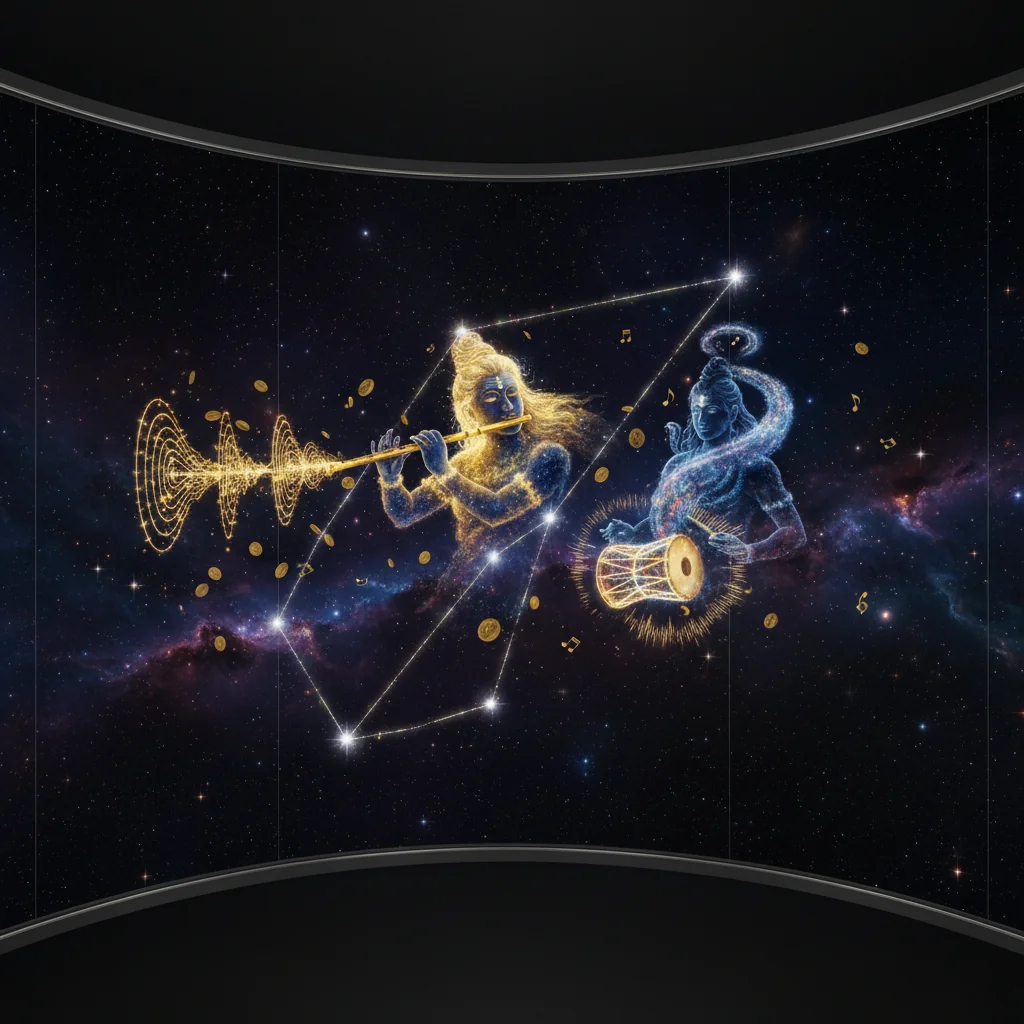
The science of Mantra (derived from Mananaat Traayate Iti Mantrah, meaning that which protects the mind through sustained contemplation) is the acoustic bedrock of Vedic spirituality. In Sanatana Dharma, a mantra is not a linguistic sentence; it is a precisely engineered sonic formula whose primordial frequency aligns human neuro-energetic circuitry with cosmic consciousness. Every authentic Vedic mantra possesses six essential limbs (Shadanga): a Rishi (the enlightened seer who perceived it), a Chhanda (the metric rhythm), a Devata (the presiding cosmic archetype), a Beeja (the sonic seed), a Shakti (the empowering kinetic force), and a Kilaka (the protective pin or key). When chanted with pure intention and phonetic precision, mantras alter brainwave states, activate the vagus nerve, and dissolve deep karmic impressions. The Vedic Mantras Portal provides verified Devanagari texts, Sanskrit audio pronunciations, Beej mantra analyses, and guided japa protocols for Gayatri, Maha Mrityunjaya, and deity-specific mantras.
⚖️ Wellness & Legal Safety Disclaimer
This digital self-help exercise and informational guide are intended solely for educational, psychoeducational, and general personal wellness purposes. It does not constitute medical advice, clinical psychological assessment, psychiatric treatment, or a formal therapeutic relationship. Wellbeing exercises affect individuals differently; discontinue any somatic or cognitive practice that elicits distress and consult a licensed healthcare professional.
Emergency Crisis Resources: If you are experiencing acute psychological distress, panic crisis, or thoughts of self-harm, please reach out immediately to qualified emergency support services: Tele-MANAS (14416 / 1800-891-4416), KIRAN Mental Health Support (1800-599-0019, 24×7), or National Emergency Services (112 in India, 988 in the US/Canada).
The Three Modes of Mantra Chanting (Japa Vidhi)
| Chanting Methodology | Acoustic & Somatic Mechanism | Relative Spiritual Potency |
|---|---|---|
| Vaikhari (Audible Chanting) | Audible voice engages the physical vocal cords and resonates throughout the immediate physical environment. | Baseline potency; essential for beginners to establish flawless rhythm, correct pronunciation, and focus drifting attention. |
| Upanshu (Whisper Chanting) | Lips and tongue move subtly; sound is audible only to the practitioner’s own ears. | Considered 100 times more potent than Vaikhari; deepens internal sensory withdrawal (Pratyahara). |
| Manasika (Silent Mental Chanting) | Zero physical movement; mantra pulses purely within the quiet field of conscious awareness. | Considered 1,000 to 10,000 times more potent; transforms subconscious thought loops and triggers spontaneous Samadhi. |
Vedic Rules for Japa Mala Practice
- Sacred Rosary Selection: Use Tulsi mala for Vishnu/Krishna japa, Rudraksha for Shiva and Devi japa, and Sphatik or Kamal-Gatta for Lakshmi and Saraswati mantras.
- Proper Finger Placement: Roll the beads using the right hand’s middle finger and thumb; the index finger (symbolizing personal ego) must never touch the rosary.
- Respecting the Meru Bead: Upon completing 108 repetitions, do not cross over the central Meru bead; flip the mala around and continue in the reverse direction.
Frequently Asked Questions
Why are mantras chanted specifically 108 times?
In Vedic astronomy and yogic physiology, 108 represents cosmic harmony: 12 astrological signs multiplied by 9 planetary grahas equals 108. The distance between the Earth and the Sun is approximately 108 times the Sun’s diameter. In the subtle body, 108 primary nadis converge to form the heart chakra (Anahata).
What is the difference between a Shloka and a Mantra?
A Shloka is a metric poetic verse conveying philosophical or descriptive praise, whereas a Mantra is an energized sonic vibration perceived by seers (Rishis) designed to alter consciousness and activate specific cosmic energies.
Content published on Kriyasya Pulse represents editorial and educational insights uniting traditional wisdom with contemporary research. Readers are encouraged to apply discernment and seek qualified guidance where appropriate.