

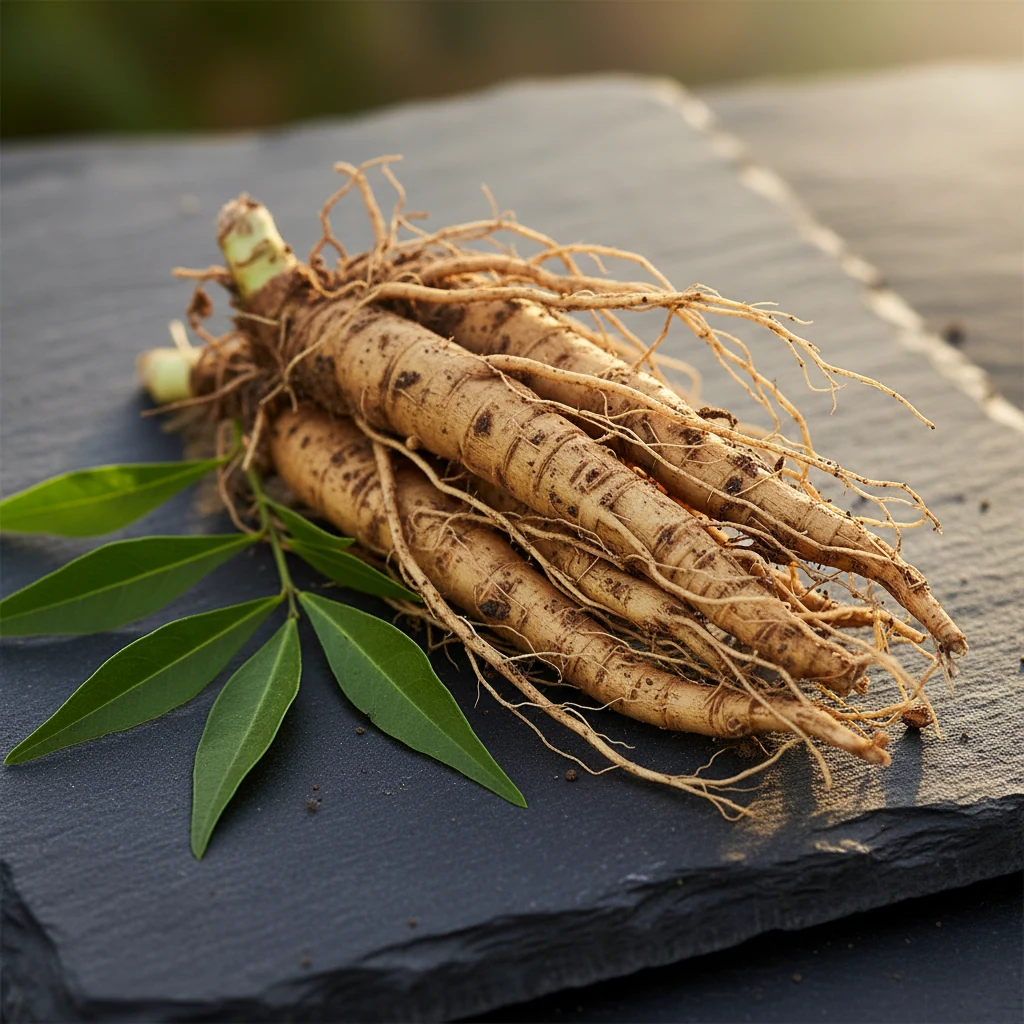
The ancient treatises of Ayurveda, including the Charaka Samhita, Sushruta Samhita, and Bhavaprakasha Nighantu, celebrate Kodrava (Kodo Millet) (Paspalum scrobiculatum) as an indispensable dravya for restoring constitutional balance, nurturing the deeper tissues (Dhatus), and preserving vital life essence (Ojas). In this comprehensive master guide, we explore the pharmacological architecture, classical indications, and clinical applications of this renowned substance.
Classical Treatise Shloka & Sanskrit Anvaya
कोद्रवः शीतलो ग्राही मधुरः कफपित्तहा। क्लेदशोषणपरः श्रेष्ठः प्रमेहेषु च शस्यते॥
— kodravaḥ śītalo grāhī madhuraḥ kaphapittahā, kledaśoṣaṇaparaḥ śreṣṭhaḥ prameheṣu ca śasyate (Sushruta Samhita, Sutrasthana 46.23 / Bhavaprakasha Nighantu)
Sanskrit Anvaya & Translation: Kodo millet is cooling, astringent and binding (Grahi), sweet, pacifies Kapha and Pitta, actively absorbs pathological tissue moisture (Kleda Shoshana), and is highly praised in Prameha (diabetes and urinary disorders).
Complete Dravya Guna & Energetic Profile
Ayurvedic pharmacology analyzes every food and herb through its elemental energetics. The fundamental properties of Kodrava (Kodo Millet) are outlined below:
Modern Scientific Research vs Ancient Ayurvedic Science: Evidence Synthesis
Recent pharmacological studies and peer-reviewed randomized controlled trials (RCTs) continue to validate the intuitive insights of ancient Ayurvedic masters regarding Kodrava (Kodo Millet):
- Clinical Evidence Summary: Demonstrates high antioxidant capacity, delayed carbohydrate hydrolysis via alpha-glucosidase inhibition, and pronounced anti-inflammatory activity.
- Mechanisms of Action: Modern biochemical assays confirm potent antioxidant capacity, NF-kB pathway inhibition, lipid peroxidation reduction, and modulation of gut microbiome diversity.
- Metabolic Impact: Clinical trials corroborate classical claims of glycemic regulation, improved endothelial nitric oxide release, and cellular mitochondrial protection.
- Bridging Traditions: Where Ayurveda describes Deepana and Pachana, contemporary gastroenterology measures enhanced gastric enzyme secretion and accelerated brush-border nutrient absorption.
This remarkable concordance between millennia-old Sanskrit treatises and cutting-edge laboratory science confirms Kodrava (Kodo Millet) as a premier functional superfood for modern wellness.
✦ Interactive Ayurvedic Diagnostic: Ayurvedic Body Mass & Kapha Cleansing Calculator
Calculate your Doshic lipid accumulation and receive personalized millet recommendations.
Practical Clinical FAQs
1. How long does it take to experience visible health benefits from Kodrava (Kodo Millet)?
Patients notice reduced post-meal sluggishness and improved glycemic control within 2 to 3 weeks of replacing refined white rice with Kodo millet.
2. Can Kodrava (Kodo Millet) be consumed daily throughout the year?
Yes, particularly during autumn and spring Kapha/Pitta seasons; Vata types should consume it 2-3 times weekly rather than daily.
3. What is the most common mistake people make when using Kodrava (Kodo Millet)?
Cooking unsoaked millet in a hurry, leading to intestinal gas and incomplete nutrient assimilation.
4. How does Kodrava (Kodo Millet) interact with prescription medications?
No direct adverse drug interactions known; monitor blood glucose levels if co-administering with prescription anti-hyperglycemic agents.
Editorial Vaidya Verdict & Shastric Summary
The classical texts of Ayurveda place Kodrava (Kodo Millet) among the most revered dravyas for long-term health maintenance and disease management. By honoring proper preparation rules, seasonal rhythms, and personal constitutional requirements, you harness the full restorative wisdom of classical Indian medicine for enduring vitality and longevity.
The Ayurvedic concepts, dietary principles, herbal information, and somatic wellness protocols published on Kriyasya are for general educational awareness only. They do not constitute formal medical diagnosis, treatment, or clinical prescription. Always consult a licensed Ayurvedic physician (Vaidya) or qualified healthcare professional before beginning any new herbal regimen or lifestyle therapy.