

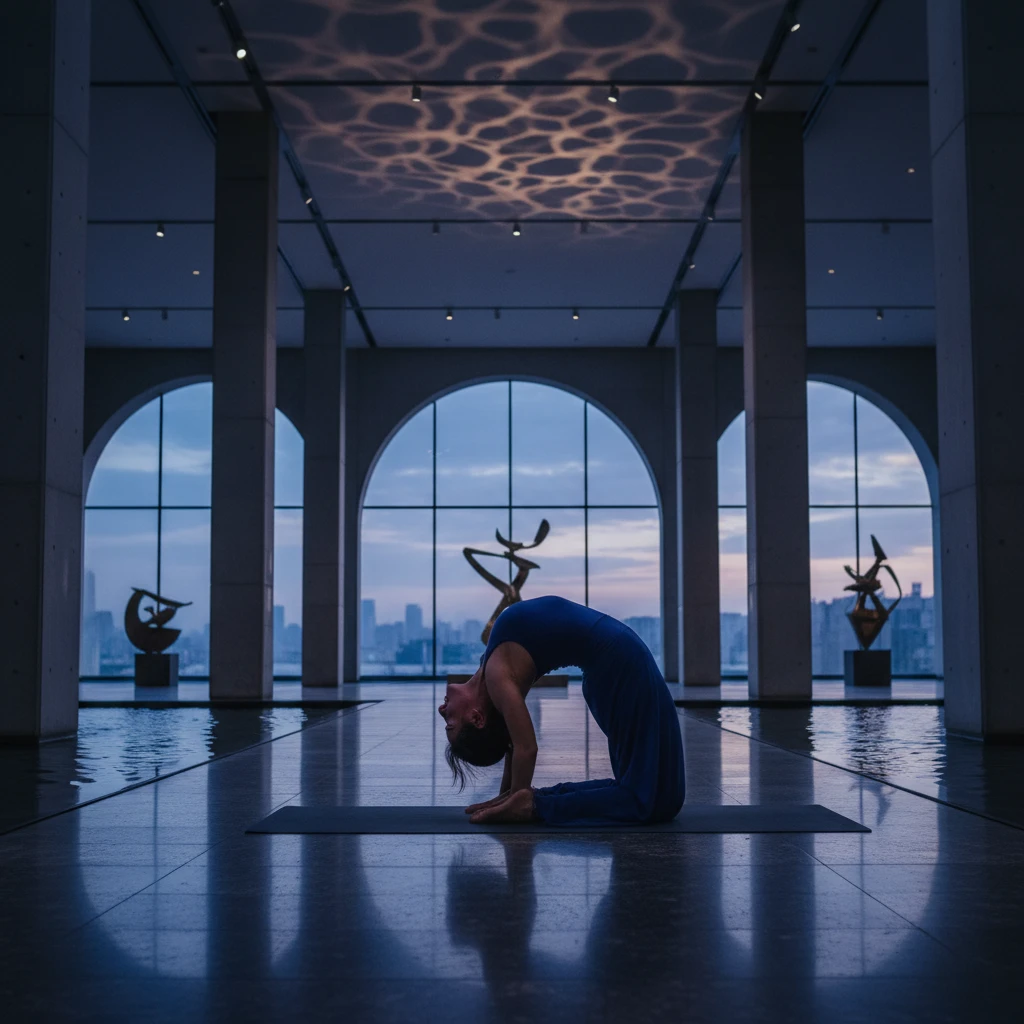
In the profound spiritual tradition of Vedic Mantra Shastra and Nada Yoga, cosmic creation originates from sacred sonic frequencies. Understanding Japa Sankalpa Nyasa Mudras empowers the conscious practitioner to harmonize inner biological rhythms with supreme divine consciousness, unlocking spiritual vitality and worldly peace.
Daily Practice Architecture & Routine
Mantra Shastra Core Insight: Establishing a steadfast daily practice anchors peace, dispels existential anxieties, and elevates morning consciousness. In relation to Japa Sankalpa and Nyasa, classical treatises like the Mantra Mahodadhi and Sharda Tilakam explain that observing its exact phonetic intonation, presiding deity, and mental concentration generates an aura of calm, shielding the practitioner from stress while nurturing inner clarity.
Authentic Vedic japa sadhana incorporates three preparatory disciplines that convert simple vocal repetition into an awakened spiritual technology: Sankalpa (conscious programmatic vow of intention), Nyasa (ritual consecration of divine mantra syllables onto physical body points), and Mudras (subtle hand gestures directing pranic circuits).
Practicing Kara Nyasa (hand placement) and Anga Nyasa (touching heart, crown, third eye, and armor) deifies the physical body, establishing that the practitioner and the presiding deity are essentially non-different. This preparatory alignment shields the nervous system from energetic overload and channels 100% of the acoustic vibration into spiritual awakening.
Mantra Correspondences & Sonic Parameters
The core energetic parameters and classical correspondences governing this sacred sonic discipline are outlined in the following analytical table:
| Spiritual Dimension | Classical Parameter | Practical Manifestation |
|---|---|---|
| Primary Sonic Archetype | Japa Sankalpa Nyasa Mudras | Fundamental vibrational resonance tuning the subtle body |
| Presiding Divine Aspect | Deity Consciousness | Source of protective grace, courage, and discernment |
| Optimal Chanting Time | Brahma Muhurta & Sandhya | Pristine temporal windows minimizing external acoustic distraction |
| Harmonizing Rosary (Mala) | Sacred Organic Beads | Bioelectric conduit stabilizing japa rhythm and counts |
| Inner Spiritual Objective | Chitta Shuddhi & Peace | Purification of mind and unshakeable inner balance |
5-Step Practical Implementation Protocol
Integrate this sacred sonic discipline into your daily life through this systematic, accessible protocol:
- Step 1 (Physical & Space Cleansing): Bathe or wash hands and face, sit facing East or North on an insulated natural mat (kusha or wool).
- Step 2 (Pranic Breath Grounding): Practice three to five rounds of gentle alternate nostril breathing (Nadi Shodhana) to calm mental agitation.
- Step 3 (Sankalpa & Reverence): State a clear, heartfelt intention of self-purification and seek blessings from the universal supreme consciousness.
- Step 4 (Rhythmic Japa Practice): Chant with steady, unhurried cadence, focusing your awareness on the heart center or the brow center (Ajna chakra).
- Step 5 (Silent Integration): Sit in silent contemplation for at least three minutes after chanting, absorbing the subtle vibrations into your cellular biofield.
Authentic Shanti Upayas & Remedial Antidotes
If beginners experience vocal strain, wandering thoughts, or minor pronunciation hesitation, classical teachers advise shifting from audible recitation (Vaikhari) to whisper (Upanshu) or pure mental repetition (Manasika). Offering pure water to the rising sun, maintaining respectful gratitude toward spiritual preceptors, and dedicating the fruits of practice to universal peace dissolve obstacles and restore serene balance.
Frequently Asked Questions
Q: What is the primary difference between chanting aloud and mental japa?
A: Audible recitation stabilizes physical senses and breathing, whereas mental japa operates at deeper neurological levels, inducing profound meditative silence and calming the mind.
Q: How many repetitions are recommended for daily practice?
A: Traditional daily sadhana recommends completing one full mala of 108 repetitions, though even 27 mindful repetitions practiced with sincere devotion yield immediate mental tranquility.
Q: Can anyone practice these sacred sonic vibrations safely?
A: Yes. Sincere, peaceful repetition focused on spiritual well-being and positive ethical virtues is accessible and deeply uplifting for seekers of all backgrounds.
Explore Sacred Mantras & Japa Timers
Deepen your practice with authentic Sanskrit pronunciations, 108-count digital counters, and Vedic panchang timers on Kriyasya.
Launch Mantra Intelligence →Vedic astrology, numerology, and planetary insights shared on Kriyasya are rooted in classical Indian treatises and provided solely for spiritual reflection, philosophical self-awareness, and cultural study. These interpretations are subjective and should not be used as a substitute for certified medical, psychological, legal, or financial professional counsel.