

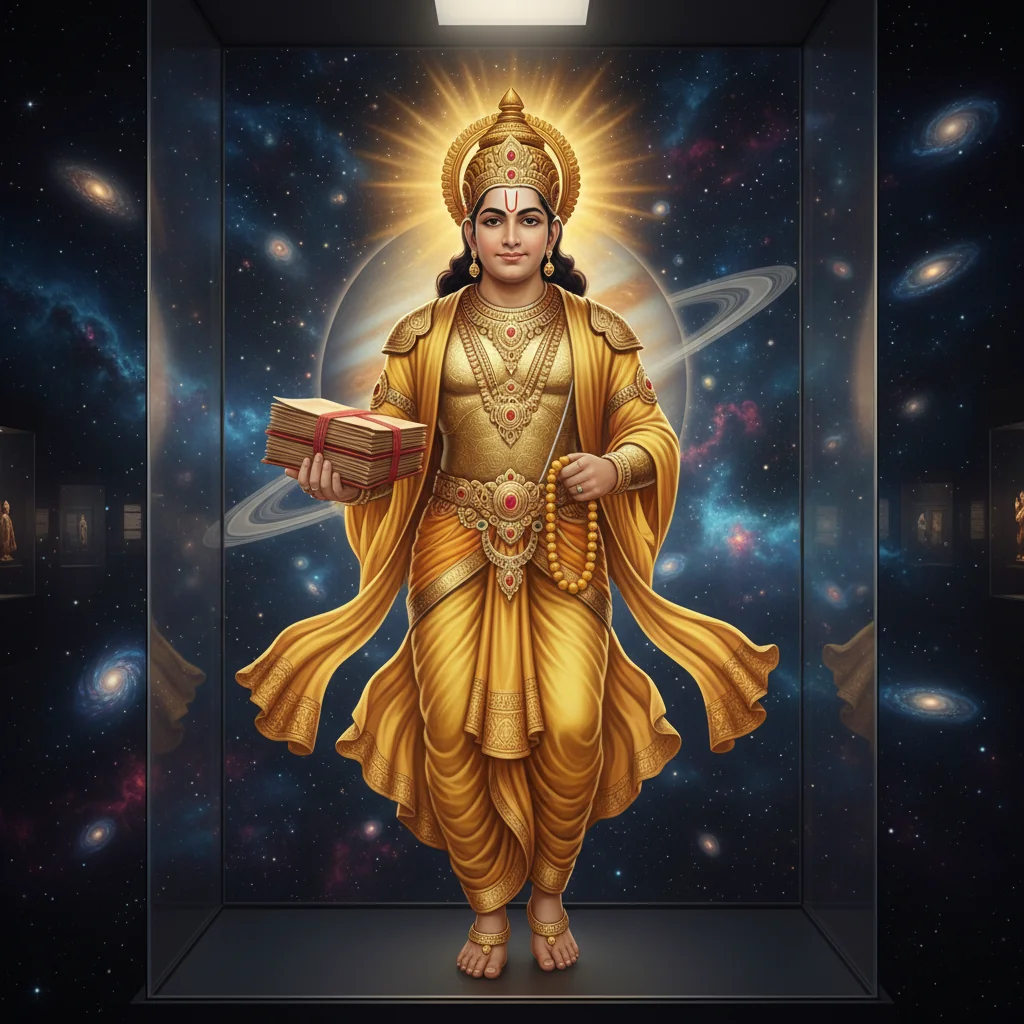
Within the sacred esoteric canon of the Western Mystery tradition, Hermetic Qabalah, and esoteric Tarot philosophy, Death stands as a monumental archetypal portal. Designated as XIII within the Major Arcana, this sacred emblem bridges universal metaphysical principles with the tangible realities of human experience. This authoritative guide delivers an exhaustive clinical analysis of this card across psychological, divinatory, and spiritual dimensions.
Classical Treatise Shloka & Sacred Sanskrit Invocations
जीर्णानि वस्त्राणि यथा विहाय नवानि गृह्णाति नरोऽपराणि। तथा शरीराणि विहाय जीर्णान्यन्यानि संयाति नवानि देही॥
— jīrṇāni vastrāṇi yathā vihāya navāni gṛhṇāti naro’parāṇi, tathā śarīrāṇi vihāya jīrṇānyanyāni saṁyāti navāni dehī
Sanskrit Anvaya & Esoteric Synthesis: Just as a person discards worn-out garments and puts on new ones, so the embodied soul casts off worn-out forms and enters into transformed, new expressions of life.
Archetypal & Cosmological Energy Matrix
Every Tarot card operates within a rigorous matrix of celestial coordinates, elemental forces, and psychological polarities. The foundational parameters of Death are summarized below:
Jungian Shadow Examination & Deep Subconscious Healing
In the framework of Analytical Psychology, Death serves as an uncompromising mirror reflecting the repressed components of the human psyche:
- Unconscious Shadow Wound: Terrified attachment to painful situations out of fear of the unknown, morbid nihilism, and dragging emotional corpses into fresh beginnings.. This represents the disowned psychological complex projecting outward as interpersonal friction.
- Subconscious Defense Mechanisms: The ego deploys rationalization, intellectualization, or emotional avoidance to evade facing this core vulnerability.
- Path to Integration: Acknowledge the suppressed impulses without moralistic self-condemnation; integrate the primal energy into conscious creative pursuits.
- Somatic Release: Practice somatic breathwork and physical grounding to release chronic muscular tension associated with this psychological fixation.
Embracing the shadow dimension of Death transmutes emotional paralysis into profound psychological liberation and wholeness.
✦ Interactive Tarot Divination Tool: Death Shadow Work Reader
Consult the ancient archetypal wisdom of Death to reveal hidden psychological patterns, forecast relationship milestones, and receive instant divine clarity.
Practical Clinical & Life Decision FAQs
1. How can one determine if Death represents internal psychological states or external physical events?
In 99.9% of tarot readings, Death signifies profound psychological and circumstantial metamorphosis, not physical biological demise.
2. What does it mean when Death appears reversed repeatedly across multiple readings?
Reversed signals that you are prolonging your own suffering by clinging desperately to a relationship, job, or identity that expired long ago.
3. What is the most critical mistake readers make when interpreting Death?
Fearing the Death card; it is one of the most liberating cards in the deck, sweeping away decaying burdens so vibrant new growth can emerge.
4. How does Death interact with Vedic astrology and planetary dashas?
Operates with decisive power during Saturn-Rahu periods and Scorpio eclipses, dissolving stagnant karmic attachments irrevocably.
Editorial Tarot Acharya Verdict & Divinatory Summary
The timeless tradition of esoteric Tarot divination affirms that cards do not impose an inescapable fate, but rather illuminate the currents of spiritual and psychological energy shaping reality. By engaging with Death through conscious discernment, disciplined action, and intuitive humility, seekers unlock the profound power to navigate life’s trials with wisdom, dignity, and spiritual realization.
Vedic astrology, numerology, and planetary insights shared on Kriyasya are rooted in classical Indian treatises and provided solely for spiritual reflection, philosophical self-awareness, and cultural study. These interpretations are subjective and should not be used as a substitute for certified medical, psychological, legal, or financial professional counsel.