

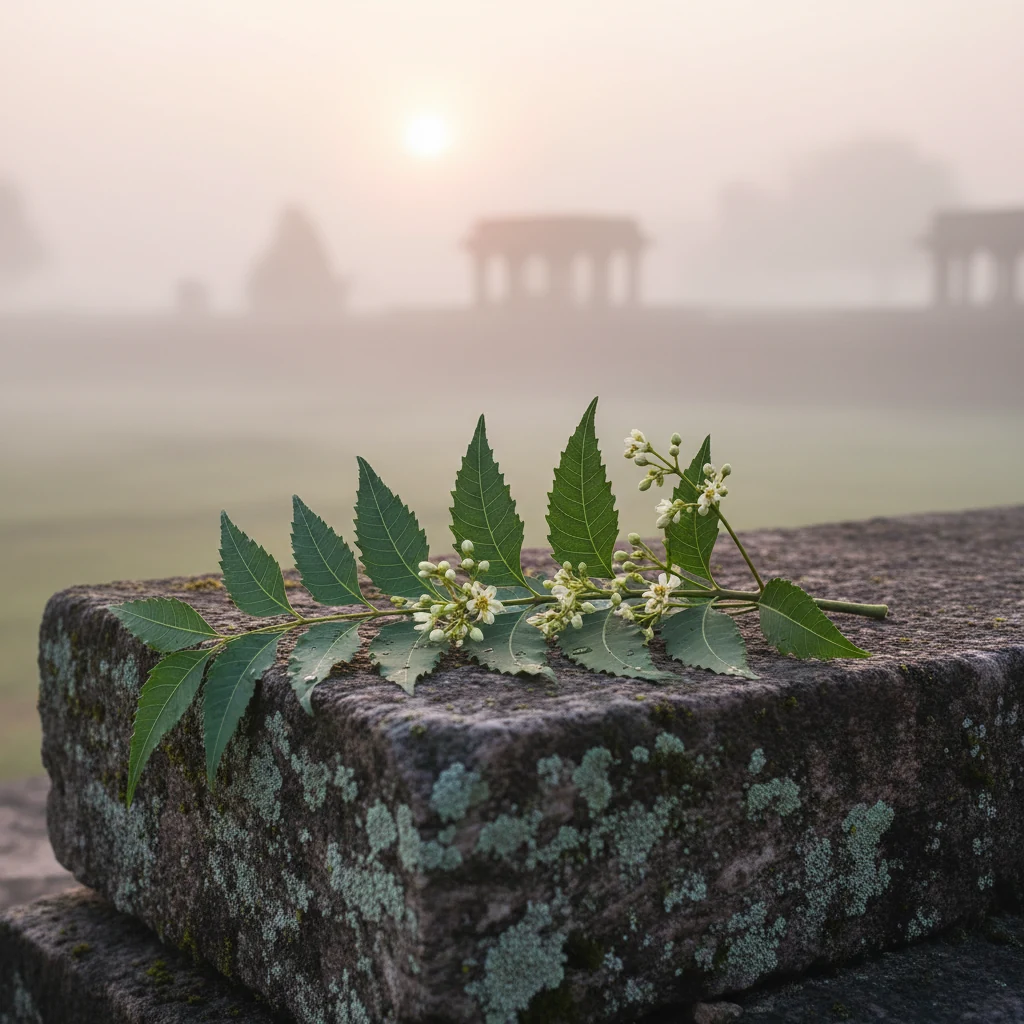
Quick Answer: In classical Ayurveda, managing Balancing Estrogen Dominance and Heavy Painful Periods with Ashoka centers on toning the uterine endometrium (Garbhashaya) and curbing excessive bleeding (Asrigdara) through astringent uterine nourisher Ashokarishta. By pacifying Garbhashaya & Apana Vayu (Uterine Tone & Menstrual Ease) through healing kitchen herbs, balanced meals, and rhythmic dinacharya, the body naturally restores digestive fire (Agni) and eliminates toxic metabolic debris (Ama).
Shodhana Science: Mild Home Cleansing, Channel Decongestion and Metabolic Ama Elimination
According to venerable Ayurvedic authorities including the Charaka Samhita and Ashtanga Hridaya, true physical vitality arises from harmonious equilibrium among the three Doshas (Vata, Pitta, Kapha) and the clarity of seven Dhatus. Ashoka literally translates to that which dispels grief. Heavy, painful menstrual cycles reflect congested emotional sorrow and exhaustion. Ashoka bark grounds the female pelvic consciousness, radiating profound physiological comfort and emotional relief.
Classical Scripture Citation
“अशोकस्य त्वचा सिद्धं क्षीरं हन्त्यसृग्दरम्। गर्भाशयविशुद्धिकृत् वेदनां शमयेत् क्षणात्॥”
Translation (Charaka Samhita (Chikitsa Sthana Yonivyapad)): Milk medicated with the sacred bark of Ashoka tree decisively cures excessive uterine hemorrhage; it thoroughly purifies the uterine sanctuary and rapidly pacifies pelvic agony.
Holistic Evaluation: Balancing Factors and Disruptive Triggers
The progression of lifestyle imbalances is shaped by the delicate interplay of diet, seasonal shifts, and daily habits. Understanding these specific dynamics empowers mindful self-healing:
| Clinical Dimension | Harmonious Healing Conditions | Aggravating Triggers & Pitfalls | Rebalancing Ayurvedic Solutions |
|---|---|---|---|
| Dietary Ahara | Ashoka bark decoction, Lodhra bark, soaked black raisins, pomegranate juice, fennel tea, boiled beetroot | Excess coffee, sour fermented batters, deep fried spicy snacks, heavy lifting during cycles, synthetic estrogens | Drinking Ashokarishta (20ml with equal warm water after meals), keeping lower abdomen warm with a hot compress |
| Herbal Chikitsa | Warm herbal decoctions taken at auspicious digest times | Irregular intake, synthetic quick-fix supplements | Consuming 20ml Ashokarishta mixed with 20ml warm water twice daily after principal meals |
| Habitual Vihara | Resting during the first two days of menstruation, sipping warm ginger-fennel tea, eating soaked almonds and figs | Strenuous high-intensity workouts during heavy flow days, consuming cold ice creams, taking cold water baths | Structured dinacharya and restorative rest |
5 Practical Steps for Daily Healing Sadhana
To cultivate lasting balance and reverse the root triggers of Balancing Estrogen Dominance and Heavy Painful Periods with Ashoka, implement these five evidence-based Ayurvedic practices:
- Honor Digestive Rhythms: Consume warm, freshly prepared meals when genuine physical hunger appears, avoiding overeating or late-night dinners.
- Incorporate Healing Herbs: Integrate Resting during the first two days of menstruation, sipping warm ginger-fennel tea, eating soaked almonds and figs into your morning or afternoon regimen with mindful consistency.
- Nourish Hydration: Sip warm water boiled with gentle digestive spices throughout the day to kindle Jatharagni and melt internal Ama.
- Avoid Harmful Triggers: Consciously eliminate Strenuous high-intensity workouts during heavy flow days, consuming cold ice creams, taking cold water baths to protect cellular channels and liver-gut filtration.
- Cultivate Mental Calm: Dedicate 15 minutes daily to deep rhythmic breathing (Pranayama) to soothe sympathetic overdrive and reduce inflammatory stress.
Non-Gemstone Practical Remedies and Kitchen Herbology
Core Classical Remedy: Boil 1 teaspoon crushed Ashoka bark in 1 cup water and 1 cup milk until half remains; strain and drink warm during cycles.
In authentic Ayurvedic tradition, lasting wellness does not demand expensive commercial therapies or synthetic pills. Nature provides complete pharmacopeia inside pure kitchen spices, conscious seasonal eating, and warm compassionate living.
Frequently Asked Questions (FAQs)
Why is Ashoka bark called the sovereign friend of female physiology?
Ashoka (Saraca asoca) contains potent phyto-estrogens, tannins, and ketosterol that gently balance estrogen receptors and tone vascular endometrium.
How does Lodhra complement Ashoka in curbing heavy flow?
Lodhra (Symplocos racemosa) possesses strong Kashaya (astringent) and Grahi properties that safely halt excessive capillary bleeding without clot formation.
Can ginger-fennel tea relieve severe menstrual cramps?
Yes, warm ginger-fennel infusion relaxes smooth uterine myometrium by blocking inflammatory prostaglandin synthesis.
The Ayurvedic concepts, dietary principles, herbal information, and somatic wellness protocols published on Kriyasya are for general educational awareness only. They do not constitute formal medical diagnosis, treatment, or clinical prescription. Always consult a licensed Ayurvedic physician (Vaidya) or qualified healthcare professional before beginning any new herbal regimen or lifestyle therapy.