

Turmeric
Haridra Curcuma longa
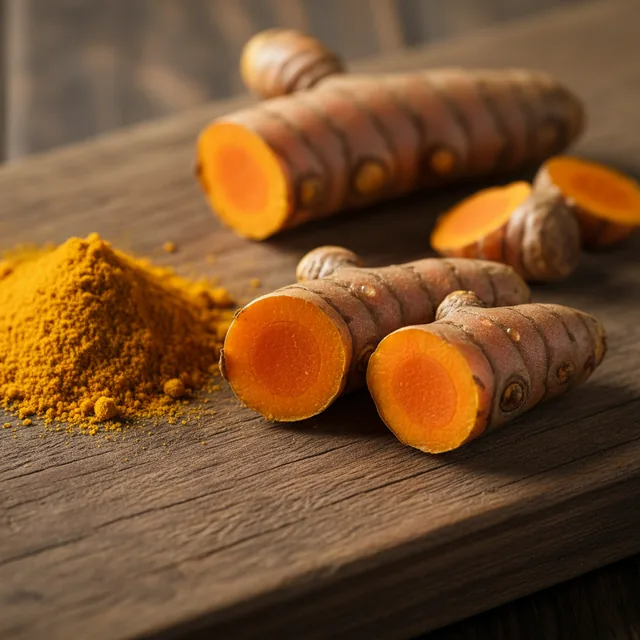
Turmeric is a familiar golden kitchen herb with a warm, earthy, and slightly sharp taste. It has a long place in Indian cooking and Ayurveda, and is presented here only for safe, general education.
हरिद्रा त्वग्दोषहरिणी
haridrā tvagdoṣahariṇī
Traditional context
Traditional Ayurveda materia-medica context is kept separate from modern clinical evidence.
Traditional description
Evidence boundary
Available research is heterogeneous and does not support a blanket conclusion that turmeric or curcumin benefits every promoted health purpose.
What varies. Evidence and safety can vary by species identity, plant part, preparation, product quality, exposure, population, medicines and health conditions.
How to read this
Read this as cultural and traditional context — not as a recommendation to take anything. For personal use, consult a qualified practitioner.
Comprehensive Monograph & Research
The Golden Wonder: Turmeric in Ayurveda
Turmeric, or Haridra, is a staple in both the kitchen and the Ayurvedic medicine cabinet. Its bright yellow color and warm, earthy flavor make it a beloved spice in Indian cuisine. In Ayurveda, turmeric is celebrated for its ability to balance Kapha and Vata doshas while being slightly heating, which can increase Pitta if overused. Its bitter and pungent taste, along with its light and dry qualities, make it particularly effective in supporting the body's natural inflammatory response and promoting healthy skin. Turmeric's active compound, curcumin, is often highlighted in modern research for its antioxidant properties. Traditionally, turmeric is used in a variety of ways, from culinary dishes to topical pastes for the skin. Its versatility and profound benefits make it a golden wonder in Ayurveda.
Add a pinch of turmeric to your daily cooking, such as curries, soups, or smoothies, for its flavor and benefits. You can also mix turmeric with warm milk or water for a soothing drink.
स्वर्णिम चमत्कार: आयुर्वेद में हल्दी
हल्दी, जिसे हरिद्रा भी कहा जाता है, रसोई और आयुर्वेदिक चिकित्सा दोनों में एक महत्वपूर्ण स्थान रखती है। इसका चमकीला पीला रंग और गर्म, मिट्टी जैसा स्वाद इसे भारतीय व्यंजनों में एक प्रिय मसाला बनाता है। आयुर्वेद में, हल्दी को कफ और वात दोष को संतुलित करने के लिए जाना जाता है, जबकि यह थोड़ा गर्म होती है, जो अधिक मात्रा में सेवन करने पर पित्त को बढ़ा सकती है। इसका कड़वा और तीखा स्वाद, और हल्का और सूखा गुण इसे शरीर की प्राकृतिक सूजन प्रतिक्रिया का समर्थन करने और स्वस्थ त्वचा को बढ़ावा देने में विशेष रूप से प्रभावी बनाते हैं। हल्दी का सक्रिय यौगिक, करक्यूमिन, अक्सर आधुनिक शोध में इसके एंटीऑक्सीडेंट गुणों के लिए उजागर किया जाता है। पारंपरिक रूप से, हल्दी का उपयोग विभिन्न तरीकों से किया जाता है, जैसे कि पाक व्यंजनों में और त्वचा के लिए लेप के रूप में। इसकी बहुमुखी प्रतिभा और गहरे लाभ इसे आयुर्वेद में एक स्वर्णिम चमत्कार बनाते हैं।
अपने दैनिक भोजन जैसे करी, सूप या स्मूदी में हल्दी की एक चुटकी मिलाएं। आप हल्दी को गर्म दूध या पानी के साथ मिलाकर एक आरामदायक पेय भी बना सकते हैं।
Safety context
This is educational information only. No dosage is given and no health outcome is claimed.
If pregnant or breastfeeding, do not self-use herbs; consult a qualified professional first.
Herbs can interact with medication. Speak with a professional before use if you take any medicine.
Concentrated/high-bioavailability products have a different safety profile from culinary spice use, including reported liver injury and pregnancy uncertainty for supplements.
Should not self-use: Pregnant or breastfeeding people; Anyone on medication; Anyone with a medical condition
Consult: A qualified Ayurveda practitioner or healthcare professional
No dosage, preparation strength or symptom-to-herb recommendation is given here.