

Fenugreek
Methika Trigonella foenum-graecum
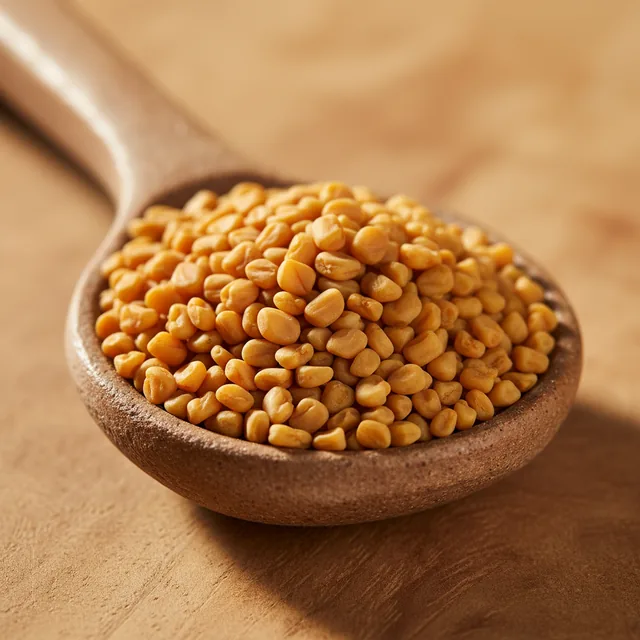
Fenugreek is a familiar kitchen herb and spice with a strong, slightly bitter taste. Its seeds and leaves are often used in Indian cooking in small amounts for flavor and aroma.
मेथिका तिक्तोष्णा कफवातहराणि च
methikā tiktauṣṇā kaphavātaharāṇi ca
Traditional context
Food and traditional-herb contexts are kept distinct.
Traditional description
Evidence boundary
Evidence for promoted clinical uses is not strong enough for Kriyasya to make treatment recommendations.
What varies. Evidence and safety can vary by species identity, plant part, preparation, product quality, exposure, population, medicines and health conditions.
How to read this
Read this as cultural and traditional context — not as a recommendation to take anything. For personal use, consult a qualified practitioner.
Comprehensive Monograph & Research
Fenugreek: The Versatile Kitchen Herb
Fenugreek, known as Methika in Sanskrit, is a staple in many Indian kitchens. Its seeds and leaves are prized for their distinct flavor and aroma, often used in small amounts to enhance dishes. In Ayurveda, fenugreek is recognized for its warming properties and its ability to balance Vata and Kapha doshas. The seeds have a slightly bitter and astringent taste, which can aid in digestion and support metabolism. Fenugreek is often incorporated into curries, dals, and even teas. Its warming nature makes it particularly beneficial in colder climates or seasons, helping to stimulate digestion and circulation. Whether used as a spice or a leafy green, fenugreek's versatility and health benefits make it a valuable addition to any diet.
Incorporate fenugreek seeds into your cooking by adding them to curries, soups, and stews for a flavor boost. You can also soak the seeds overnight and consume them in the morning for digestive support. Fenugreek leaves can be used fresh in salads or cooked in dishes like parathas and sabzis.
मेथी: रसोई की बहुउपयोगी जड़ी-बूटी
मेथी, जिसे संस्कृत में मेथिका कहा जाता है, भारतीय रसोई में एक आम जड़ी-बूटी है। इसके बीज और पत्तियाँ अपने विशेष स्वाद और सुगंध के लिए प्रसिद्ध हैं, और अक्सर व्यंजनों में स्वाद बढ़ाने के लिए थोड़ी मात्रा में उपयोग की जाती हैं। आयुर्वेद में, मेथी को इसकी गर्म प्रकृति और वात और कफ दोष को संतुलित करने की क्षमता के लिए जाना जाता है। इसके बीजों का स्वाद थोड़ा कड़वा और कसैला होता है, जो पाचन में सहायक होता है और मेटाबॉलिज्म को समर्थन देता है। मेथी को अक्सर करी, दाल और यहाँ तक कि चाय में भी शामिल किया जाता है। इसकी गर्म प्रकृति इसे ठंडे मौसम या जलवायु में विशेष रूप से लाभकारी बनाती है, जिससे पाचन और रक्त संचार को उत्तेजित करने में मदद मिलती है। चाहे इसे मसाले के रूप में या हरी पत्तियों के रूप में उपयोग किया जाए, मेथी की बहुउपयोगिता और स्वास्थ्य लाभ इसे किसी भी आहार में एक मूल्यवान जोड़ बनाते हैं।
मेथी के बीजों को अपने भोजन में शामिल करने के लिए उन्हें करी, सूप और स्ट्यू में स्वाद बढ़ाने के लिए डालें। आप बीजों को रात भर भिगोकर सुबह पाचन के लिए सेवन कर सकते हैं। मेथी की पत्तियों को ताज़ा सलाद में या पराठे और सब्जियों जैसे व्यंजनों में पकाकर उपयोग कर सकते हैं।
Safety context
This is educational information only. No dosage is given and no health outcome is claimed.
If pregnant or breastfeeding, do not self-use herbs; consult a qualified professional first.
Herbs can interact with medication. Speak with a professional before use if you take any medicine.
Current NIH guidance distinguishes food amounts from larger amounts and identifies pregnancy, allergy, blood-sugar and medicine-interaction concerns for non-food exposure.
Should not self-use: Pregnant or breastfeeding people; Anyone on medication; Anyone with a medical condition
Consult: A qualified Ayurveda practitioner or healthcare professional
No dosage, preparation strength or symptom-to-herb recommendation is given here.