

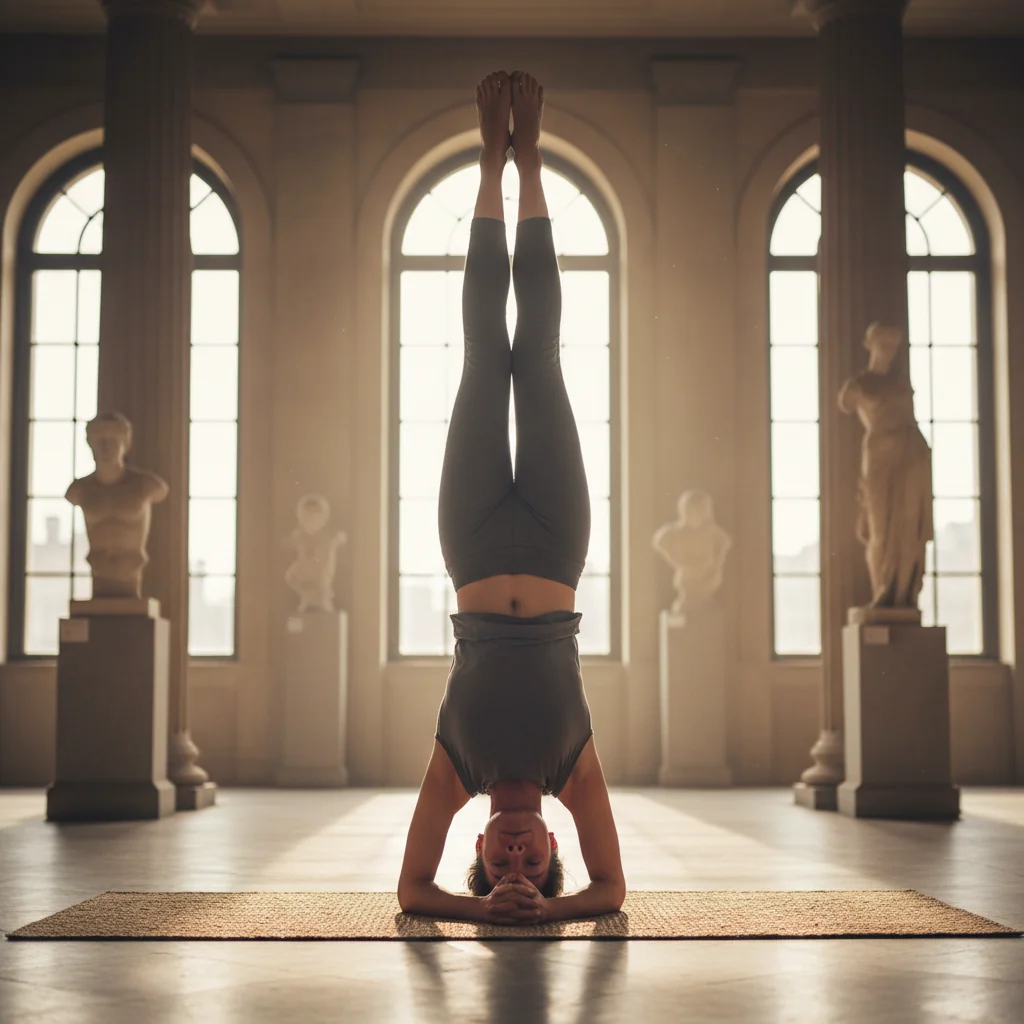
Yoga is fundamentally an embodied union of breath, somatic motion, and conscious awareness. However, practicing in complete clinical silence can allow internal mental chatter to derail physical alignment, while mainstream pop music fragments attention with lyrical distraction and erratic percussive beats. In yogic sound technology, music is structured to mirror the energetic trajectory of a sadhanabeginning with grounding Earth elements (Prithvi), accelerating into heat-building breath-linked Vinyasa flows (Agni), and resolving into the deep ethereal absorption of Savasana (Akasha). The Kriyasya Yoga & Movement Sound Studio curates acoustic journeys specifically designed to optimize somatic alignment, deepen pranic flow, and integrate restorative rest.
The Energetic Arch of Yogic Sound Architecture
In classical Hatha and Vinyasa traditions, an authentic session follows a precise energetic curve. Soundtracks lacking this biological progression either over-stimulate practitioners during restorative phases or fail to provide rhythmic tempo during strenuous standing postures. By aligning musical tempo (BPM) and harmonic density with physiological demand, sound becomes an extension of the breath.
Three-Phase Yogic Movement Sound Architecture
| Practice Phase | Tempo & Instrument Archetype | Physiological Objective |
|---|---|---|
| Centering & Warm-Up | 5065 BPM; Tanpura drone, Bansuri flute | Synchronizes breath with movement; awakens joint lubrication and grounded presence. |
| Dynamic Flow (Vinyasa) | 7595 BPM; Gentle acoustic percussion, santoor | Maintains steady cardiovascular pacing without spiking adrenal distress. |
| Savasana & Integration | Zero-beat ambient drones; singing bowls, wind chimes | Activates parasympathetic rest-and-digest; integrates somatic benefits. |
Guidelines for Sound-Infused Asana Practice
- Instrumental Purity Over Lyrics: Choose instrumental compositions. Human speech and lyrics immediately trigger linguistic processing in Broca’s area, pulling awareness out of the somatic body.
- Breath Dominance: The sound of your own Ujjayi breath must always remain audible over the ambient soundscape. If the music drowns out your breath, lower the volume.
- Savasana Transition: Allow music to gradually dissolve into near-silence during the final 5 minutes of Savasana to support pure meditation.
Frequently Asked Questions
Should music with lyrics be played during an authentic yoga class?
In traditional yoga philosophy, sensory internalization (Pratyahara) is central. Songs with modern lyrics engage intellectual analysis and linguistic processing, which distracts from inner somatic and pranic awareness.
How does ambient music assist in deep Savasana relaxation?
Gentle harmonic drones prevent sudden room noises from startling the body, easing the transition into restorative parasympathetic relaxation where physiological recovery occurs.
Content published on Kriyasya Pulse represents editorial and educational insights uniting traditional wisdom with contemporary research. Readers are encouraged to apply discernment and seek qualified guidance where appropriate.