
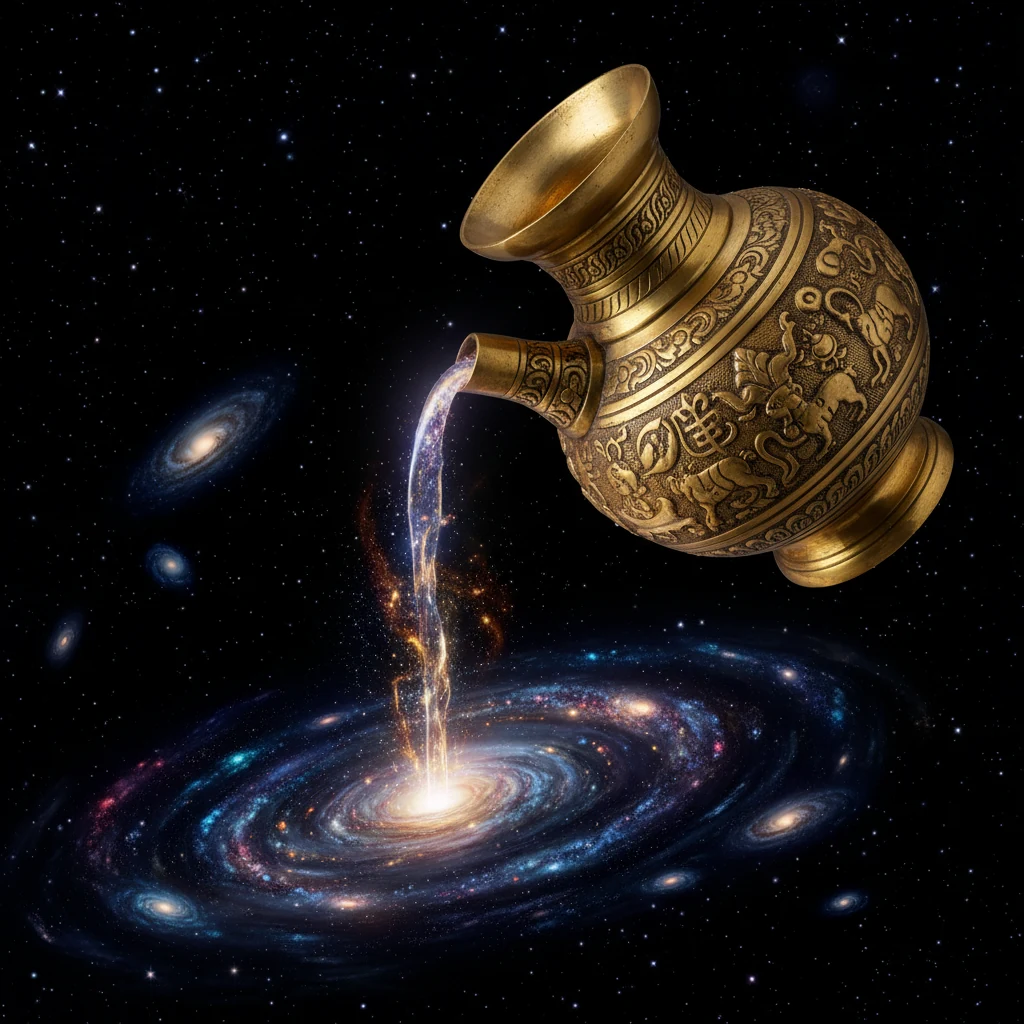
The subtle tremor in the fingertips, the sudden chill that creeps up the spine – these are not mere sensations, but potent signals from the body’s vast somatic network, intricately linked to the planet’s diurnal pulse. Modern science is only beginning to map the neurochemical cascades triggered by these somatic cues, yet the wisdom of Ayurveda has long understood their profound influence on consciousness and well-being, particularly through the lens of *kala* (time) and *sharira* (body).
Key Takeaways:
- Ayurveda’s concept of *Ritu Sandhi* (transition periods) mirrors modern chronobiology’s understanding of circadian disruption.
- Somatic receptors, particularly mechanoreceptors and thermoreceptors, are critical interfaces for chronobiological signaling.
- The gut-brain axis, a focus of modern research, is implicitly addressed in Ayurveda through dietary principles tied to *dosha* and time of day.
- Neurochemical regulation, including serotonin and melatonin pathways, is influenced by light exposure and gut microbiome activity, aligning with Ayurvedic daily routines (*Dinacharya*).
1000+
Years of Wisdom
Ancient Ayurvedic texts detail chronobiological principles.
10^12
Gut Microbiome Cells
Influencing neurochemistry via the gut-brain axis.
24
Hour Cycles
Central to both Ayurvedic *Dinacharya* and modern chronobiology.
The Somatic-Circadian Nexus
The body’s internal clock, governed by the suprachiasmatic nucleus (SCN) in the hypothalamus, orchestrates a symphony of physiological processes over a 24-hour cycle. This rhythm is profoundly influenced by external cues, chief among them light, but also temperature and social interaction. Ayurveda, in texts like the *Charaka Samhita*, emphasizes the importance of aligning daily activities with natural temporal flows, a concept embodied in *Dinacharya* (daily routine). The *Sushruta Samhita* further elaborates on the influence of seasons (*Ritu*) on physiological states, highlighting the body’s inherent sensitivity to temporal shifts.
Modern neuroscience reveals that somatic receptors—nerve endings in the skin, muscles, and organs—act as crucial conduits for these chronobiological signals. Thermoreceptors, for instance, detect ambient temperature, feeding information to the SCN and influencing sleep-wake cycles. Mechanoreceptors, responding to touch and pressure, can modulate autonomic nervous system activity, impacting heart rate variability and stress responses, areas implicitly addressed by Ayurvedic practices like *Abhyanga* (self-massage).
Neurochemical Cascades and Ayurvedic Principles
The alignment of somatic input with circadian timing directly influences neurochemical release. Melatonin, the ‘sleep hormone,’ is primarily regulated by light-dark cycles, with its production peaking in darkness. Ayurveda’s emphasis on early rising and retiring aligns with optimizing this natural melatonin rhythm. Conversely, exposure to light, especially blue light, in the evening can suppress melatonin, disrupting sleep architecture, a phenomenon modern sleep science has extensively documented.
Furthermore, the gut-brain axis represents a significant area of convergence. The gut microbiome produces numerous neurotransmitters and metabolites that influence mood, cognition, and immune function. Ayurvedic dietary recommendations, which often prescribe specific foods based on *dosha* (Vata, Pitta, Kapha) and the time of day, implicitly support a healthy gut microbiome. For example, lighter, easily digestible foods are recommended in the evening for Kapha types, potentially reducing digestive burden and supporting nocturnal gut rest and repair, which in turn can positively influence neurotransmitter synthesis and signaling.
Chronodisruption and Somatic Imbalance
When somatic inputs are misaligned with circadian rhythms—due to shift work, excessive artificial light exposure, or irregular schedules—chronodisruption occurs. This can manifest as impaired cognitive function, mood disturbances, and increased susceptibility to illness. Ayurveda describes similar states of imbalance, often linked to the vitiation of *doshas*. For instance, a Vata imbalance, characterized by irregularity and dryness, can be exacerbated by erratic sleep patterns and irregular eating, leading to anxiety and insomnia. This mirrors the neurobiological consequences of circadian disruption, including dysregulation of the hypothalamic-pituitary-adrenal (HPA) axis and altered neurotransmitter levels.
The concept of *Ritu Sandhi*, the transitional periods between seasons, is particularly relevant. Ayurveda advises careful attention to diet and lifestyle during these times to prevent *dosha* aggravation. Modern chronobiology recognizes that these transition periods can be times of increased vulnerability to circadian disruption due to subtle shifts in light and temperature, impacting hormonal balance and immune readiness.
Protocol: Harmonizing Somatic & Circadian Rhythms
- Align Sleep-Wake Cycles: Adhere to consistent sleep and wake times, even on weekends, to support the SCN’s natural rhythm. (Ref: *Charaka Samhita Sutrasthana* 7.74-76 on *Dinacharya*).
- Optimize Light Exposure: Maximize bright light exposure in the morning and minimize blue light exposure in the evening. (Ref: Modern research on melanopsin signaling and circadian entrainment).
- Mindful Somatic Engagement: Incorporate practices like *Abhyanga* (self-massage) or gentle stretching to enhance interoceptive awareness and regulate the autonomic nervous system. (Ref: *Gheranda Samhita* 1.41-43 on *Abhyanga*).
- Time-Sensitive Nutrition: Consume meals at regular intervals, favoring lighter, easily digestible foods in the evening. Consider Ayurvedic dietary principles based on *dosha* and time of day. (Ref: *Charaka Samhita Sutrasthana* 4.10-12 on *Ahara Vidhi Visheshayatana*).
- Seasonal Adaptation: Pay closer attention to diet and routine during seasonal transitions (*Ritu Sandhi*) to prevent *dosha* imbalance. (Ref: *Charaka Samhita Sutrasthana* 6.19-21 on *Ritu Charya*).
Citations:
- *Charaka Samhita Sutrasthana* (Chapters 4, 6, 7).
- *Sushruta Samhita* (Chapters on *Ritu Charya*).
- *Gheranda Samhita* (Chapter 1).
- Buysse, D. J., et al. (1989). The Pittsburgh Sleep Quality Index: a new instrument for psychiatric practice and research. *Psychiatry Research*, 28(2), 193-213.
- Czeisler, C. A., et al. (1986). Bright light resets the human circadian pacemaker independent of the timing of the sleep-wake cycle. *Science*, 233(4764), 667-671.
- Cryan, J. F., & Dinan, T. G. (2012). Mind-altering microorganisms: the impact of the gut microbiota on brain and behaviour. *Nature Reviews Neuroscience*, 13(10), 701-712.
The Ayurvedic concepts, dietary principles, herbal information, and somatic wellness protocols published on Kriyasya are for general educational awareness only. They do not constitute formal medical diagnosis, treatment, or clinical prescription. Always consult a licensed Ayurvedic physician (Vaidya) or qualified healthcare professional before beginning any new herbal regimen or lifestyle therapy.