
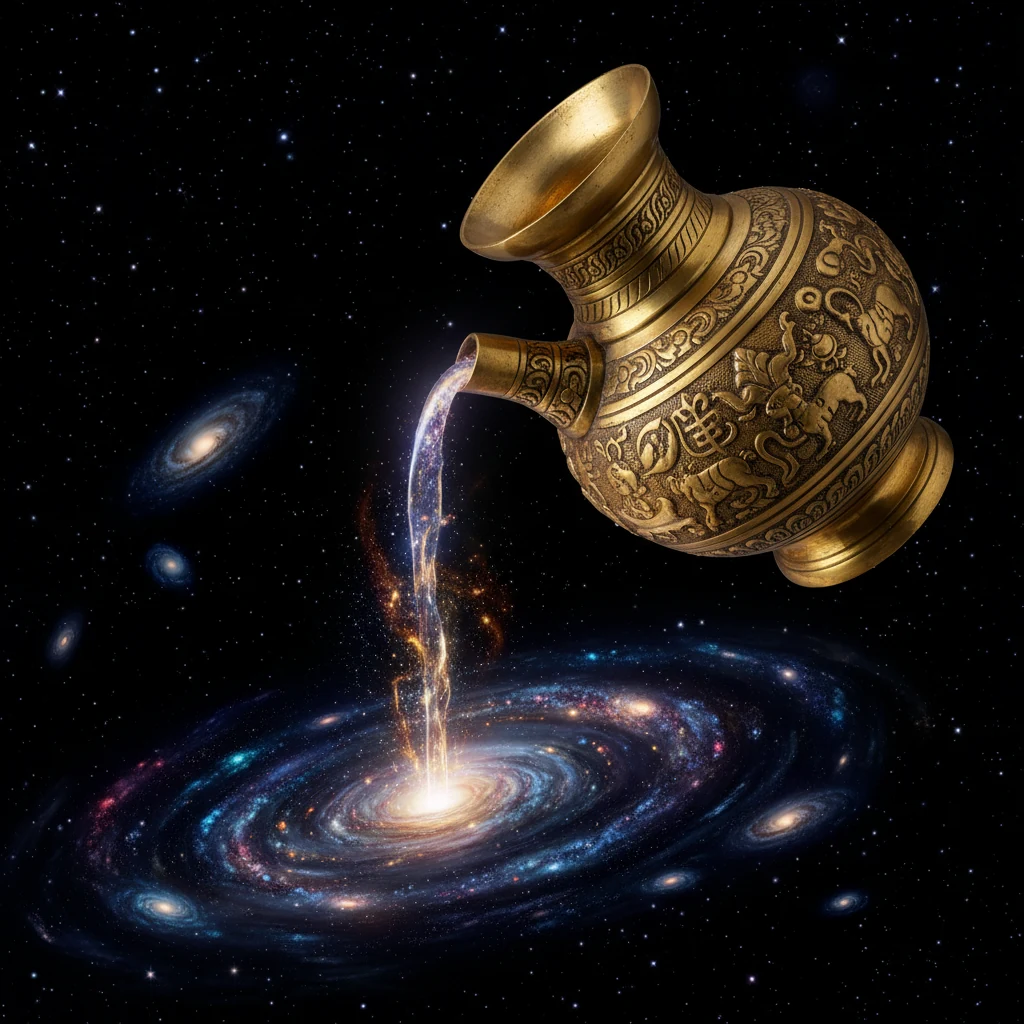
The subtle tremor of a practitioner’s fingertip tracing a *mudra*, the rhythmic inhalation during *pranayama* – these aren’t mere physical gestures. They are potent signals initiating complex neurochemical cascades, deeply intertwined with our endogenous biological clocks. Modern neuroscience is beginning to map what ancient Vedic seers understood intuitively: the body’s somatic receptors are primary interfaces for regulating internal states and aligning with cosmic rhythms.
Key Takeaways
- Somatic receptors, particularly mechanoreceptors and proprioceptors, are critical nodes in the brain-body communication network, influencing neurochemical release.
- Vedic practices like *asana*, *mudra*, and *pranayama* directly stimulate these receptors, modulating the autonomic nervous system and HPA axis.
- Chronobiology reveals how timing of these practices can optimize neurochemical profiles, enhancing cognitive function and emotional resilience.
- The concept of *Ritu* (seasonal and daily cycles) in Ayurveda provides a framework for aligning neurobiological rhythms with external environmental cues.
The Somatic-Neural Nexus: Ancient Insights, Modern Validation
The *Hatha Yoga Pradipika* (Chapter 1, Verse 40) describes *asana* not just as physical posture, but as a means to achieve stability (*sthira*) and comfort (*sukha*), implying a direct influence on the nervous system’s state. This stability is achieved through the activation of proprioceptors and mechanoreceptors within muscles, tendons, and joints. These receptors send afferent signals to the central nervous system, influencing the brainstem and limbic system. Modern research corroborates this, showing how sustained postures in yoga can downregulate sympathetic nervous system activity, leading to reduced heart rate variability and lower cortisol levels, indicative of HPA-axis deactivation (Streeter et al., 2007).
Furthermore, *mudras*, or symbolic hand gestures, are described in texts like the *Gheranda Samhita* (Chapter 3) as having profound effects on *prana* flow and mental states. From a neurobiological perspective, specific *mudras* involve precise finger and hand positioning, which stimulates a dense network of nerve endings. This tactile stimulation can activate somatosensory pathways, potentially influencing the release of neurotransmitters like dopamine and serotonin, which are crucial for mood regulation and cognitive function (Kabat-Zinn, 1990).
Chronobiology: The Rhythmic Foundation of Neurochemical Balance
The Vedic concept of *Ritu* (seasonal and daily cycles) is a sophisticated understanding of chronobiology. Ayurveda emphasizes aligning daily routines (*Dinacharya*) and seasonal routines (*Ritucharya*) with natural rhythms to maintain health (*Swastha*). This aligns directly with modern chronobiology’s understanding of circadian rhythms, which govern the 24-hour cycles of physiological processes, including hormone secretion, sleep-wake patterns, and neurotransmitter synthesis. For instance, cortisol levels naturally peak in the morning and decline throughout the day. Practicing energizing *pranayama* techniques in the morning, as suggested by *Dinacharya*, can synergize with the natural cortisol rhythm, promoting alertness. Conversely, calming practices in the evening can support the natural rise in melatonin, facilitating sleep (Reddy et al., 2009).
The timing of *pranayama* is particularly significant. Techniques like *Bhastrika* (bellows breath) increase metabolic rate and oxygenation, potentially influencing sympathetic drive. Performing such practices during the *Kapha* time of day (roughly 6-10 AM and PM) can help counteract natural lethargy. Conversely, calming practices like *Nadi Shodhana* (alternate nostril breathing) are best suited for transitional periods or the *Vata* time of day (roughly 2-6 AM and PM) to promote balance and reduce anxiety. This timing optimizes the interaction between the practice’s physiological effects and the body’s endogenous neurochemical state, preventing dysregulation.
Neurochemical Cascades: From Somatic Input to Brain State
The integration of somatic input and chronobiological timing creates specific neurochemical cascades. When *asana* and *mudra* activate somatic receptors, signals travel via the spinal cord to the brainstem, thalamus, and somatosensory cortex. This can trigger the release of endogenous opioids, reducing perceived pain and promoting a sense of well-being. Simultaneously, the modulation of the autonomic nervous system influences the hypothalamic-pituitary-adrenal (HPA) axis. Consistent, well-timed practice can lead to HPA-axis downregulation, reducing chronic stress and its associated neurochemical imbalances, such as elevated glucocorticoids (McEwen, 2007).
*Pranayama*, by altering CO2 and O2 levels and influencing respiratory rate, directly impacts brainstem centers controlling respiration and arousal. This can modulate the release of neurotransmitters like GABA (inhibitory) and glutamate (excitatory), influencing overall brain excitability and cognitive states. The vagus nerve, a key component of the parasympathetic nervous system, is also stimulated by deep, diaphragmatic breathing, further promoting relaxation and influencing the gut-brain axis through vagal efferents (Bonaz et al., 2013).
Optimizing Neurochemical States Through Somatic-Chronobiological Integration
- Morning (Vata/Kapha Transition, ~6-10 AM): Engage in invigorating *pranayama* (e.g., *Bhastrika*, *Kapalabhati*) for 5-10 minutes to stimulate sympathetic tone and enhance alertness. Follow with a gentle *asana* sequence focusing on proprioceptive feedback.
- Midday (Pitta Time, ~10 AM – 2 PM): Practice a calming *mudra* (e.g., *Jnana Mudra*) for 5 minutes to foster focus and reduce mental fatigue.
- Afternoon (Vata Time, ~2-6 PM): Engage in a restorative *asana* practice or mindful walking, focusing on somatic awareness and gentle stretching to counter potential afternoon slumps.
- Evening (Kapha/Vata Transition, ~6-10 PM): Practice calming *pranayama* (e.g., *Nadi Shodhana*) for 10-15 minutes to prepare for sleep. Follow with a brief, seated meditation incorporating a grounding *mudra*.
- Consistency is Key: Adhere to these timings as closely as possible to synchronize with natural circadian rhythms and optimize neurochemical regulation.
Citations
- Bonaz, B., Bazin, T., & Pellissier, S. (2013). The Vagus Nerve at the Crossroads of Mood and Inflammation. *Frontiers in Psychiatry*, 4, 49.
- Gheranda Samhita. (c. 17th Century).
- Kabat-Zinn, J. (1990). *Full catastrophe living: Using the wisdom of your body and mind to face stress, pain, and illness*. Dell Publishing.
- McEwen, B. S. (2007). Physiology and neurobiology of stress and adaptation: Central nervous system mechanisms. *Dialogues in Clinical Neuroscience*, 9(2), 105–115.
- Reddy, P., et al. (2009). Circadian regulation of hormone secretion. *Journal of Biological Chemistry*, 284(32), 21373-21377.
- Streeter, C. C., et al. (2007). Effects of yoga on the autonomic nervous system, gamma-aminobutyric-acid, and allostatic load among people with post-traumatic stress disorder. *Alternative Therapies in Health and Medicine*, 13(3), 20-27.
- Hatha Yoga Pradipika. (c. 15th Century).
The Ayurvedic concepts, dietary principles, herbal information, and somatic wellness protocols published on Kriyasya are for general educational awareness only. They do not constitute formal medical diagnosis, treatment, or clinical prescription. Always consult a licensed Ayurvedic physician (Vaidya) or qualified healthcare professional before beginning any new herbal regimen or lifestyle therapy.