

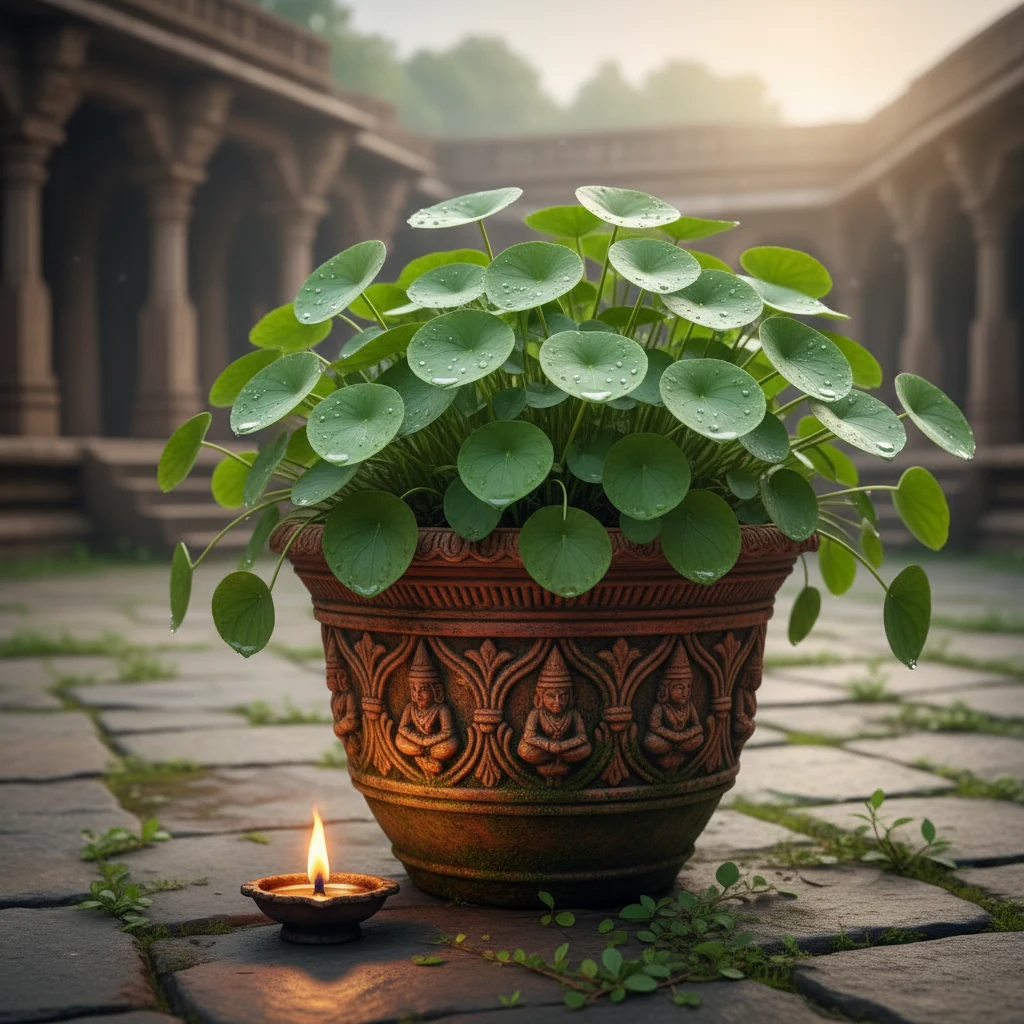
In Vedic spiritual science, Tulsi Plant Worship Daily Water & Sandhya Deepam Rules serves as a sacred bridge between individual human consciousness and cosmic grace. Scriptural practice demonstrates that chanting sacred mantras, reciting daily stotrams, and adhering to time-tested ritual protocols awakens profound inner peace, resolves karmic obstructions, and purifies life energies.
Authentic Sanskrit Shloka: Phonetic Precision and Deep Spiritual Symbolism
Tulsi generates abundant oxygen for 20 hours daily and releases nascent ozone that destroys airborne toxins. Honoring Tulsi at dusk anchors divine feminine grace and marital longevity in the home. Rooted in traditional scriptures such as Padma Purana Srishti Khanda Tulsi Mahatmya, this sacred practice aligns mind, body, and breath with benevolent universal vibrations.
| Spiritual Dimension | Classical Principle | Practical Daily Impact |
|---|---|---|
| Primary Deity & Energy | Vrinda Devi (Maa Tulsi), eternal consort of Lord Shaligram (Vishnu), supreme plant goddess of purity and longevity | Invokes divine protection, inner courage, and spiritual radiance. |
| Vedic Metre & Shloka | Padma Purana Srishti Khanda Tulsi Mahatmya | Phonetic resonance clears energetic blockages across chakras. |
| Ideal Timings (Muhurta) | Water offering in morning after bath; pure cow ghee lamp every evening during Sandhya Kaal (twilight) | Maximizes sattvic receptivity and mental concentration. |
| Sacred Samagri & Offerings | Copper lota water, raw milk mixed in water on Thursdays, red chunri, sindoor, and pure cow ghee deepam | Purifies the altar atmosphere and delights divine presences. |
| Prohibitions & Restrictions | Offering water or touching Tulsi on Sundays, Ekadashi, and lunar/solar eclipses; plucking leaves after sunset | Shields the practitioner from ritual dilution and negative energy. |
Authentic Vedic Scripture and Sacred Shloka
Classical texts emphasize the importance of exact Sanskrit pronunciation and reverent understanding. From Padma Purana Srishti Khanda Tulsi Mahatmya, the foundational verse states:
॥ तुलसी श्रीर्महालक्ष्मीर्विद्याविद्या यशस्विनी। धर्म्या धर्मानना देवी देवीदेवमनःप्रिया॥ ॥
Translation: “Tulsi is Sri, Mahalakshmi, the embodiment of wisdom, fame, righteousness, and the beloved of all gods—salutations to Devi Tulsi.”
Step-by-Step Daily Practice and Practical Ritual Rules
Plant Tulsi in the East or Northeast of your courtyard or balcony, offer water every morning, light a cow ghee lamp at dusk, and circumambulate (Parikrama) 3 times.
- Preparation & Purity: Take a fresh bath, wear clean unstitched or comfortable cotton clothes, and light a pure cow ghee or sesame oil lamp facing East or North.
- Sankalpa (Intention): Take a few drops of water in your right palm, state your name, gotra, and purpose with heartfelt devotion, and release the water onto the plate.
- Sacred Chanting: Recite the sacred verses with steady, rhythmic breathing without rushing or slurring words.
- Aarti & Samarpan: Conclude by offering flowers, fragrant dhoop, and sincere gratitude, seeking forgiveness for any unintentional omissions.
Classical Phala Shruti and Verified Life Merits
Dedicated adherence to this sacred practice bestows tangible positive transformations: Permanent eradication of Vastu doshas in courtyard, relief from recurring respiratory illnesses, happy marital bonds, and peace.
Frequently Asked Questions on Sacred Practice
Why is offering water or plucking leaves strictly forbidden on Sundays and Ekadashi?
Goddess Tulsi observes a sacred fast for Lord Vishnu on Sundays and Ekadashi; offering water interrupts Her meditation, causing spiritual demerit.
Why should one never pluck Tulsi leaves using fingernails?
Scriptures state that pinching Tulsi with sharp fingernails wounds Her physical form; leaves should be plucked gently with soft fingertips with a prayer of forgiveness.
What should be done when a Tulsi plant naturally dries up?
Never throw a dried Tulsi plant into the garbage; respectfully immerse it in a flowing river or bury the sacred root beneath garden soil with reverence.
Content published on Kriyasya Pulse represents editorial and educational insights uniting traditional wisdom with contemporary research. Readers are encouraged to apply discernment and seek qualified guidance where appropriate.