

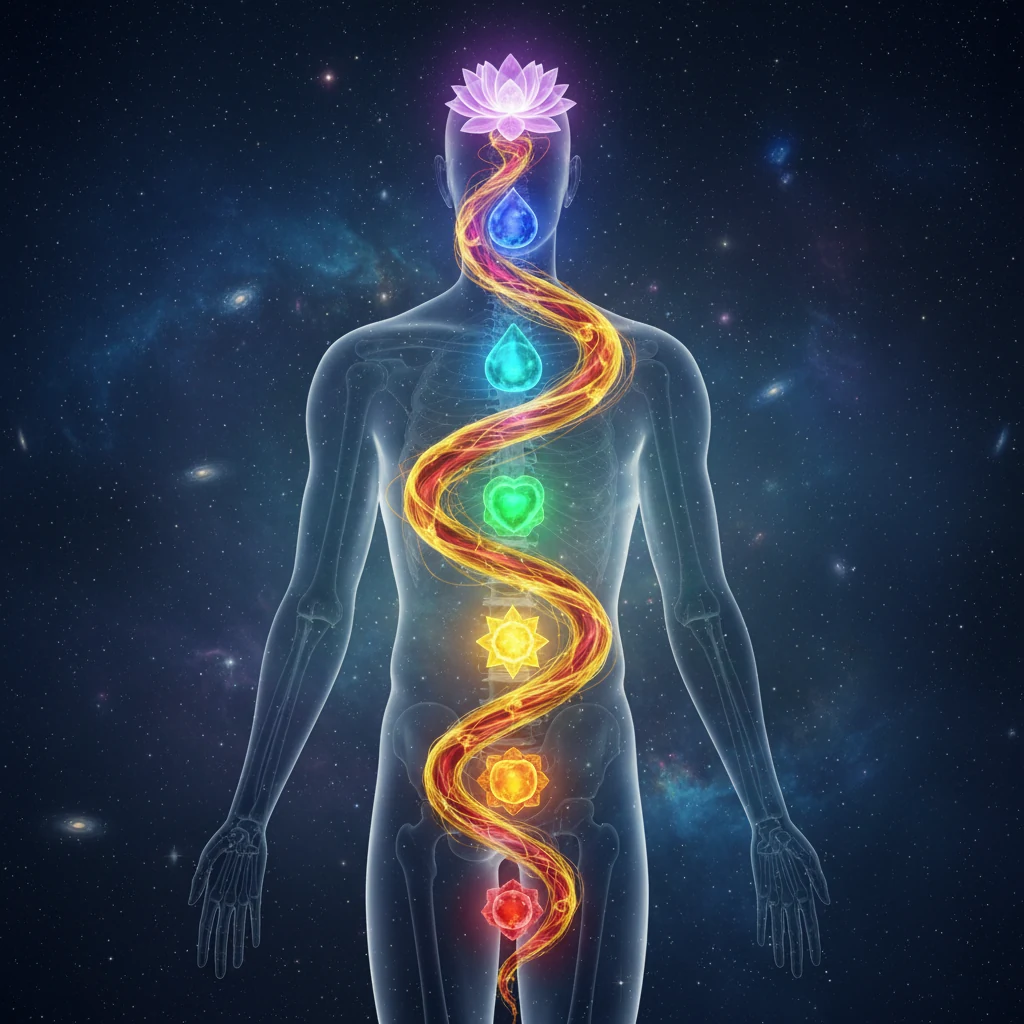
When sudden panic, anger, or sensory agitation hits, unstructured breathing can easily degrade into hyperventilation, exacerbating dizziness and cognitive disorientation. Grounded in classical yogic breath control (Sahita Kumbhaka), respiratory physiology, and heart-rate variability biofeedback, Triangle Breathing divides each breath cycle into three perfectly equal equilateral sides: Inhale, Retain (Hold), and Exhale. The Triangle Breathing Pacer Tool provides an intuitive, geometric visual guide to anchor your respiratory rhythm, balancing carbon dioxide levels and restoring calm.
⚖️ Wellness & Legal Safety Disclaimer
This digital self-help exercise and informational guide are intended solely for educational, psychoeducational, and general personal wellness purposes. It does not constitute medical advice, clinical psychological assessment, psychiatric treatment, or a formal therapeutic relationship. Wellbeing exercises affect individuals differently; discontinue any somatic or cognitive practice that elicits distress and consult a licensed healthcare professional.
Emergency Crisis Resources: If you are experiencing acute psychological distress, panic crisis, or thoughts of self-harm, please reach out immediately to qualified emergency support services: Tele-MANAS (14416 / 1800-891-4416), KIRAN Mental Health Support (1800-599-0019, 24×7), or National Emergency Services (112 in India, 988 in the US/Canada).
The Physiological Mechanics of Triangle Breathing
Unlike box breathing which includes a breath retention after exhalation (which can trigger air hunger in severe anxiety), Triangle Breathing retains the breath only with full lungs. This gentle retention optimizes oxygen-carbon dioxide exchange in the alveoli, increases vagal nerve stimulation, and halts hyperventilation instantly.
The 3 Sides of the Triangle (4-4-4 Ratio)
- Side 1 (Inhale – 4 Counts): Inhale smoothly through the nose, expanding the lower abdomen and ribcage as the visual line climbs upward.
- Side 2 (Hold – 4 Counts): Hold the breath gently with an open throat, resting in relaxed stillness as the line moves across the top.
- Side 3 (Exhale – 4 Counts): Exhale slowly through pursed lips, emptying the lungs completely as the line descends to complete the triangle.
Content published on Kriyasya Pulse represents editorial and educational insights uniting traditional wisdom with contemporary research. Readers are encouraged to apply discernment and seek qualified guidance where appropriate.