

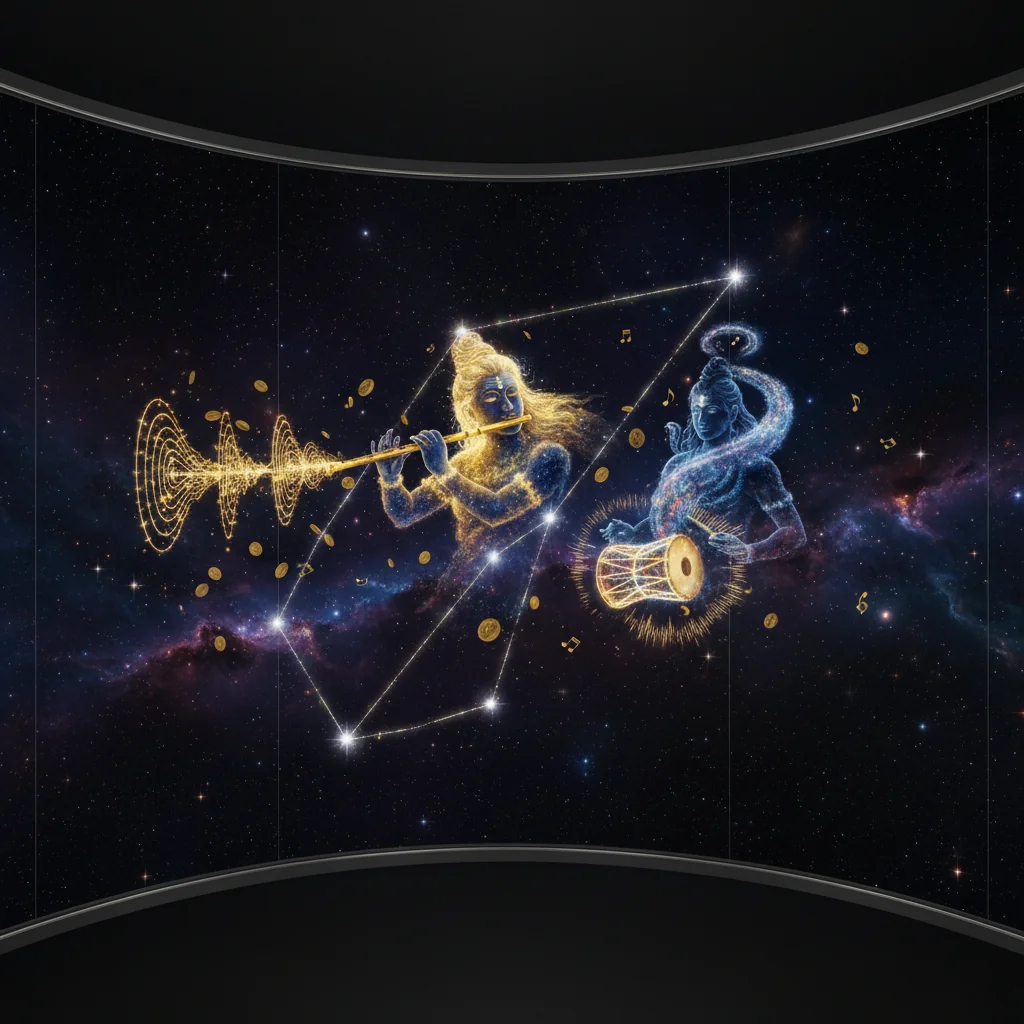
Lunar Subconscious Sync: Mental Empathy & Deep Emotional Communion
Featured Astrological Overview: In classical Vedic synastry, Stree Deergha Porutham (Marital Longevity & Distance) evaluates critical subconscious harmonies through auspicious asterism distance (stree deergha porutham). Rooted in ancient South Indian and Parashari traditions, this assessment measures somatic chemistry, longevity, and psychological compatibility. By understanding exact cancellation sutras and applying non-gem Sattvic upayas, couples dissolve negative afflictions and establish enduring marital bliss.
“स्त्रीदीर्घे तु शुभं ज्ञेयं दूरत्वे स्नेहवर्धनम्। आयुष्यं च यशश्चैव दाम्पत्ये सर्वमङ्गलम्॥”
— Phaladeepika (Ch. 25, Sl. 14)
In authentic Vedic Synastry and Jyotish Shastra, the 27 Nakshatras form the lunar energetic grid through which all human consciousness, karmic debts, and emotional instincts manifest. When evaluating Stree Deergha Porutham (Marital Longevity & Distance), sages across Northern and Southern traditions examine the Ten Poruthams (Dasa Poruthams) to determine whether two souls can create a harmonious, fertile, and long-lasting domestic union. Understanding the exact mechanical interplay behind these lunar asterisms ensures that partners navigate differences with enlightened awareness.
Porutham Mechanics & Nakshatra Synchronization
Stree Deergha Porutham requires that the groom’s Nakshatra be distant from the bride’s Nakshatra—ideally more than 9 Nakshatras away, and exceptionally auspicious beyond 13 Nakshatras. This spatial separation in the lunar zodiac prevents psychic collision, allowing the husband to maintain natural chivalrous reverence and granting the bride lifelong security.
| Porutham Parameter | Classical Astrological Pillar | Diagnostic & Remedial Outcome |
|---|---|---|
| Porutham Domain | Auspicious Asterism Distance (Stree Deergha Porutham) | Core area of physical, psychological, or karmic integration |
| Classical Reference | Phaladeepika (Ch. 25, Sl. 14) | Authoritative Jyotish scripture defining this configuration |
| Cancellation Sutra | Compensated if Rashi Porutham or Yoni Porutham is exceptionally strong, or if Moon signs form a 5-9 or 3-11 angle. | Shastric exception neutralizing potential dosha friction |
| Prescribed Upaya | Respect personal space and hobbies within the marriage, avoid smothering possessiveness, and worship Sri Radha-Krishna. | Non-gem Sattvic therapies, Nakshatra sadhanas & mantra japa |
Navamsha (D9) Cross-Verification & Marital Durability
While the birth Moon’s Nakshatra governs initial emotional resonance, the Navamsha chart (D9) reveals how the marriage evolves after the initial romantic phase. Even when a technical blemish (such as Madhyama Rajju or Gana mismatch) exists in the birth Nakshatra, a harmonious cross-aspect between the D9 Ascendant lords or placement in Pushkara Navamsha completely dissolves the blemish, granting enduring marital peace and mutual devotion.
Sattvic Non-Gem Upayas & Sacred Domestic Harmony
To harmonize Nakshatra friction without expensive commercial amulets, classical scriptures prescribe sattvic remedies: chanting the Vedic mantra of the presiding Nakshatra deity, planting and caring for the sacred Nakshatra tree (Sthala Vriksha), lighting a pure cow ghee deepam during the couple’s Janma Nakshatra days, and practicing intentional compassionate communication during sensitive lunar transits.
Frequently Asked Questions Regarding Stree Deergha Porutham (Marital Longevity & Distance)
What is the mechanical logic behind Stree Deergha?
A wide distance between birth Nakshatras ensures distinct energetic fields, preventing psychic fatigue in marriage.
What benefits occur when the groom’s Nakshatra is beyond 13 asterisms?
Longevity of the matrimonial bond, deep mutual respect, and lifelong domestic prosperity.
How can couples without Stree Deergha maintain harmony?
By honoring each other’s independence and maintaining healthy outside friendships and intellectual pursuits.
The Ayurvedic concepts, dietary principles, herbal information, and somatic wellness protocols published on Kriyasya are for general educational awareness only. They do not constitute formal medical diagnosis, treatment, or clinical prescription. Always consult a licensed Ayurvedic physician (Vaidya) or qualified healthcare professional before beginning any new herbal regimen or lifestyle therapy.