

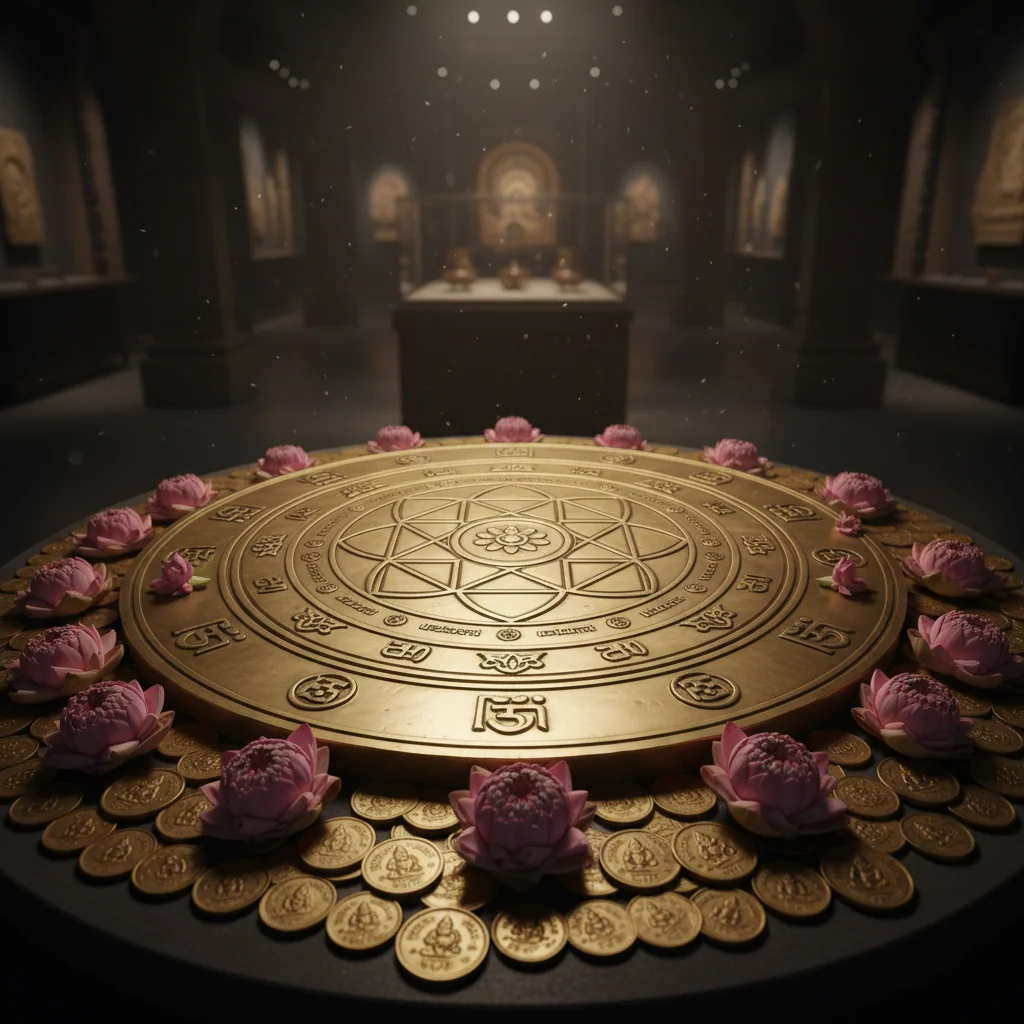
In Vedic spiritual science, Sri Suktam Rigvedic Chanting for Lakshmi Blessings serves as a sacred bridge between individual human consciousness and cosmic grace. Scriptural practice demonstrates that chanting sacred mantras, reciting daily stotrams, and adhering to time-tested ritual protocols awakens profound inner peace, resolves karmic obstructions, and purifies life energies.
Systematic Daily Practice: Step-by-Step Sankalpa, Nyasa, Japa, and Samarpan
Sri Suktam is the oldest Vedic invocation of abundance. Its sixteen rigorous Sanskrit stanzas attract benevolent solar-lunar frequencies, purifying both external finances and inner contentment. Rooted in traditional scriptures such as Rigveda Parishishta Khilani (16 Riks), this sacred practice aligns mind, body, and breath with benevolent universal vibrations.
| Spiritual Dimension | Classical Principle | Practical Daily Impact |
|---|---|---|
| Primary Deity & Energy | Goddess Mahalakshmi, primordial consort of Vishnu, source of grace, radiance, and cosmic abundance | Invokes divine protection, inner courage, and spiritual radiance. |
| Vedic Metre & Shloka | Rigveda Parishishta Khilani (16 Riks) | Phonetic resonance clears energetic blockages across chakras. |
| Ideal Timings (Muhurta) | Friday mornings or Shukla Paksha Purnima (Full Moon), especially during Diwali and Akshaya Tritiya | Maximizes sattvic receptivity and mental concentration. |
| Sacred Samagri & Offerings | Pure cow ghee havan or deepam, red lotus flowers, bilva fruit, pomegranate, and sweet milk kheer | Purifies the altar atmosphere and delights divine presences. |
| Prohibitions & Restrictions | Chanting in unhygienic environments, leaving footwear inside the prayer area, and greed-laden intention | Shields the practitioner from ritual dilution and negative energy. |
Authentic Vedic Scripture and Sacred Shloka
Classical texts emphasize the importance of exact Sanskrit pronunciation and reverent understanding. From Rigveda Parishishta Khilani (16 Riks), the foundational verse states:
॥ हिरण्यवर्णां हरिणीं सुवर्णरजतस्रजाम्। चन्द्रां हिरण्मयीं लक्ष्मीं जातवेदो म आवह॥ ॥
Translation: “O Agni (Jatavedas), invoke for me that Goddess Lakshmi, who shines with the hue of gold, radiant like a golden doe, adorned with garlands of gold and silver, luminous as the full moon.”
Step-by-Step Daily Practice and Practical Ritual Rules
Perform a simple daily recitation of all 16 verses before a consecrated Sri Yantra, or offer cow ghee oblations into a sacred fire on Friday.
- Preparation & Purity: Take a fresh bath, wear clean unstitched or comfortable cotton clothes, and light a pure cow ghee or sesame oil lamp facing East or North.
- Sankalpa (Intention): Take a few drops of water in your right palm, state your name, gotra, and purpose with heartfelt devotion, and release the water onto the plate.
- Sacred Chanting: Recite the sacred verses with steady, rhythmic breathing without rushing or slurring words.
- Aarti & Samarpan: Conclude by offering flowers, fragrant dhoop, and sincere gratitude, seeking forgiveness for any unintentional omissions.
Classical Phala Shruti and Verified Life Merits
Dedicated adherence to this sacred practice bestows tangible positive transformations: Banishment of poverty (Alakshmi), expansion of ancestral property, magnetic business prestige, and perpetual joy.
Frequently Asked Questions on Sacred Practice
Why is the Bilva tree specifically praised in the Sri Suktam as born from Lakshmi’s penance?
The sacred verse ‘Vanaspati-stava Vriksho-tha Bilva’ declares that the Bilva tree arose from Goddess Lakshmi’s intense austerities to destroy internal ignorance and external poverty.
What is the difference between reciting Sri Suktam versus simple Lakshmi mantras?
Sri Suktam is an ancient Vedic hymn with strict cosmic acoustic metre that balances spiritual evolution alongside material prosperity seamlessly.
Can offering kheer oblations into fire using Sri Suktam change one’s financial destiny?
Yes; offering 16 ghee and kheer ahutis with the 16 verses on Shukla Paksha Fridays dissolves severe generational financial stagnation.
Content published on Kriyasya Pulse represents editorial and educational insights uniting traditional wisdom with contemporary research. Readers are encouraged to apply discernment and seek qualified guidance where appropriate.