

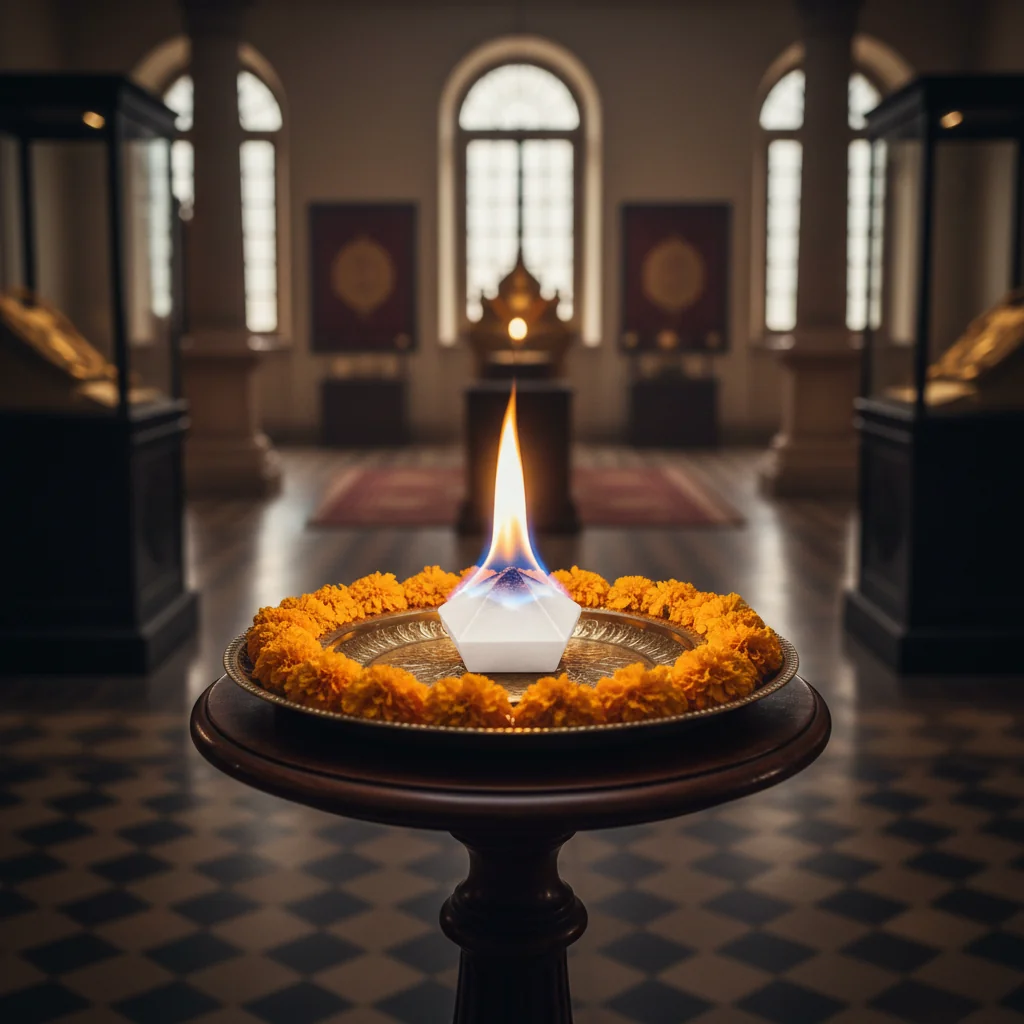
In Vedic spiritual science, Shanti Path Vedic Peace Invocations for Home Harmony serves as a sacred bridge between individual human consciousness and cosmic grace. Scriptural practice demonstrates that chanting sacred mantras, reciting daily stotrams, and adhering to time-tested ritual protocols awakens profound inner peace, resolves karmic obstructions, and purifies life energies.
Sacred Timing and Ritual Protocols: Muhurta, Direction, Asana, and Mala Rules
The Shanti Path is acoustic environmental psychotherapy. Chanting peace across the sky, waters, and flora lowers human autonomic heart rates, diffusing family tension and collective anxiety effortlessly. Rooted in traditional scriptures such as Yajurveda Mandala 36 Mantra 17 (Vedic Shanti Suktam), this sacred practice aligns mind, body, and breath with benevolent universal vibrations.
| Spiritual Dimension | Classical Principle | Practical Daily Impact |
|---|---|---|
| Primary Deity & Energy | Cosmic Elemental Harmony: Dyau (Sky), Antariksha (Space), Prithvi (Earth), Aapa (Water), Oshadhaya (Herbs), and Vanaspataya (Trees) | Invokes divine protection, inner courage, and spiritual radiance. |
| Vedic Metre & Shloka | Yajurveda Mandala 36 Mantra 17 (Vedic Shanti Suktam) | Phonetic resonance clears energetic blockages across chakras. |
| Ideal Timings (Muhurta) | Conclusion of daily morning or evening prayers, during family meetings, or whenever domestic discord arises | Maximizes sattvic receptivity and mental concentration. |
| Sacred Samagri & Offerings | Pure water sprinkled with mango leaf, lighting a pure cow ghee lamp, burning natural guggul dhoop, and offering flowers | Purifies the altar atmosphere and delights divine presences. |
| Prohibitions & Restrictions | Chanting with anger or frustration, shouting immediately after shanti path, and leaving prayer in bitterness | Shields the practitioner from ritual dilution and negative energy. |
Authentic Vedic Scripture and Sacred Shloka
Classical texts emphasize the importance of exact Sanskrit pronunciation and reverent understanding. From Yajurveda Mandala 36 Mantra 17 (Vedic Shanti Suktam), the foundational verse states:
॥ ॐ द्यौः शान्तिरन्तरिक्षं शान्तिः पृथिवी शान्तिरापः शान्तिरोषधयः शान्तिः। वनस्पतयः शान्तिर्विश्वेदेवाः शान्तिर्ब्रह्म शान्तिः सर्वं शान्तिः शान्तिरेव शान्तिः सा मा शान्तिरेधि॥ ॐ शान्तिः शान्तिः शान्तिः॥ ॥
Translation: “May peace radiate there in the sky as well as in the vast ethereal space everywhere; may peace reign all over this earth, in the waters, in medicinal herbs, and in the trees; may all celestial beings bring peace; may Brahman grant peace; may peace permeate everywhere—peace, and only peace; may that peace come to me. Om Peace, Peace, Peace.”
Step-by-Step Daily Practice and Practical Ritual Rules
Sit together with family at the conclusion of prayer, take a deep breath, chant the Yajurvedic verse together with closed eyes, and repeat ‘Om Shantih Shantih Shantih’.
- Preparation & Purity: Take a fresh bath, wear clean unstitched or comfortable cotton clothes, and light a pure cow ghee or sesame oil lamp facing East or North.
- Sankalpa (Intention): Take a few drops of water in your right palm, state your name, gotra, and purpose with heartfelt devotion, and release the water onto the plate.
- Sacred Chanting: Recite the sacred verses with steady, rhythmic breathing without rushing or slurring words.
- Aarti & Samarpan: Conclude by offering flowers, fragrant dhoop, and sincere gratitude, seeking forgiveness for any unintentional omissions.
Classical Phala Shruti and Verified Life Merits
Dedicated adherence to this sacred practice bestows tangible positive transformations: Instant resolution of domestic hostility, sound peaceful sleep for elders and children, emotional balance, and divine tranquility.
Frequently Asked Questions on Sacred Practice
Why is ‘Shanti’ repeated strictly three times at the conclusion of Vedic prayers?
The three repetitions address and pacify the three realms of suffering: Adhyatmika (self/body/mind), Adhibhautika (other living beings), and Adhidaivika (natural disasters and cosmic forces).
How does reciting the Shanti Path scientifically alter the domestic atmospheric energy?
The specific acoustic phonetics stimulate alpha brainwave frequencies in all listeners, triggering the parasympathetic nervous system to disarm defensive hostility.
Can Shanti Path be recited in business offices and corporate boardrooms?
Yes; reciting or playing this sacred Vedic invocation before contentious negotiations creates an atmosphere of mutual empathy and calm rational consensus.
Content published on Kriyasya Pulse represents editorial and educational insights uniting traditional wisdom with contemporary research. Readers are encouraged to apply discernment and seek qualified guidance where appropriate.