

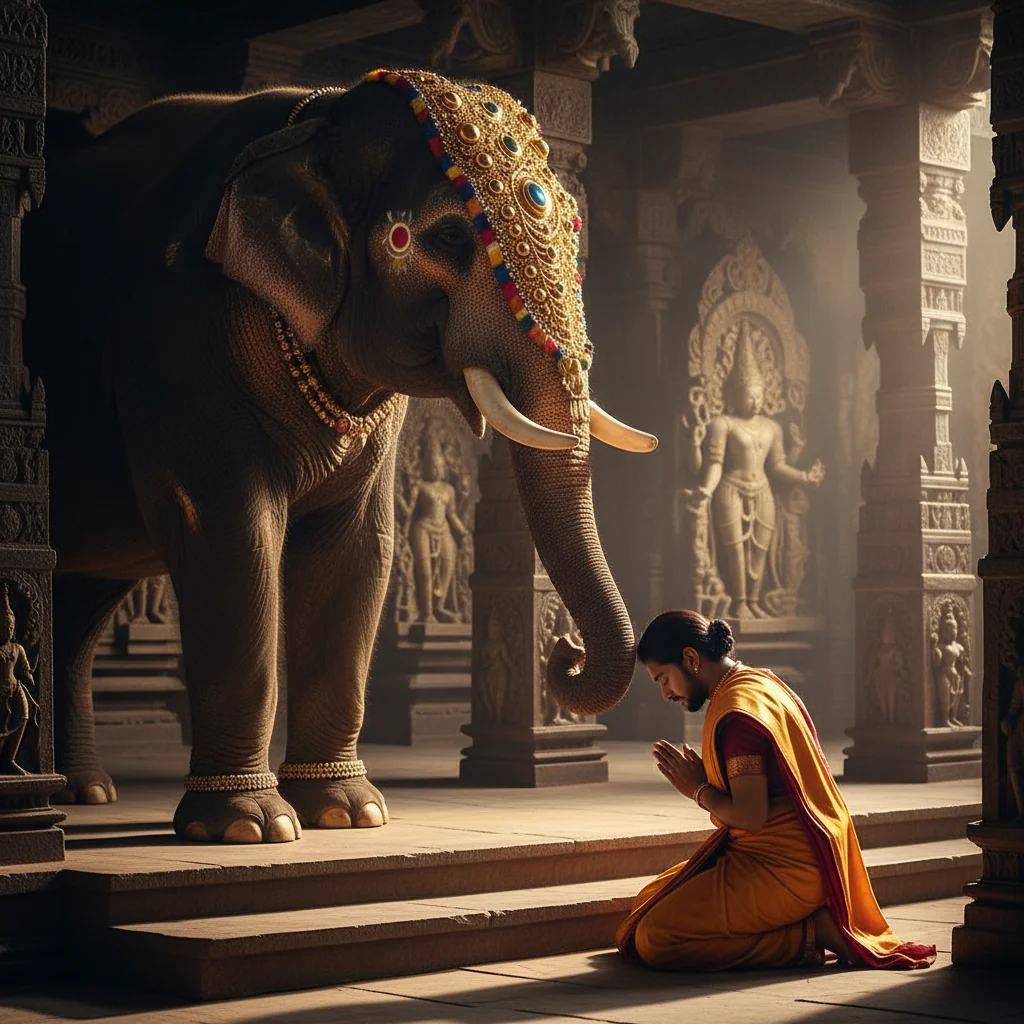
In Vedic spiritual science, Shani Chalisa & Shani Dev Saturday Puja Rituals serves as a sacred bridge between individual human consciousness and cosmic grace. Scriptural practice demonstrates that chanting sacred mantras, reciting daily stotrams, and adhering to time-tested ritual protocols awakens profound inner peace, resolves karmic obstructions, and purifies life energies.
Sacred Samagri and Upacharas: Traditional Offerings, Flowers, Incense, and Naivedya
Shani is the strict cosmic taskmaster refining human soul metal. Chanting Shani Chalisa with humility calms fear of karmic retribution and turns obstacles into enduring character strength. Rooted in traditional scriptures such as Skanda Purana Kashi Khanda Shani Mahatmya, this sacred practice aligns mind, body, and breath with benevolent universal vibrations.
| Spiritual Dimension | Classical Principle | Practical Daily Impact |
|---|---|---|
| Primary Deity & Energy | Lord Shani Dev (Suryaputra), divine dispenser of karma, justice, discipline, and perseverance | Invokes divine protection, inner courage, and spiritual radiance. |
| Vedic Metre & Shloka | Skanda Purana Kashi Khanda Shani Mahatmya | Phonetic resonance clears energetic blockages across chakras. |
| Ideal Timings (Muhurta) | Saturday evenings (Sandhya Kaal) after sunset, especially during Shani Amavasya or Shani Jayanti | Maximizes sattvic receptivity and mental concentration. |
| Sacred Samagri & Offerings | Mustard oil lamp placed under Peepal tree, black sesame seeds (Til), black urad dal, and iron nails | Purifies the altar atmosphere and delights divine presences. |
| Prohibitions & Restrictions | Looking directly into the eyes of Shani Dev’s idol, buying iron or mustard oil on Saturdays, and lying | Shields the practitioner from ritual dilution and negative energy. |
Authentic Vedic Scripture and Sacred Shloka
Classical texts emphasize the importance of exact Sanskrit pronunciation and reverent understanding. From Skanda Purana Kashi Khanda Shani Mahatmya, the foundational verse states:
॥ नीलांजनसमाभासं रविपुत्रं यमाग्रजम्। छायामार्तण्डसम्भूतं तं नमामि शनैश्चरम्॥ ॥
Translation: “I bow down to Lord Shaneshchara, who has the radiant dark hue of blue antimony, who is the son of the Sun God, the elder brother of Yama, born of Chhaya and Martanda.”
Step-by-Step Daily Practice and Practical Ritual Rules
Light a mustard oil lamp under a Peepal tree on Saturday evening without looking back, feed black dogs or birds, and chant Shani Chalisa facing West.
- Preparation & Purity: Take a fresh bath, wear clean unstitched or comfortable cotton clothes, and light a pure cow ghee or sesame oil lamp facing East or North.
- Sankalpa (Intention): Take a few drops of water in your right palm, state your name, gotra, and purpose with heartfelt devotion, and release the water onto the plate.
- Sacred Chanting: Recite the sacred verses with steady, rhythmic breathing without rushing or slurring words.
- Aarti & Samarpan: Conclude by offering flowers, fragrant dhoop, and sincere gratitude, seeking forgiveness for any unintentional omissions.
Classical Phala Shruti and Verified Life Merits
Dedicated adherence to this sacred practice bestows tangible positive transformations: Pacification of Shani Sade Sati and Dhaiya, relief from chronic arthritis and delays, unexpected financial stability, and disciplined mind.
Frequently Asked Questions on Sacred Practice
Why should devotees never make direct eye contact with Shani Dev’s idol?
Puranas state that Shani Dev’s direct gaze carries severe scorching heat (Drishti Dosha); one should look at His holy lotus feet instead.
How does lighting a mustard oil lamp under a Peepal tree pacify Shani?
Lord Krishna declared Himself present within the sacred Peepal tree; combined with mustard oil, it radiates cooling cosmic frequencies that soothe Shani’s fiery gaze.
Why is serving needy, elderly, or disabled individuals the supreme remedy for Shani?
Shani represents the underprivileged, elderly, and laborers; serving them selflessly with food and warm clothing pleases Shani Dev faster than rituals.
Content published on Kriyasya Pulse represents editorial and educational insights uniting traditional wisdom with contemporary research. Readers are encouraged to apply discernment and seek qualified guidance where appropriate.