

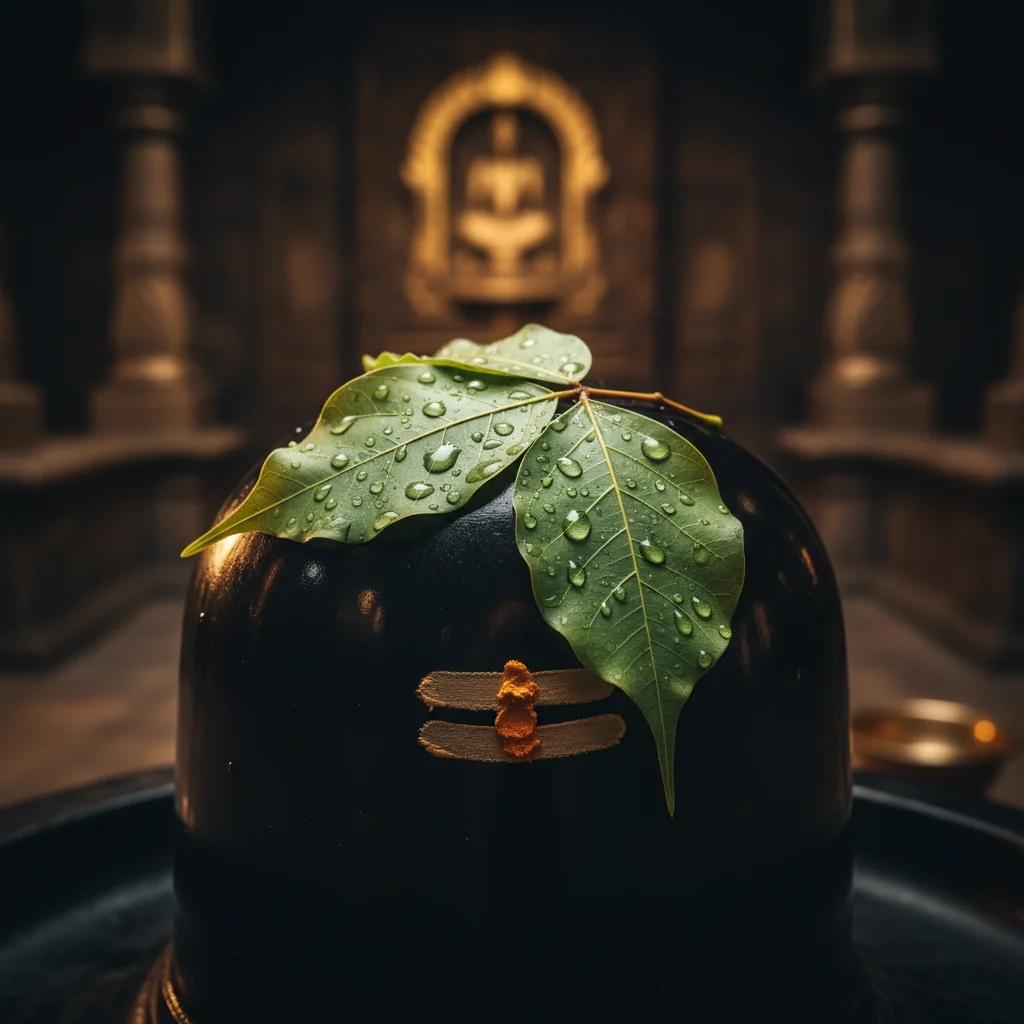
In Vedic spiritual science, Sacred Shankh Blowing, Water Abhishek & Sthapana Vidhi serves as a sacred bridge between individual human consciousness and cosmic grace. Scriptural practice demonstrates that chanting sacred mantras, reciting daily stotrams, and adhering to time-tested ritual protocols awakens profound inner peace, resolves karmic obstructions, and purifies life energies.
Authentic Sanskrit Shloka: Phonetic Precision and Deep Spiritual Symbolism
The sound waves of a blown conch generate high-frequency infrasonic vibrations that annihilate harmful pathogens and negative astral entities within a 300-meter radius instantly. Rooted in traditional scriptures such as Varaha Purana & Brahma Vaivarta Purana Shankha Mahatmya, this sacred practice aligns mind, body, and breath with benevolent universal vibrations.
| Spiritual Dimension | Classical Principle | Practical Daily Impact |
|---|---|---|
| Primary Deity & Energy | Maha Vishnu and Goddess Mahalakshmi, brother-sibling born of the sacred Samudra Manthan | Invokes divine protection, inner courage, and spiritual radiance. |
| Vedic Metre & Shloka | Varaha Purana & Brahma Vaivarta Purana Shankha Mahatmya | Phonetic resonance clears energetic blockages across chakras. |
| Ideal Timings (Muhurta) | Morning and evening daily aarti; blow 3 times continuously with deep diaphragmatic breath | Maximizes sattvic receptivity and mental concentration. |
| Sacred Samagri & Offerings | Brass or silver stand, red cloth, filled Ganga water with tulsi for abhishek, and unbroken rice | Purifies the altar atmosphere and delights divine presences. |
| Prohibitions & Restrictions | Blowing a Dakshinavarti Shankh (strictly meant for worship only), keeping shankh on bare floor, and offering shankh water to Shiva/Surya | Shields the practitioner from ritual dilution and negative energy. |
Authentic Vedic Scripture and Sacred Shloka
Classical texts emphasize the importance of exact Sanskrit pronunciation and reverent understanding. From Varaha Purana & Brahma Vaivarta Purana Shankha Mahatmya, the foundational verse states:
॥ त्वं पुरा सागरोत्पन्नो विष्णुना विधृतः करे। निर्मितः सर्वदेवैश्च पाञ्चजन्य नमोऽस्तु ते॥ ॥
Translation: “O Sacred Conch, you were born anciently from the Churning of the Ocean, held lovingly in Lord Vishnu’s holy hand, honored by all celestials; O Panchajanya, salutations to you.”
Step-by-Step Daily Practice and Practical Ritual Rules
Keep a Dakshinavarti Shankh on a silver stand in the temple filled with water and rice for wealth, and use a Vamavarti Shankh strictly for blowing 3 times during morning aarti.
- Preparation & Purity: Take a fresh bath, wear clean unstitched or comfortable cotton clothes, and light a pure cow ghee or sesame oil lamp facing East or North.
- Sankalpa (Intention): Take a few drops of water in your right palm, state your name, gotra, and purpose with heartfelt devotion, and release the water onto the plate.
- Sacred Chanting: Recite the sacred verses with steady, rhythmic breathing without rushing or slurring words.
- Aarti & Samarpan: Conclude by offering flowers, fragrant dhoop, and sincere gratitude, seeking forgiveness for any unintentional omissions.
Classical Phala Shruti and Verified Life Merits
Dedicated adherence to this sacred practice bestows tangible positive transformations: Expansion of respiratory lung capacity, purification of household energy field, destruction of Vastu doshas, and attraction of Lakshmi.
Frequently Asked Questions on Sacred Practice
Why is water from a conch strictly forbidden from ever touching a Shivalinga?
Mythology records that Lord Shiva vanquished the demon Shankhachuda with His trident; the demon’s purified shell became the conch, hence Shiva accepts no shankh water.
What is the scientific benefit of blowing the conch (Shankh Naad) daily?
Blowing the conch exercises the diaphragm, opens dormant pulmonary alveoli, tones facial and thyroid muscles, and purifies respiratory pathways.
Why should a Dakshinavarti (Right-Handed) conch never be blown with the mouth?
A Dakshinavarti Shankh represents the physical manifestation of Goddess Lakshmi Herself; blowing it introduces mouth saliva (Uchchishta), which causes serious spiritual offense.
Content published on Kriyasya Pulse represents editorial and educational insights uniting traditional wisdom with contemporary research. Readers are encouraged to apply discernment and seek qualified guidance where appropriate.