

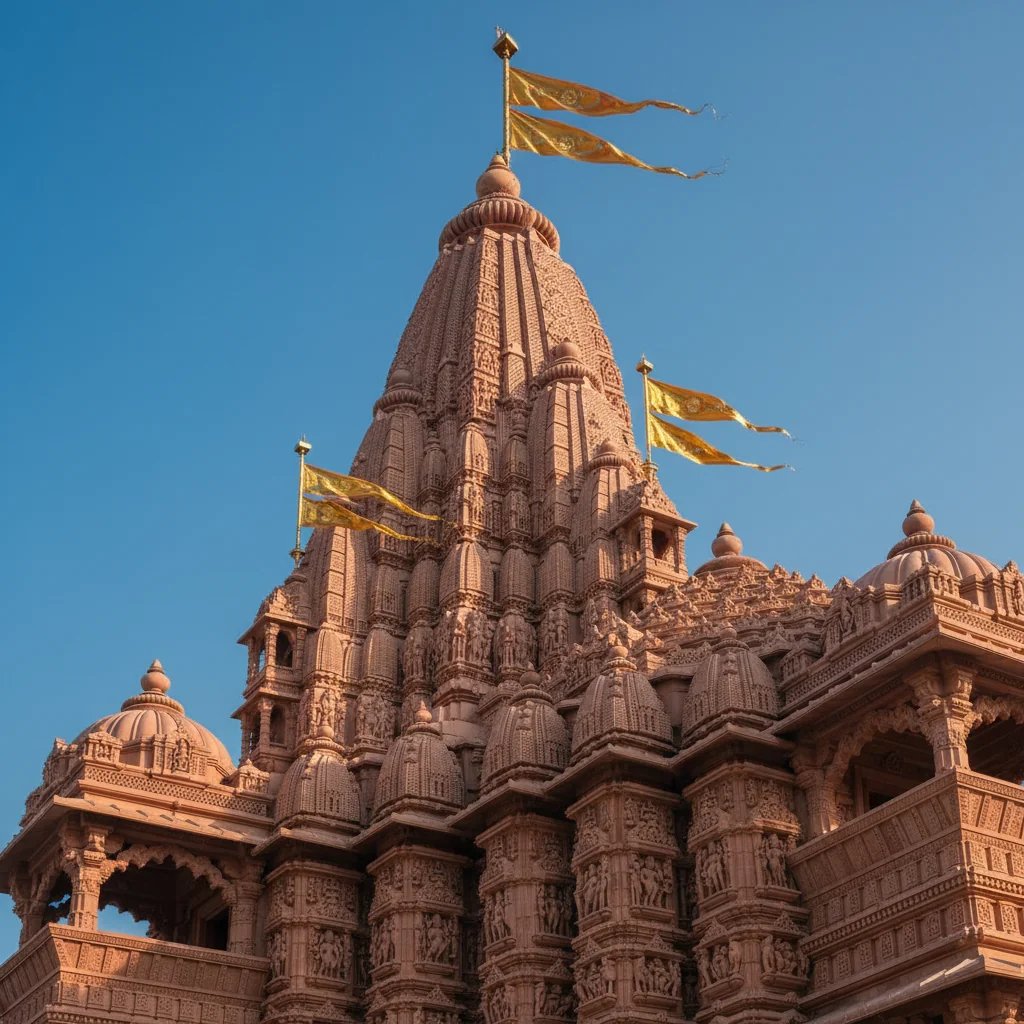
The epic narrative of the Ramayana—composed by Adi Kavi Sage Valmiki and immortalized in Awadhi by Goswami Tulsidas in the Ramcharitmanas—is far more than a celebrated mythological story; it is the ultimate living encyclopedia of human relationships, righteous leadership, and unflinching fidelity to moral principles. Centered around Bhagwan Sri Rama, revered as Maryada Purushottam (the supreme embodiment of ethical limits and righteous conduct), the epic demonstrates how to navigate heartbreak, betrayal, exile, and war with unblemished nobility. From Lakshmana’s selfless service and Bharata’s unattached stewardship to Sita’s unshakable fortitude and Hanuman’s supreme devotion, the Ramayana provides direct psychological templates for familial harmony and principled living. The Sacred Ramayan Teachings Portal provides thematic chapter breakdowns, philosophical commentaries, chaupai audio, and practical character-building lessons for modern life.
⚖️ Wellness & Legal Safety Disclaimer
This digital self-help exercise and informational guide are intended solely for educational, psychoeducational, and general personal wellness purposes. It does not constitute medical advice, clinical psychological assessment, psychiatric treatment, or a formal therapeutic relationship. Wellbeing exercises affect individuals differently; discontinue any somatic or cognitive practice that elicits distress and consult a licensed healthcare professional.
Emergency Crisis Resources: If you are experiencing acute psychological distress, panic crisis, or thoughts of self-harm, please reach out immediately to qualified emergency support services: Tele-MANAS (14416 / 1800-891-4416), KIRAN Mental Health Support (1800-599-0019, 24×7), or National Emergency Services (112 in India, 988 in the US/Canada).
The Seven Kandas of Ramayana & Their Contemporary Life Lessons
| Kanda (Epic Section) | Central Archetypal Milestone | Modern Psychological & Leadership Lesson |
|---|---|---|
| 1. Bala Kanda | Divine birth, schooling under Vishwamitra, slaying of Tataka, breaking of Shiva’s bow. | Reverence for mentors, emotional humility despite immense talents, and protection of sacred space. |
| 2. Ayodhya Kanda | Denial of the crown, joyful acceptance of 14-year exile, Bharata’s refusal of the throne. | Complete lack of entitlement; prioritizing parental honor and fraternal love over political ambition. |
| 3. Aranya Kanda | Forest hermitage life, golden deer deception, abduction of Sita, Jatayu’s noble sacrifice. | The danger of chasing superficial worldly glamours (golden deer) and the noble courage to defend virtue even in defeat. |
| 4. Kishkindha & Sundara Kanda | Alliance with Sugriva, Hanuman leaping across the ocean, locating Sita in Ashoka Vatika. | Awakening dormant potential (Hanuman); strategic diplomacy; absolute loyalty and selfless service. |
| 5. Yuddha & Uttara Kanda | Building the bridge, slaying of Ravana, coronation in Ayodhya, establishment of Ramrajya. | Triumph of patient righteousness over arrogant ego; visionary governance rooted in truth and welfare of all. |
Three Principles of Maryada Purushottam for Daily Living
- Unwavering Truthfulness (Raghukul Reeti): Uphold commitments and promises even when facing severe personal disadvantage.
- Egalitarian Compassion: Like Sri Rama embracing Guha, eating Shabari’s berries, and honouring Jatayu, treat every being with profound dignity regardless of social status.
- Stewardship Over Ownership: Like Bharata ruling with Rama’s wooden sandals (Padukas) on the throne, view your career, family, and possessions as a sacred sacred trust rather than personal property.
Frequently Asked Questions
Why is Sri Rama called ‘Maryada Purushottam’?
Unlike avatars who broke social conventions to deliver lessons, Bhagwan Rama operated strictly within the boundaries (Maryada) of human law, family duty, and societal ethics, demonstrating that supreme righteousness is attainable within worldly life.
How can reading Ramcharitmanas heal domestic family conflicts?
The Ramayana models selfless brotherly love, mutual sacrifice, and respectful communication. Reading it regularly softens ego-driven domestic friction and restores mutual reverence within families.
Content published on Kriyasya Pulse represents editorial and educational insights uniting traditional wisdom with contemporary research. Readers are encouraged to apply discernment and seek qualified guidance where appropriate.