

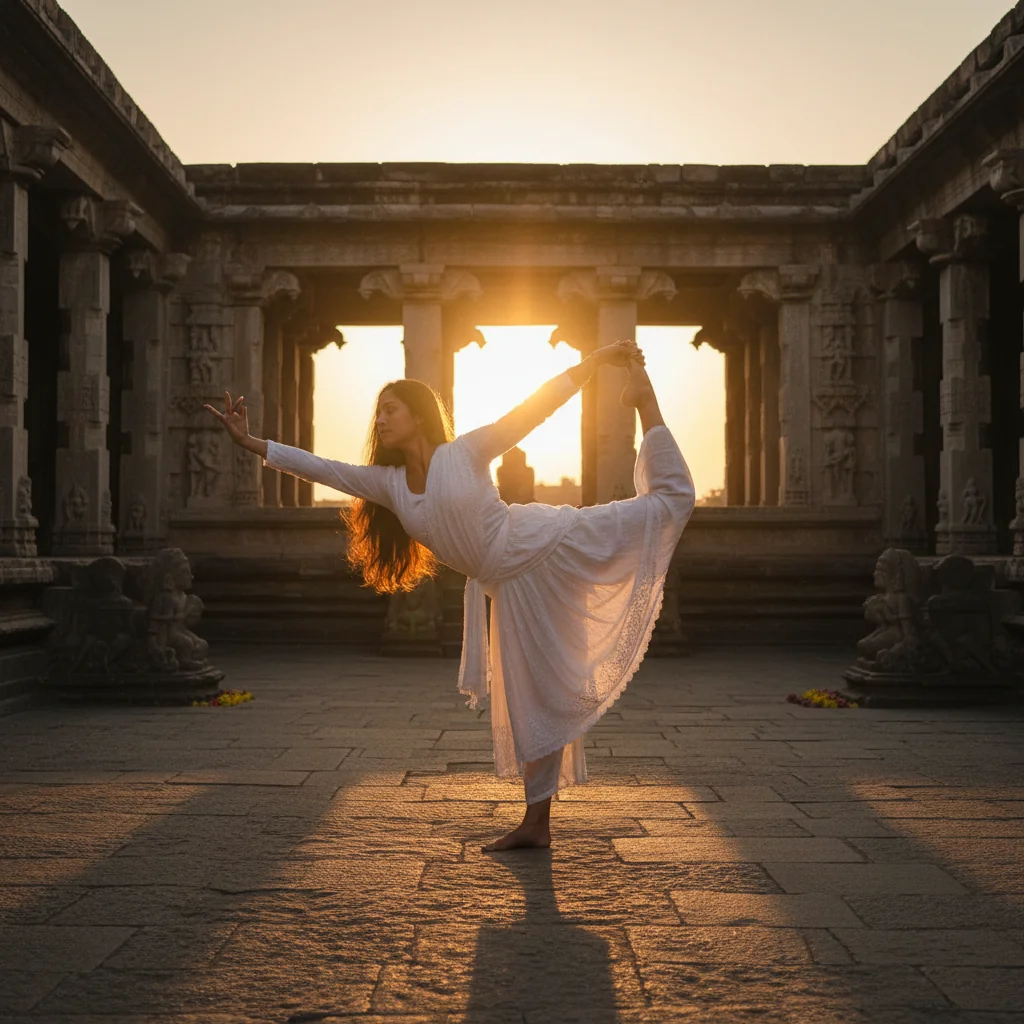
Modern lifestyle demands enforce chronic postural and muscular contractionjaw clenching, cervical spine stiffness, and elevated trapezius tension. The brain often forgets how to register somatic relaxation, mistaking muscular brace states for normal posture. True physiological relaxation requires progressive neurological decompression, where motor neuron firing rates decelerate and peripheral vasculature dilates, restoring warm circulation to extremities. In psychoacoustics, sustained low-frequency acoustic warmth coupled with slow 60-BPM ambient music triggers what Herbert Benson identified as the ‘Relaxation Response.’ The Kriyasya Deep Somatic Relaxation Studio curates acoustic environments engineered to release musculoskeletal holding patterns and quiet somatic distress.
The Neuro-Muscular Physics of Auditory-Somatic Decoupling
Auditory pathways project directly to the reticulospinal tract, which regulates postural muscle tone. When an individual hears erratic, unpredictable sounds, gamma motor neurons automatically tighten skeletal muscle groups in preparation for physical evasion. Conversely, long, continuous acoustic tones (such as rich cello drones and oceanic swells) deactivate gamma motor loops, allowing myofascial fibers to lengthen and release stored lactic acid.
Musculoskeletal Holding Zones & Matched Acoustic Relief
| Somatic Holding Zone | Biomechanical Pattern | Acoustic Remedy Protocol |
|---|---|---|
| Temporomandibular (Jaw & Teeth) | Unconscious nocturnal clenching (Bruxism) | 432 Hz warm strings; gentle jaw drop on each prolonged acoustic exhale. |
| Cervical Spine & Shoulders | Trapezius elevation from screen hunching | Low-frequency brown noise paired with singing bowls; conscious shoulder melt. |
| Pelvic Floor & Diaphragm | Shallow thoracic breathing & core bracing | Sub-bass resonance (136.1 Hz Om); expansive diaphragmatic belly breathing. |
Protocol for a 20-Minute Somatic Unwinding Session
- Recline with Lumbar Support: Lie on your back on a comfortable rug with a rolled towel under your neck and a bolster beneath your knees.
- Progressive Jaw and Eyebrow Release: As the opening acoustic swell resonates, soften your tongue away from the roof of the mouth and unknit your brow.
- Thermal Sensation Awareness: Notice warm tingling sensations spreading through your palms and soles of your feet as peripheral blood vessels dilate in deep relaxation.
Frequently Asked Questions
Why does deep physical relaxation make the hands and feet feel warm?
During stress, sympathetic signals constrict peripheral capillaries to direct blood toward large muscles. True relaxation deactivates sympathetic tone, dilating peripheral blood vessels and restoring healthy blood flow to your fingers and toes.
How often should a somatic unwinding session be practiced?
A daily 20-minute unwinding session immediately following your workday prevents chronic physical strain from crystallizing into chronic muscular pain.
Content published on Kriyasya Pulse represents editorial and educational insights uniting traditional wisdom with contemporary research. Readers are encouraged to apply discernment and seek qualified guidance where appropriate.