

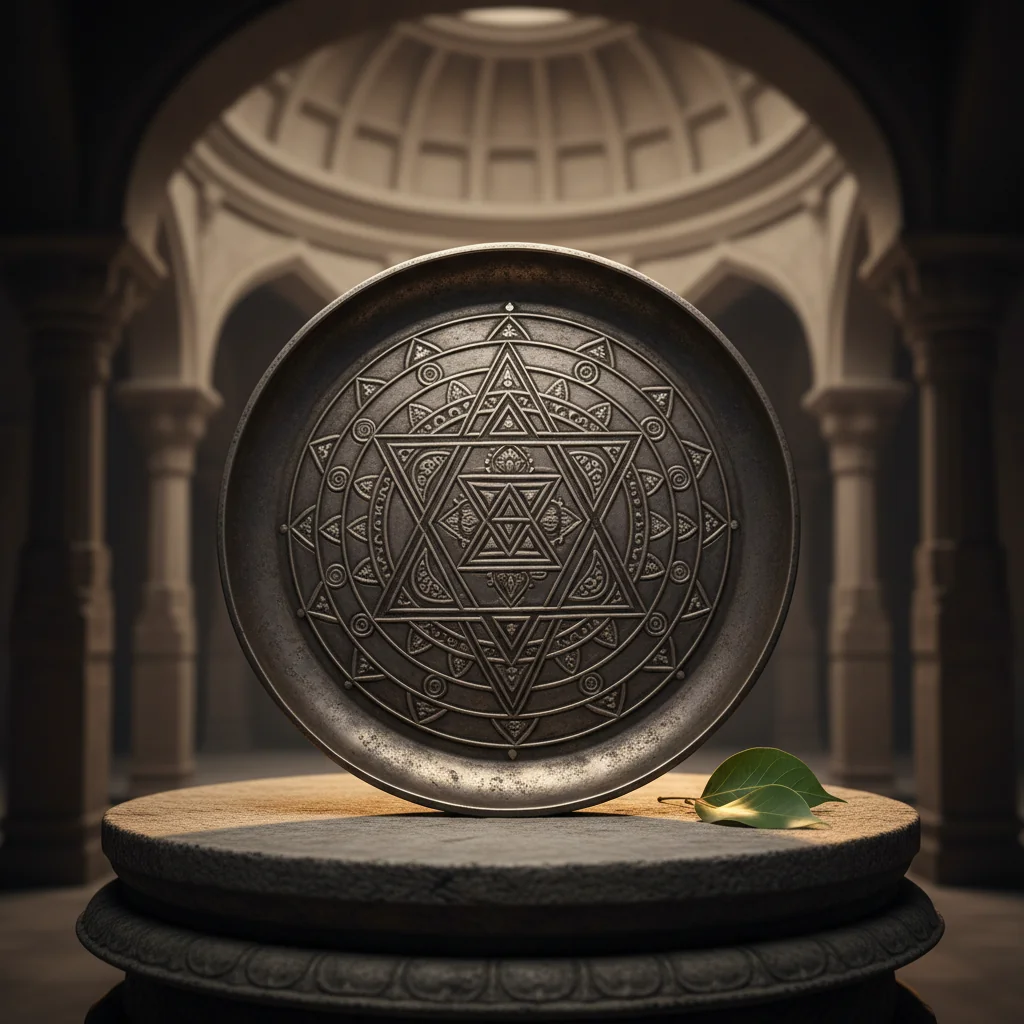
In Vedic spiritual science, Pradosh Vrat Evening Shiva Puja Vidhi & Wish Fulfillment serves as a sacred bridge between individual human consciousness and cosmic grace. Scriptural practice demonstrates that chanting sacred mantras, reciting daily stotrams, and adhering to time-tested ritual protocols awakens profound inner peace, resolves karmic obstructions, and purifies life energies.
Classical Phala Shruti: Verified Merits, Psychological Peace, and Divine Grace
Pradosha represents cosmic twilight where duality dissolves. Worshipping Shiva and Parvati during this 90-minute window burns negative planetary karma and satisfies cherished wishes. Rooted in traditional scriptures such as Skanda Purana Shiva Rahasya Pradosha Mahatmya, this sacred practice aligns mind, body, and breath with benevolent universal vibrations.
| Spiritual Dimension | Classical Principle | Practical Daily Impact |
|---|---|---|
| Primary Deity & Energy | Lord Shiva and Mata Parvati, granting boons during the auspicious twilight window of Trayodashi | Invokes divine protection, inner courage, and spiritual radiance. |
| Vedic Metre & Shloka | Skanda Purana Shiva Rahasya Pradosha Mahatmya | Phonetic resonance clears energetic blockages across chakras. |
| Ideal Timings (Muhurta) | Trayodashi twilight (45 minutes before to 45 minutes after sunset), twice every lunar month | Maximizes sattvic receptivity and mental concentration. |
| Sacred Samagri & Offerings | Cow milk and honey for abhishek, 108 bilva leaves, white sweets, bhasma, and fragrant champa flowers | Purifies the altar atmosphere and delights divine presences. |
| Prohibitions & Restrictions | Performing puja in the morning and ignoring the evening twilight window, eating salty food during the fast, and anger | Shields the practitioner from ritual dilution and negative energy. |
Authentic Vedic Scripture and Sacred Shloka
Classical texts emphasize the importance of exact Sanskrit pronunciation and reverent understanding. From Skanda Purana Shiva Rahasya Pradosha Mahatmya, the foundational verse states:
॥ प्रदोषे सर्वदेवानां सन्निधिः शङ्करे भवेत्। तस्मात् सर्वप्रयत्नेन प्रदोषे शिवमार्चयेत्॥ ॥
Translation: “During the sacred Pradosha twilight, all celestial deities congregate around Lord Shankara; therefore, with all devotion, one must worship Shiva during Pradosha.”
Step-by-Step Daily Practice and Practical Ritual Rules
Fast throughout the day, take a bath before sunset, perform Panchamrit abhishek on the Shivling during twilight, offer 108 bilva leaves, and chant ‘Om Namah Shivaya’.
- Preparation & Purity: Take a fresh bath, wear clean unstitched or comfortable cotton clothes, and light a pure cow ghee or sesame oil lamp facing East or North.
- Sankalpa (Intention): Take a few drops of water in your right palm, state your name, gotra, and purpose with heartfelt devotion, and release the water onto the plate.
- Sacred Chanting: Recite the sacred verses with steady, rhythmic breathing without rushing or slurring words.
- Aarti & Samarpan: Conclude by offering flowers, fragrant dhoop, and sincere gratitude, seeking forgiveness for any unintentional omissions.
Classical Phala Shruti and Verified Life Merits
Dedicated adherence to this sacred practice bestows tangible positive transformations: Speedy fulfillment of deep personal wishes, relief from heavy debts, healing of chronic diseases, and marital joy.
Frequently Asked Questions on Sacred Practice
What unique blessings do different days of Pradosh Vrat bestow (e.g., Soma, Bhauma, Shani)?
Soma Pradosh (Monday) fulfills wishes; Bhauma Pradosh (Tuesday) clears chronic debt; Shani Pradosh (Saturday) relieves severe Sade Sati afflictions.
Why is the evening twilight (Pradosha Kaal) far more important than morning puja for this fast?
Scriptures affirm that Lord Shiva performs His cosmic dance on Kailash during twilight; worshipping then grants direct audience with His grace.
Can water and milk abhishek be offered on Shivling at home during Pradosh?
Yes; householders can perform abhishek on a Narmadeshwar or small brass Shivling with pure devotion.
Content published on Kriyasya Pulse represents editorial and educational insights uniting traditional wisdom with contemporary research. Readers are encouraged to apply discernment and seek qualified guidance where appropriate.