

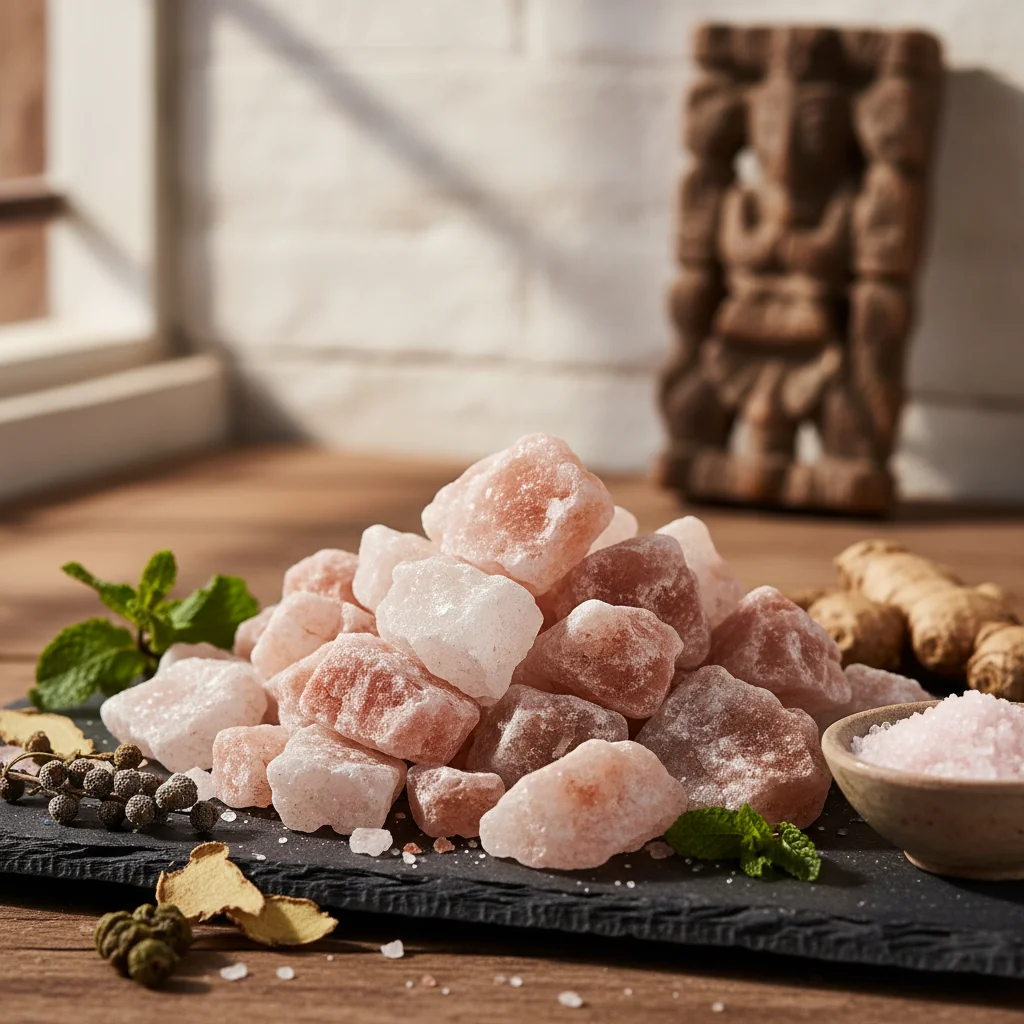
In classical Ayurveda, optimal health is defined as the harmonious equilibrium of the biological doshas (Vata, Pitta, and Kapha), vibrant digestive fire (Agni), nourished bodily tissues (Dhatus), and serene sensory contentment. When studying Pitta Dosha Aggravation: Hyperacidity, Skin Rashes and Inflammation, ancient texts including the Charaka Samhita and Sushruta Samhita offer clear therapeutic insights to restore holistic balance.
Core Clinical Concept: Pitta Dosha Aggravation
Ayurvedic Insight Summary:
Pitta Dosha Aggravation represents the pathological surge of fiery and oily qualities within the digestive system and blood tissue (Rakta Dhatu), generating burning sensations, acid reflux, dermal eruptions, and intense impatience. By balancing bodily energies, eliminating metabolic toxins, and observing mindful lifestyle rhythms, lasting systemic vitality is cultivated naturally.
Classical Ayurvedic philosophy teaches that every bodily disturbance begins with impaired digestion and the accumulation of undigested toxins, known as Ama. Under the influence of Agni & Jala Tattva (Fire & Water) governed by Surya (Sun) & Mangal (Mars), internal channels (Srotas) require nurturing attention, gentle detoxification, and mindful dietary alignment.
Doshic Blueprint & Systemic Dynamics
| Clinical Attribute | Ayurvedic Specification | Therapeutic Significance |
|---|---|---|
| Primary Biological Element | Agni & Jala Tattva (Fire & Water) governed by Surya (Sun) & Mangal (Mars) | Fundamental energetic quality governing physiological responses |
| Favorable Therapeutic Inputs | Cooling herbs, sweet juicy melons, and cow milk ghee | Nourishing foods, supportive herbs, and stabilizing routines |
| Pathological Aggravators | Fermented pickles, pungent red chilies, and midday direct sun exposure | Incompatible food pairings, excessive stressors, and erratic habits |
| Optimal Times & Environments | Summer and early autumn; Cool breeze North and North-East directions | Auspicious diurnal rhythms and restful spatial surroundings |
| Therapeutic Colors & Elements | Cooling emerald green, ocean aqua, and soothing silvery moonlight | Harmonizing visual, environmental, and chromatic vibrations |
Classical Scriptural Foundation
Traditional treatises such as the Ashtanga Hridaya Sutrasthana Chapter 11 elucidate the foundational mechanics governing this physiological harmony:
“पित्तं सस्नेहतीक्ष्णोष्णं लघु विस्रं सरं द्रवम्। तस्य प्रशमनं सर्पिः स्वादु तिक्तं कषायकम्॥”
— Classical Sanskrit Reference (Ashtanga Hridaya Sutrasthana Chapter 11)
English Translation: “Pitta is slightly unctuous, sharp, hot, light, fleshy-smelling, spreading, and liquid. Its pacification is achieved through pure cow ghee and substances with sweet, bitter, and astringent tastes.”
This classical verse highlights that when internal equilibrium is respected, the body’s innate intelligence restores harmony without harsh interventions.
Pathya vs. Apathya: Dietary & Lifestyle Guidance
Maintaining biological homeostasis requires conscious discrimination between pathya (wholesome inputs that nourish tissues) and apathya (unwholesome habits that obstruct channels):
- Wholesome Regimens (Pathya): Soaked raisins, fresh pomegranate juice, sweet coconut water, bitter gourd, cooling cucumber.
- Unwholesome Practices to Avoid (Apathya): Deep fried snacks, alcohol, vinegar, aged cheese, garlic overload, competitive anger.
- Subconscious & Mental Equilibrium: Pitta aggravation manifests when mental ambition turns into burning criticism. Cool your internal judgment, soften your gaze, and cultivate sweet contentment.
Step-by-Step Ayurvedic Restoration Protocol
- Morning Cleansing Ritual: Wake during the calm pre-dawn hours, scrape your tongue with pure copper, and drink warm water to stimulate peristalsis.
- Gentle Snehana & Abhyanga: Massage warm herbal sesame or coconut oil onto joints and scalp to calm the nervous system and soothe excess Vata.
- Therapeutic Herbal Ingestion: Take 1 teaspoon of pure cow ghee on an empty stomach; drink coriander seed infusion; apply sandalwood paste to forehead; walk beneath evening moonlight.
- Mindful Midday Nutrition: Consume your largest, freshly prepared meal when the digestive fire is strongest between 12:00 PM and 1:30 PM.
- Evening Restoration: Detach from digital devices one hour before resting; drink warm golden milk infused with nutmeg or turmeric for restorative sleep.
Frequently Asked Questions
Q1: How does Pitta dosha cause hyperacidity and heartburn?
A1: Excess Pachaka Pitta increases acid secretions (Amla and Tikshna Gunas), inflaming the stomach lining and burning the esophagus.
Q2: Which taste profile is best for cooling Pitta down rapidly?
A2: Bitter (Tikta) and sweet (Madhura) tastes are the most powerful antacids, clearing metabolic heat from the liver and blood.
Q3: Can untreated Pitta cause chronic skin diseases?
A3: Yes; overheated Pitta corrupts Rakta Dhatu (blood tissue), precipitating hives, eczema, chronic rosacea, and burning boils.
Summary & Holistic Takeaways
True healing in Ayurveda is a gradual, compassionate realignment with nature’s wisdom. By incorporating balanced nutrition, seasonal awareness, and targeted herbal remedies, Pitta Dosha Aggravation serves as an empowering gateway to lifelong vitality and enduring serenity.
Lyrics, hymns, and spiritual verses displayed on Kriyasya are presented strictly for cultural, devotional, and educational purposes under the Fair Use doctrine. We deeply revere all original composers, traditional lyricists, and recording artists, and do not promote copyright infringement. If you enjoy this music, please support the artists by purchasing their official releases on licensed platforms such as YouTube Music, Spotify, Gaana, JioSaavn, and Apple Music. Copyright owners or authorized representatives may contact us directly at [email protected] regarding any content verification or takedown requests; our compliance desk reviews and resolves all legitimate notices within 48 hours.