
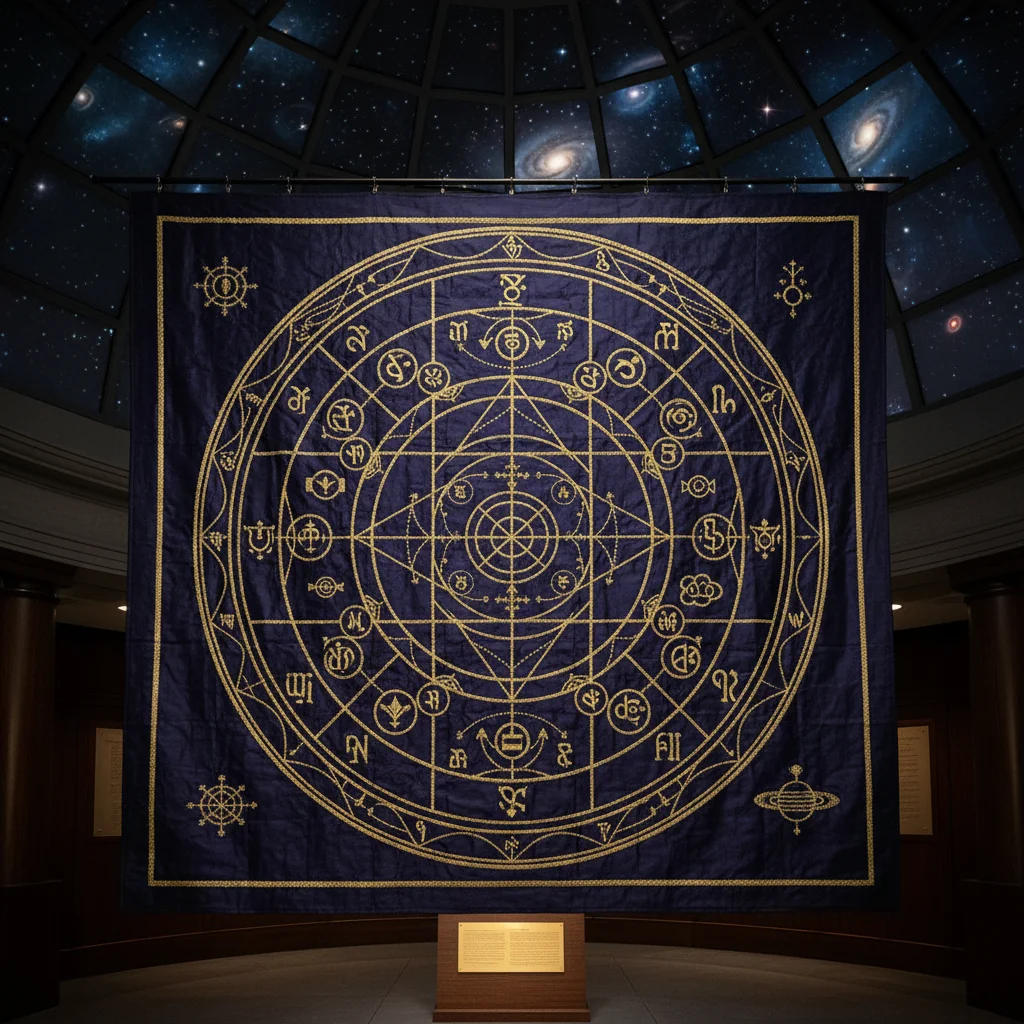
In Vedic astrology (Jyotish), the birth chart (Kundli) is divided into twelve distinct sectors known as Bhavas (houses). While signs (Rashis) represent psychological qualities and planets (Grahas) symbolize cosmic energies, the Bhavas represent the specific stages and environments where human life actually unfolds.
The Four Purusharthas (Life Pursuits)
The 12 houses are systematically organized around the four classical aims of human existence:
- Dharma Houses (1, 5, 9): The Trine (Trikona) houses governing identity, character, righteousness, creative genius, and higher spiritual wisdom.
- Artha Houses (2, 6, 10): The material houses representing wealth accumulation, daily work routine, overcoming obstacles, and vocational status in society.
- Kama Houses (3, 7, 11): The desire houses governing courageous initiative, partnerships, marriage, friendships, and large-scale gains.
- Moksha Houses (4, 8, 12): The liberation houses governing emotional peace, psychological transformation, deep esoteric studies, and spiritual release.
Quick Reference of the 12 Bhavas
| House | Traditional Name | Primary Significations |
|---|---|---|
| 1st | Tanu Bhava | Self, physical body, appearance, vitality, life direction |
| 2nd | Dhana Bhava | Family values, speech, accumulated wealth, early food habits |
| 3rd | Sahaja Bhava | Younger siblings, courage, communications, manual skills |
| 4th | Sukha Bhava | Mother, home, inner contentment, real estate, vehicles |
| 5th | Putra Bhava | Intellect, creative self-expression, children, past-life merit (Purva Punya) |
| 6th | Ari / Shatru Bhava | Daily duties, health management, overcoming debts and adversaries |
| 7th | Yuvati Bhava | Spouse, significant partnerships, public interactions, trade |
| 8th | Randhra Bhava | Longevity, transformation, hidden knowledge, unearned assets |
| 9th | Dharma Bhava | Guru, father, spiritual pilgrimage, higher philosophy, fortune |
| 10th | Karma Bhava | Career, public reputation, leadership, contribution to the world |
| 11th | Labha Bhava | Aspirations, social networks, older siblings, realized profits |
| 12th | Vyaya Bhava | Solitude, subconscious dream states, foreign lands, spiritual liberation |
How to Read House Strength
A house does not operate in isolation. Astrologers evaluate the condition of the house lord (Bhavesha), the aspects received by the house, and the planetary transits moving through it to construct a complete, nuanced understanding of an individual’s life patterns.
Vedic astrology, numerology, and planetary insights shared on Kriyasya are rooted in classical Indian treatises and provided solely for spiritual reflection, philosophical self-awareness, and cultural study. These interpretations are subjective and should not be used as a substitute for certified medical, psychological, legal, or financial professional counsel.