
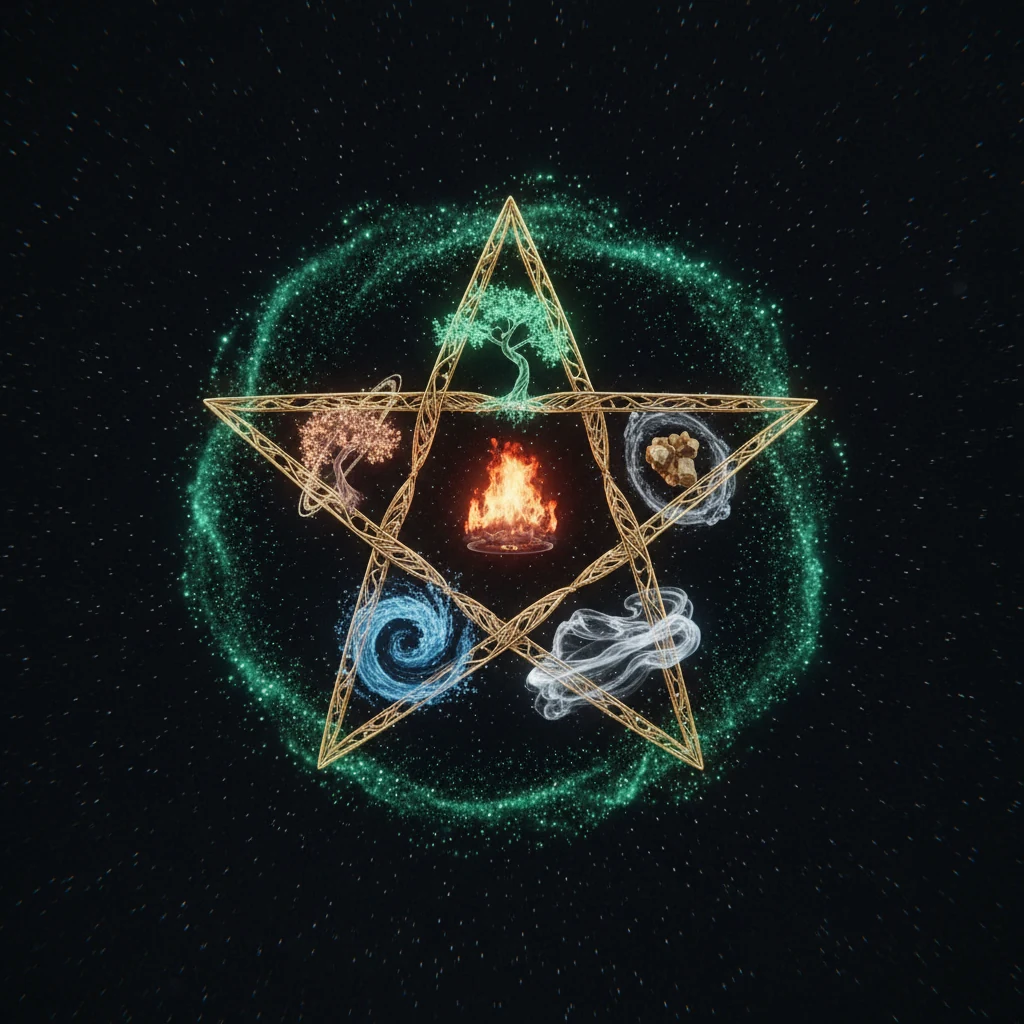
The tension is palpable: a deep-seated urge to nurture and protect clashes with an insatiable craving for novelty and freedom. This is the internal landscape of individuals born under the potent confluence of Life Path 6 and Expression 5, a dynamic duality that shapes their cognitive architecture and dictates their journey through life.
Key Takeaways:
- Life Path 6 embodies the archetype of the Harmonizer, driven by responsibility, service, and a desire for domestic tranquility.
- Expression 5 represents the Maverick, characterized by a need for freedom, adaptability, and a thirst for diverse experiences.
- The cognitive matrix of this pairing involves navigating the inherent conflict between commitment and change, duty and exploration.
- Harmonizing these energies requires conscious integration, fostering a flexible approach to responsibility and a purposeful direction for freedom.
The Harmonizer’s Burden & The Maverick’s Restlessness
Life Path 6, rooted in the principles of Bhagavad Gita‘s emphasis on nishkama karma (action without attachment to results) and the Ayurvedic concept of svadharma (one’s true duty), calls for a life dedicated to service, healing, and the cultivation of harmonious relationships. Cognitively, this manifests as a strong sense of obligation, an intuitive understanding of others’ needs, and a preference for stable, nurturing environments. The brain’s prefrontal cortex, crucial for executive functions like empathy and social cognition, is highly engaged in processing relational dynamics and maintaining equilibrium.
Conversely, Expression 5, echoing the dynamism of the Vedic concept of Prakriti (primordial matter, ever-changing) and the modern understanding of neuroplasticity, craves stimulation, variety, and freedom from constraint. This archetype’s cognitive signature involves rapid information processing, a keen ability to adapt to new circumstances, and a tendency towards sensory exploration. The dopaminergic pathways, associated with reward and novelty-seeking, are particularly active, driving a constant search for new experiences and intellectual stimulation.
The Cognitive Matrix: Where Duty Meets Desire
The core cognitive challenge for Life Path 6 with Expression 5 lies in reconciling these seemingly opposing drives. The 6’s inclination towards commitment and responsibility can feel like a cage to the 5’s need for liberation and exploration. Conversely, the 5’s restlessness can undermine the 6’s desire for stable, nurturing foundations. This internal dialectic can lead to cognitive dissonance, manifesting as anxiety, indecisiveness, or a feeling of being pulled in multiple directions simultaneously.
Modern neuroscience offers insights into this internal conflict. The interplay between the limbic system (associated with emotional processing and attachment, relevant to the 6) and the basal ganglia (involved in habit formation and reward-seeking, relevant to the 5) creates a complex feedback loop. When the 6’s need for security is threatened by the 5’s urge for change, or vice versa, the HPA axis can become dysregulated, leading to stress responses. The challenge is to foster a cognitive flexibility that allows for both deep connection and dynamic growth.
Harmonizing the Energies: A Somatic and Cognitive Approach
To navigate this potent combination, a conscious integration of these energies is paramount. This is not about choosing one over the other, but about creating a synthesis that honors both the need for responsibility and the call for freedom.
Protocol for Integration: The Harmonious Maverick
- Mindful Responsibility (Life Path 6): Cultivate a practice of conscious commitment. Instead of feeling burdened by duty, reframe it as a chosen path of service that aligns with your values. This involves mindful decision-making, drawing on the wisdom of the Yoga Sutras (YS 2.41: santoshan anuttama sukha laabha – by contentment, supreme joy is attained) to find joy in fulfilling obligations.
- Purposeful Exploration (Expression 5): Channel the 5’s energy into structured, purposeful exploration. This could involve learning new skills, engaging in travel with a specific objective, or pursuing intellectual interests that expand your understanding without disrupting core commitments. This aligns with the Ayurvedic principle of Rasa (taste/essence) – seeking diverse experiences that nourish, rather than deplete.
- Somatic Integration: Engage in practices that bridge the physical and cognitive. Somatic therapies, or even mindful movement practices like Yoga or Tai Chi, can help integrate the body’s responses to stress and desire. The vagus nerve, a key component of the parasympathetic nervous system, can be stimulated through deep breathing and mindful presence, fostering a sense of calm and allowing for clearer cognitive processing of conflicting impulses.
References:
- Bhagavad Gita.
- Yoga Sutras of Patanjali.
- Charaka Samhita.
- Porges, S. W. (2011). The Polyvagal Theory: Neurophysiological Foundations of Emotion, Attachment, Communication, and Self-Regulation. W. W. Norton & Company.
- Kringelbach, M. L., & Berridge, K. C. (2009). The Neuroscience of Pleasure and Well-Being. Nature Reviews Neuroscience, 10(2), 116-127.
Numerological analysis, name vibration studies, and life-path calculations provided on Kriyasya are interpretive tools designed for introspection, personal exploration, and symbolic study. They do not guarantee specific life events or deterministic outcomes.