

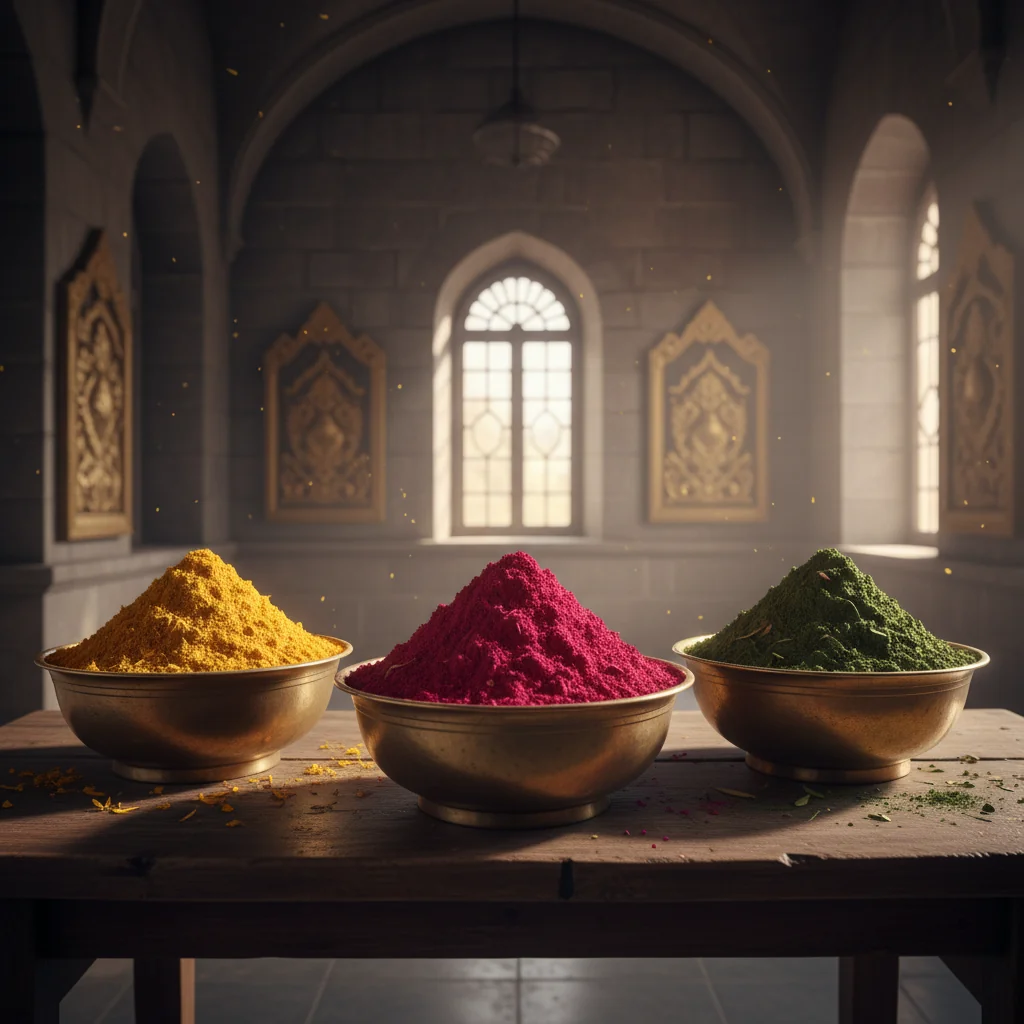
In Vedic spiritual science, Maha Shivratri Fasting, 4 Prahar Puja & Belpatra Rules serves as a sacred bridge between individual human consciousness and cosmic grace. Scriptural practice demonstrates that chanting sacred mantras, reciting daily stotrams, and adhering to time-tested ritual protocols awakens profound inner peace, resolves karmic obstructions, and purifies life energies.
Systematic Daily Practice: Step-by-Step Sankalpa, Nyasa, Japa, and Samarpan
Maha Shivratri is the dark moon night where planetary alignment facilitates spontaneous spiritual awakening. Staying awake with a vertical spine and chanting aligns the central sushumna nadi with cosmic grace. Rooted in traditional scriptures such as Shiva Purana Kotirudra Samhita Maha Shivratri Vrata Mahatmya, this sacred practice aligns mind, body, and breath with benevolent universal vibrations.
| Spiritual Dimension | Classical Principle | Practical Daily Impact |
|---|---|---|
| Primary Deity & Energy | Lord Shiva (Jyotirlinga Manifestation & Cosmic Union with Parvati), grantor of liberation and peace | Invokes divine protection, inner courage, and spiritual radiance. |
| Vedic Metre & Shloka | Shiva Purana Kotirudra Samhita Maha Shivratri Vrata Mahatmya | Phonetic resonance clears energetic blockages across chakras. |
| Ideal Timings (Muhurta) | Phalguna Krishna Chaturdashi night; 4 Prahar pujas from 6:00 PM to 6:00 AM continuously | Maximizes sattvic receptivity and mental concentration. |
| Sacred Samagri & Offerings | Milk, curd, ghee, honey, sugar (Panchamrit), unbroken 3-leaf bilva patra, dhatura, bhang, and ber fruit | Purifies the altar atmosphere and delights divine presences. |
| Prohibitions & Restrictions | Sleeping during the night (Jagaran is essential), offering Ketaki flowers or Kumkum to Shiva, and eating grains | Shields the practitioner from ritual dilution and negative energy. |
Authentic Vedic Scripture and Sacred Shloka
Classical texts emphasize the importance of exact Sanskrit pronunciation and reverent understanding. From Shiva Purana Kotirudra Samhita Maha Shivratri Vrata Mahatmya, the foundational verse states:
॥ फाल्गुने कृष्णपक्षे तु चतुर्दश्यां सुरेश्वरः। लिङ्गरूपेण सम्भूतो निशायां भवदुःखहा॥ ॥
Translation: “On the fourteenth day of the dark half of Phalguna, the Supreme Lord of the Gods manifested as the Infinite Linga of Light to dispel all the sufferings of worldly existence.”
Step-by-Step Daily Practice and Practical Ritual Rules
Fast from grains, perform continuous abhishek during the four night quarters (Prahar 1: Milk, Prahar 2: Curd, Prahar 3: Ghee, Prahar 4: Honey), and offer 108 smooth Belpatras.
- Preparation & Purity: Take a fresh bath, wear clean unstitched or comfortable cotton clothes, and light a pure cow ghee or sesame oil lamp facing East or North.
- Sankalpa (Intention): Take a few drops of water in your right palm, state your name, gotra, and purpose with heartfelt devotion, and release the water onto the plate.
- Sacred Chanting: Recite the sacred verses with steady, rhythmic breathing without rushing or slurring words.
- Aarti & Samarpan: Conclude by offering flowers, fragrant dhoop, and sincere gratitude, seeking forgiveness for any unintentional omissions.
Classical Phala Shruti and Verified Life Merits
Dedicated adherence to this sacred practice bestows tangible positive transformations: Effortless spiritual elevation, neutralization of heavy planetary curses, peace in married life, and liberation from rebirth.
Frequently Asked Questions on Sacred Practice
What specific offerings are prescribed for each of the 4 Prahars during Maha Shivratri night?
1st Prahar: Water and raw cow milk; 2nd Prahar: Curd; 3rd Prahar: Pure cow ghee; 4th Prahar: Honey, ending with sugarcane juice.
Why are Ketaki flowers strictly forbidden from ever being offered to Lord Shiva?
Lord Shiva cursed the Ketaki flower after it falsely bore witness to Brahma’s claim of discovering the summit of the infinite Pillar of Fire.
Why is the Bilva leaf placed on the Shivling with its smooth, glossy side facing downwards?
The smooth ventral side of the Bilva leaf contains the maximum conductivity of cellular prana, transferring the devotee’s devotion directly into the Shivalinga matrix.
Content published on Kriyasya Pulse represents editorial and educational insights uniting traditional wisdom with contemporary research. Readers are encouraged to apply discernment and seek qualified guidance where appropriate.