

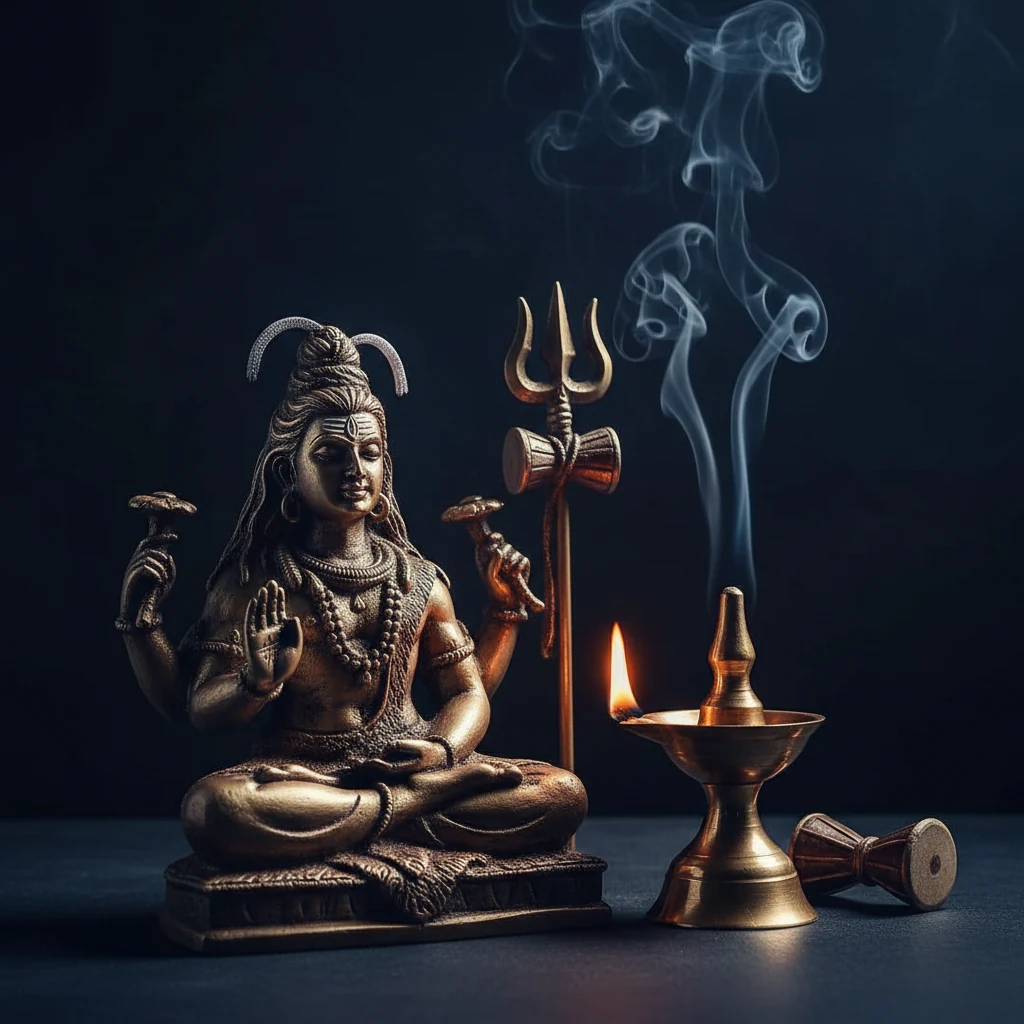
Quick Answer: In sacred Vedic tradition and Sanatana Dharma, maha mrityunjaya mantra defeating fear of death and chronic illness embodies unleashing Lord Tryambaka’s supreme rejuvenating life-force (Sanjeevani Prana) to vanquish untimely physical danger, acute disease, and fear. By practicing daily devotion aligned with Lord Shiva Tryambaka (Amrita Prana & Sanjeevani Vidya), devotees awaken deep spiritual peace, divine protection from negative afflictions, and abundant household harmony.
Sanctuary Vastu and Mandir Purity: Architectural Energy and Sacred Altar Placement
Authentic spiritual practice (Sadhana) in Vedic wisdom is an unbroken bridge between the individual soul (Jivatma) and the cosmic Supreme (Paramatma). The metaphor of Urvarukam (cucumber) is profound: a ripe fruit detaches effortlessly from its vine without violence or trauma. The Maha Mrityunjaya Mantra removes the frantic clinging of the ego, infusing cells with cellular peace and dissolving the deep subconscious terror of mortality.
Classical Scripture Citation
“ॐ त्र्यम्बकं यजामहे सुगन्धिं पुष्टिवर्धनम्। उर्वारुकमिव बन्धनान्मृत्यौर्मुक्षीय मामृतात्॥”
— Rigveda (7.59.12) & Shiva Purana
Translation & Meaning: We worship the Three-Eyed Lord Shiva, who is fragrant and nourishes all beings. As a ripe cucumber is severed from its vine, may He liberate us from death and bondages, not from immortality.
Core Spiritual Dimensions and Devotional Rules
| Spiritual Dimension | Shastric Protocol | Real-World Devotional Benefit |
|---|---|---|
| Presiding Deity & Element | Lord Shiva Tryambaka (Amrita Prana & Sanjeevani Vidya) | Direct connection with universal cosmic prana and divine grace |
| Auspicious Timings (Muhurta) | Chanting during Brahma Muhurta or at Pradosham twilight facing North or East | Multiplies chanting merit and deepens meditative absorption |
| Common Pitfalls to Avoid | Mispronouncing complex conjunct consonants, chanting with agitated fearful panic | Requires mental stillness, reverence, and physical cleanliness |
| Purity & Modification Codes | Listening to authentic Vedic chanting recordings to correct rhythm, keeping mind anchored on Shiva | Dissolves accidental chanting errors through sincere repentance |
| Power Remedies & Offerings | Chanting 108 times daily using an authenticated Rudraksha mala and performing Jalabhisheka with pure water | Brings immediate domestic tranquility and dissolves karmic burdens |
5 Practical Steps for Sacred Daily Sadhana
To cultivate the supreme spiritual fruits of Maha Mrityunjaya Mantra Defeating Fear of Death and Chronic Illness and anchor divine light in your daily routine, follow these five shastric steps:
- Purify Physical Space: Wash hands and feet, sit on a clean wool or kusha grass asana facing East or North.
- Anchor Daily Practice: Integrate Maintaining a calm, courageous state of mind, resting adequately, eating fresh wholesome prana foods into your morning or evening routine with loving devotion.
- Correct Chanting Rhythm: Chant with rhythmic breath and audible or mental clarity, avoiding haste or slurred pronunciation.
- Protect Spiritual Purity: Consciously avoid Chanting for manipulative, destructive, or harmful intentions against another living being to preserve spiritual energy and domestic sanctity.
- Surrender with Humility: Conclude every prayer session by offering all fruits to the Supreme and seeking blessings for universal welfare.
Remedial Protocols for Difficult Life Transitions
Core Shastric Prescription: Offer water mixed with a few drops of raw milk and black sesame seeds to a Shiva Lingam on Mondays while reciting the mantra eleven times.
In Sanatana Dharma, genuine devotion is never a commercial transaction; it is a loving surrender (Prapatti). When mantras and prayers are chanted with an unblemished heart, even ancient karmic tribulations melt away like morning mist before the rising sun.
Frequently Asked Questions (FAQs)
Can Maha Mrityunjaya Mantra be recited for a sick family member?
Yes; you can chant with mental sankalpa, holding a vessel of pure water, and offer that energised water for the patient to sip.
Why is Rudraksha mala specifically prescribed for this mantra?
Rudraksha represents the tears of Lord Shiva; its electromagnetic resonance balances blood pressure, calms arrhythmias, and aligns the heart.
Does this mantra grant liberation (Moksha) as well as health?
Yes; the mantra specifically prays ‘Ma-Amritat’—do not sever me from immortality—granting bodily healing in life and spiritual liberation upon transition.
Content published on Kriyasya Pulse represents editorial and educational insights uniting traditional wisdom with contemporary research. Readers are encouraged to apply discernment and seek qualified guidance where appropriate.