

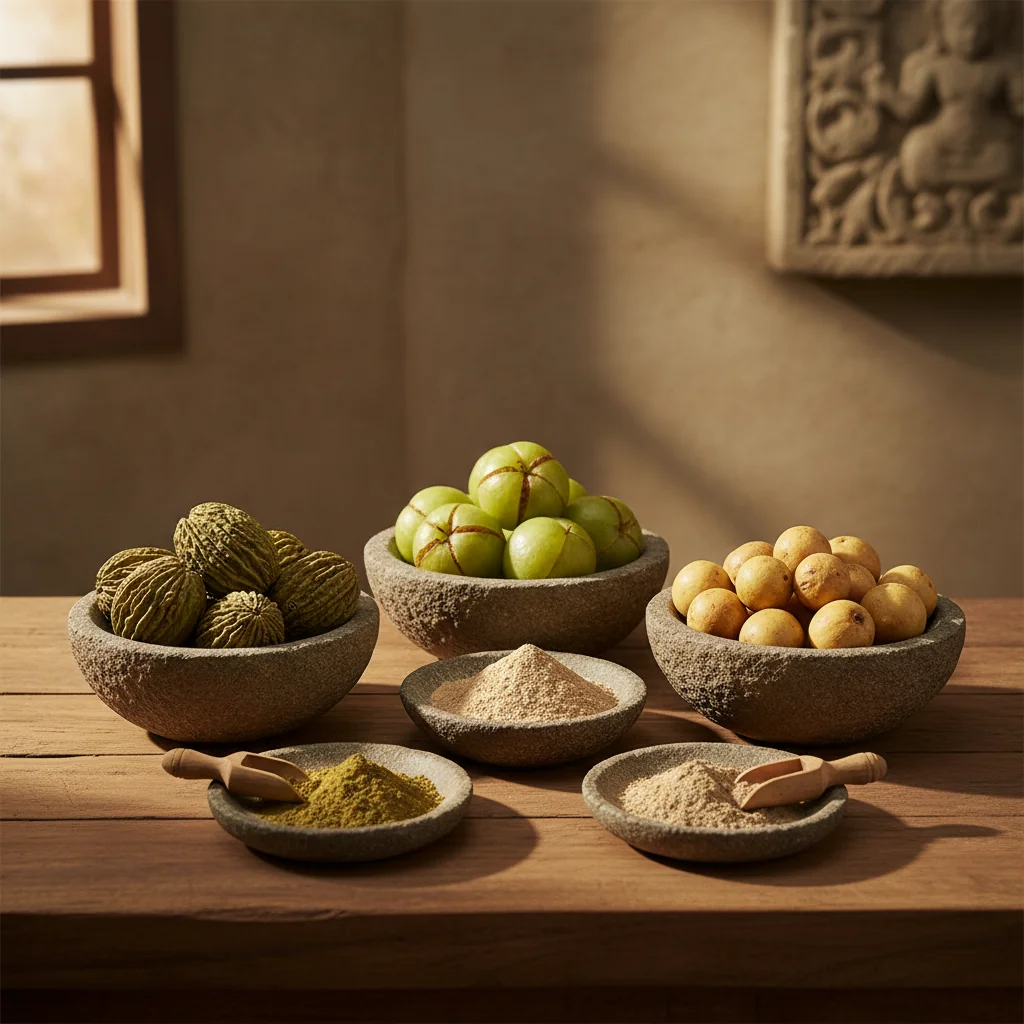
In classical Ayurveda, optimal health is defined as the harmonious equilibrium of the biological doshas (Vata, Pitta, and Kapha), vibrant digestive fire (Agni), nourished bodily tissues (Dhatus), and serene sensory contentment. When studying Kapha Dosha Stagnation: Lethargy, Sinus Congestion and Weight Gain, ancient texts including the Charaka Samhita and Sushruta Samhita offer clear therapeutic insights to restore holistic balance.
Core Clinical Concept: Kapha Dosha Stagnation
Ayurvedic Insight Summary:
Kapha Dosha Stagnation represents the pathological excess of earth and water elements within bodily channels, resulting in metabolic dampness, excessive mucosal secretions, heavy sluggishness, and water retention. By balancing bodily energies, eliminating metabolic toxins, and observing mindful lifestyle rhythms, lasting systemic vitality is cultivated naturally.
Classical Ayurvedic philosophy teaches that every bodily disturbance begins with impaired digestion and the accumulation of undigested toxins, known as Ama. Under the influence of Prithvi & Jala Tattva (Earth & Water) governed by Chandra (Moon) & Shukra (Venus), internal channels (Srotas) require nurturing attention, gentle detoxification, and mindful dietary alignment.
Doshic Blueprint & Systemic Dynamics
| Clinical Attribute | Ayurvedic Specification | Therapeutic Significance |
|---|---|---|
| Primary Biological Element | Prithvi & Jala Tattva (Earth & Water) governed by Chandra (Moon) & Shukra (Venus) | Fundamental energetic quality governing physiological responses |
| Favorable Therapeutic Inputs | Warming dry spices, brisk physical cardio, and light steamed meals | Nourishing foods, supportive herbs, and stabilizing routines |
| Pathological Aggravators | Daytime napping, heavy dairy desserts, and sedentary passivity | Incompatible food pairings, excessive stressors, and erratic habits |
| Optimal Times & Environments | Late winter and spring season; Dry airy East and North directions | Auspicious diurnal rhythms and restful spatial surroundings |
| Therapeutic Colors & Elements | Invigorating saffron orange, bright solar yellow, and crisp crimson red | Harmonizing visual, environmental, and chromatic vibrations |
Classical Scriptural Foundation
Traditional treatises such as the Sushruta Samhita Sutrasthana Chapter 21 elucidate the foundational mechanics governing this physiological harmony:
“स्निग्धः शीतो गुरुर्मन्दः श्लक्ष्णो मृत्स्नः स्थिरः कफः। विपरीतगुणैः शान्तिं प्रयाति गुरुतां त्यजन्॥”
— Classical Sanskrit Reference (Sushruta Samhita Sutrasthana Chapter 21)
English Translation: “Kapha is unctuous, cold, heavy, slow, smooth, slimy, and stable. It attains pacification and sheds its density through therapeutic substances that are dry, warm, and stimulating.”
This classical verse highlights that when internal equilibrium is respected, the body’s innate intelligence restores harmony without harsh interventions.
Pathya vs. Apathya: Dietary & Lifestyle Guidance
Maintaining biological homeostasis requires conscious discrimination between pathya (wholesome inputs that nourish tissues) and apathya (unwholesome habits that obstruct channels):
- Wholesome Regimens (Pathya): Barley water, roasted chickpeas, bitter leafy greens, black pepper, aged raw honey.
- Unwholesome Practices to Avoid (Apathya): Cold buffalo milk, heavy sweets, daytime sleep after meals, deep-fried flours, cold water baths.
- Subconscious & Mental Equilibrium: Kapha stagnation mirrors an emotional hoarding of past habits and comfort. Shake off the mental slumber, move your physical body with vigor, and welcome dynamic change.
Step-by-Step Ayurvedic Restoration Protocol
- Morning Cleansing Ritual: Wake during the calm pre-dawn hours, scrape your tongue with pure copper, and drink warm water to stimulate peristalsis.
- Gentle Snehana & Abhyanga: Massage warm herbal sesame or coconut oil onto joints and scalp to calm the nervous system and soothe excess Vata.
- Therapeutic Herbal Ingestion: Perform vigorous morning dry silk powder massage (Udvartana); drink hot water with ginger and honey; practice Surya Namaskar briskly; avoid daytime sleep entirely.
- Mindful Midday Nutrition: Consume your largest, freshly prepared meal when the digestive fire is strongest between 12:00 PM and 1:30 PM.
- Evening Restoration: Detach from digital devices one hour before resting; drink warm golden milk infused with nutmeg or turmeric for restorative sleep.
Frequently Asked Questions
Q1: Why does Kapha stagnation worsen noticeably in the spring season?
A1: As the spring sun warms the atmosphere, accumulated winter Kapha liquifies within the body, causing running sinuses and allergies.
Q2: What is the single most effective dietary remedy for clearing chest congestion?
A2: Drinking warm decoction of Trikatu (Black pepper, Long pepper, Dried ginger) blended with a spoon of raw aged honey.
Q3: Does daytime sleeping really aggravate Kapha dosha?
A3: Yes; Divasvapna (daytime sleep) severely decelerates metabolic fire, increasing mucosal dampness and lymphatic stagnation throughout the body.
Summary & Holistic Takeaways
True healing in Ayurveda is a gradual, compassionate realignment with nature’s wisdom. By incorporating balanced nutrition, seasonal awareness, and targeted herbal remedies, Kapha Dosha Stagnation serves as an empowering gateway to lifelong vitality and enduring serenity.
Lyrics, hymns, and spiritual verses displayed on Kriyasya are presented strictly for cultural, devotional, and educational purposes under the Fair Use doctrine. We deeply revere all original composers, traditional lyricists, and recording artists, and do not promote copyright infringement. If you enjoy this music, please support the artists by purchasing their official releases on licensed platforms such as YouTube Music, Spotify, Gaana, JioSaavn, and Apple Music. Copyright owners or authorized representatives may contact us directly at [email protected] regarding any content verification or takedown requests; our compliance desk reviews and resolves all legitimate notices within 48 hours.