

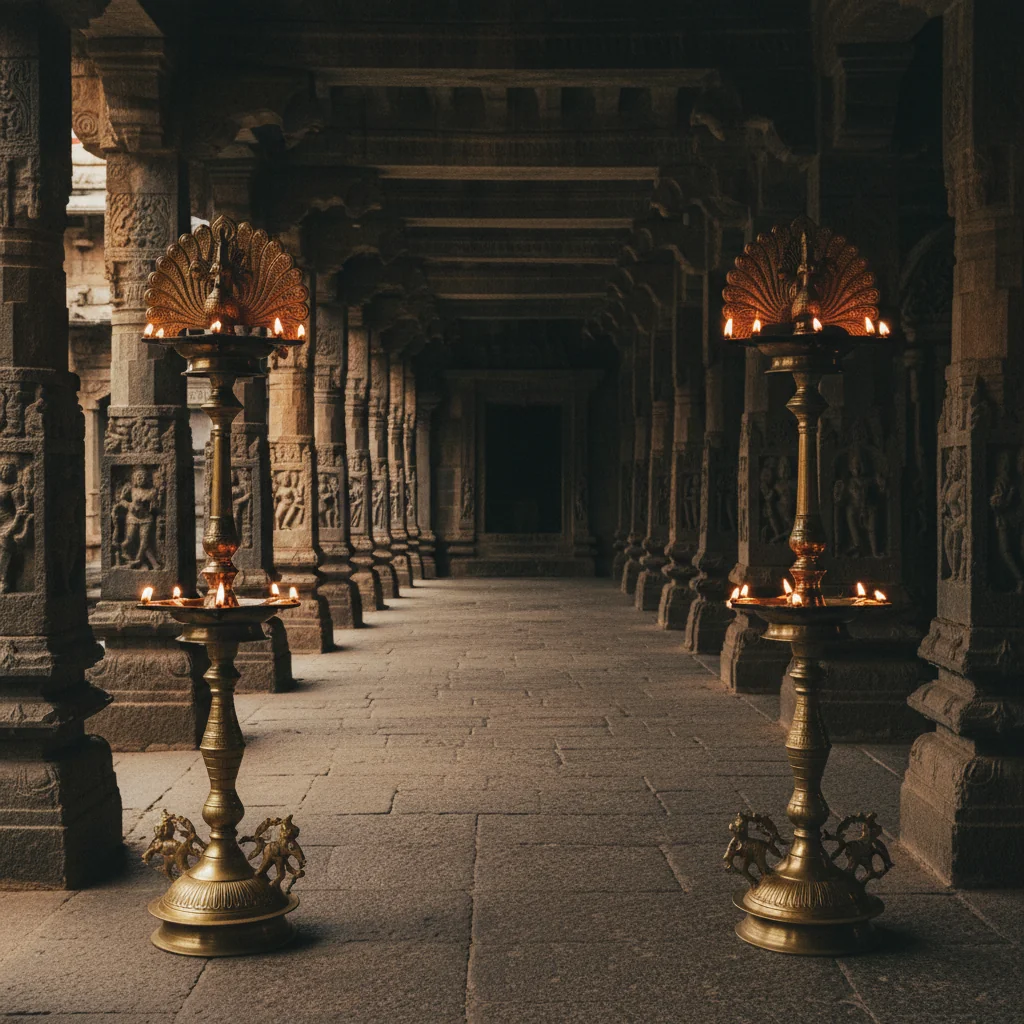
In Vedic spiritual science, Kalabhairava Ashtakam Kashi Bhairav Fearlessness Path serves as a sacred bridge between individual human consciousness and cosmic grace. Scriptural practice demonstrates that chanting sacred mantras, reciting daily stotrams, and adhering to time-tested ritual protocols awakens profound inner peace, resolves karmic obstructions, and purifies life energies.
Devotional Guidance: Authoritative Clarifications to Complex Practical Doubts
Composed by Adi Shankaracharya in Kashi, this eight-verse hymn obliterates the terror of death, cleanses stubborn past-life sins, and incinerates the shadow of malevolent spirits. Rooted in traditional scriptures such as Adi Shankaracharya Kalabhairava Ashtakam, this sacred practice aligns mind, body, and breath with benevolent universal vibrations.
| Spiritual Dimension | Classical Principle | Practical Daily Impact |
|---|---|---|
| Primary Deity & Energy | Lord Kalabhairava, Kotwal of Kashi, master of cosmic time, punisher of sins, and liberator of souls | Invokes divine protection, inner courage, and spiritual radiance. |
| Vedic Metre & Shloka | Adi Shankaracharya Kalabhairava Ashtakam | Phonetic resonance clears energetic blockages across chakras. |
| Ideal Timings (Muhurta) | Tuesday and Sunday evenings (Sandhya to night), or during Kalashtami and Krishna Paksha Chaturdashi | Maximizes sattvic receptivity and mental concentration. |
| Sacred Samagri & Offerings | Mustard oil lamp, black sesame seeds, black pepper, blue flowers, imarti or jalebi, and vibhuti | Purifies the altar atmosphere and delights divine presences. |
| Prohibitions & Restrictions | Chanting while drunk, lying, insulting teachers or ascetics, and displaying arrogance | Shields the practitioner from ritual dilution and negative energy. |
Authentic Vedic Scripture and Sacred Shloka
Classical texts emphasize the importance of exact Sanskrit pronunciation and reverent understanding. From Adi Shankaracharya Kalabhairava Ashtakam, the foundational verse states:
॥ देवराजसेव्यमानपावनाङ्घ्रिपङ्कजं व्यालयज्ञसूत्रमिन्दुशेखरं कृपाकरम्। नारदादियोगिवृन्दवन्दितं दिगम्बरं काशिकापुराधिनाथकालभैरवं भजे॥ ॥
Translation: “I worship Lord Kalabhairava, the eternal Sovereign Ruler of the sacred city of Kashi, whose holy lotus feet are served by Indra, who wears a serpent as His sacred thread, whose crest is adorned by the crescent moon, the supremely compassionate one.”
Step-by-Step Daily Practice and Practical Ritual Rules
Light a mustard oil lamp facing South or West on Tuesday or Sunday night, apply vibhuti on your forehead, and recite the 8 stanzas with deep reverent resonance.
- Preparation & Purity: Take a fresh bath, wear clean unstitched or comfortable cotton clothes, and light a pure cow ghee or sesame oil lamp facing East or North.
- Sankalpa (Intention): Take a few drops of water in your right palm, state your name, gotra, and purpose with heartfelt devotion, and release the water onto the plate.
- Sacred Chanting: Recite the sacred verses with steady, rhythmic breathing without rushing or slurring words.
- Aarti & Samarpan: Conclude by offering flowers, fragrant dhoop, and sincere gratitude, seeking forgiveness for any unintentional omissions.
Classical Phala Shruti and Verified Life Merits
Dedicated adherence to this sacred practice bestows tangible positive transformations: Complete liberation from fear of death and dark forces, peaceful mental fortitude, release from recurring nightmares, and spiritual awakening.
Frequently Asked Questions on Sacred Practice
Why is Lord Kalabhairava revered as the supreme ruler (Kotwal) of the holy city of Kashi?
Lord Shiva appointed Kalabhairava as the eternal guardian of Kashi to administer karmic purification and grant liberation to all who enter the sacred threshold.
Can reciting Kalabhairava Ashtakam cure chronic nightmares and sleep paralysis?
Yes; the powerful acoustic metre cleanses the sub-conscious ether, neutralizing astral disturbances that provoke nightmares and night terrors.
Why did Adi Shankaracharya compose this hymn in Kashi?
Adi Shankaracharya composed it to seek Kalabhairava’s permission and grace after witnessing His supreme role in transmuting earthly karma into divine wisdom.
Content published on Kriyasya Pulse represents editorial and educational insights uniting traditional wisdom with contemporary research. Readers are encouraged to apply discernment and seek qualified guidance where appropriate.