

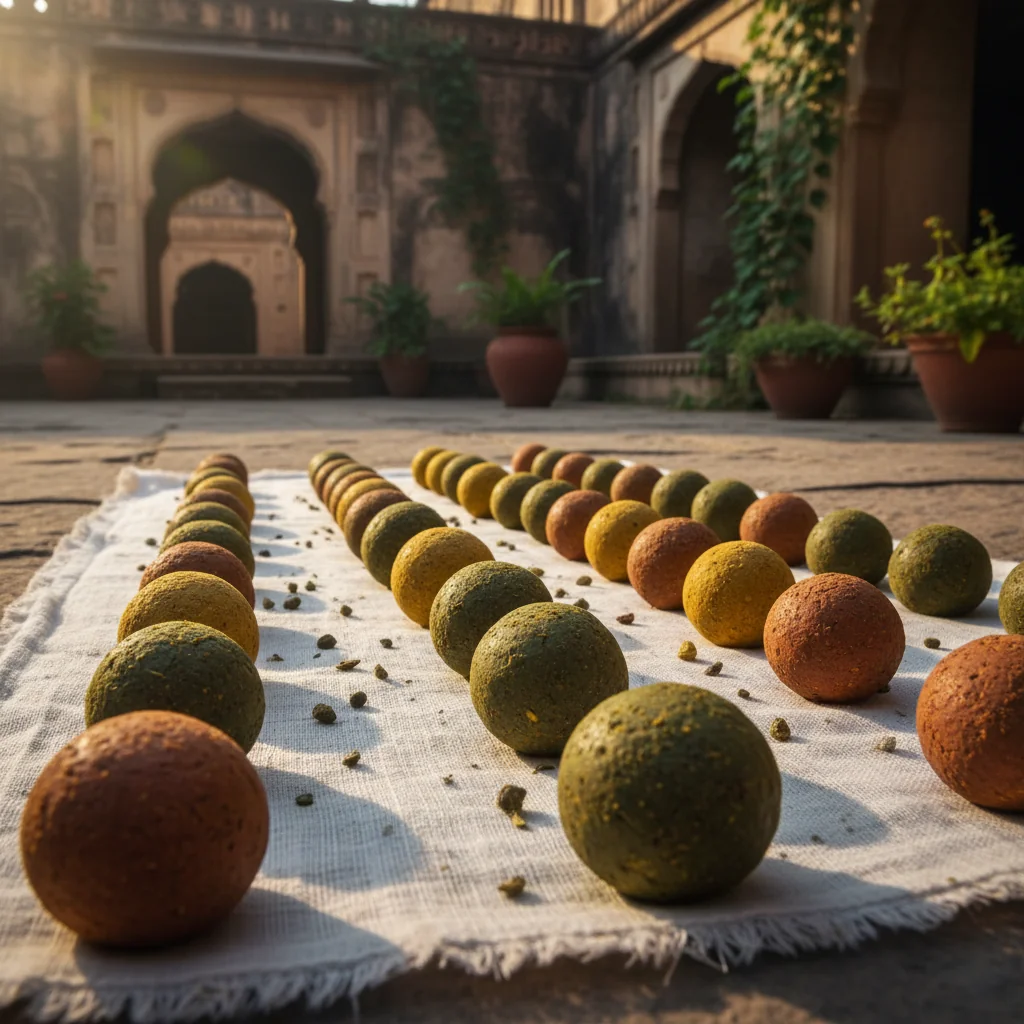
The festival calendar of Sanatana Dharma—known as Utsava (derived from Ut meaning upward or removal, and Sava meaning worldly generation or sorrow, signifying that which elevates human consciousness above worldly grief)—is an ingenious harmonization of astronomical cosmic shifts, seasonal agriculture, and esoteric spiritual sadhana. Far from being mere festive revelry or social gatherings, major Hindu festivals like Diwali, Maha Shivratri, Navratri, Holi, and Janmashtami mark planetary alignments where the Earth’s subtle electromagnetic field is exceptionally receptive to divine grace. The Hindu Festival Ritual Guide Portal provides complete step-by-step puja vidhis, authentic samagri checklists, auspicious Shubh Muhurat windows, fasting (vrat) guidelines, and spiritual allegories for every major and minor Hindu festival throughout the lunar year.
⚖️ Wellness & Legal Safety Disclaimer
This digital self-help exercise and informational guide are intended solely for educational, psychoeducational, and general personal wellness purposes. It does not constitute medical advice, clinical psychological assessment, psychiatric treatment, or a formal therapeutic relationship. Wellbeing exercises affect individuals differently; discontinue any somatic or cognitive practice that elicits distress and consult a licensed healthcare professional.
Emergency Crisis Resources: If you are experiencing acute psychological distress, panic crisis, or thoughts of self-harm, please reach out immediately to qualified emergency support services: Tele-MANAS (14416 / 1800-891-4416), KIRAN Mental Health Support (1800-599-0019, 24×7), or National Emergency Services (112 in India, 988 in the US/Canada).
The Astronomical & Spiritual Essence of Major Hindu Festivals
| Sacred Festival | Astronomical Lunar Alignment | Core Spiritual Sadhana & Cosmic Grace |
|---|---|---|
| Maha Shivratri | Magha / Phalguna Krishna Chaturdashi (Night of Shiva) | Natural upsurge of spiritual energy along the spinal column; all-night vigil (Jagaran) and four-prahar Jalabhisheka dissolve accumulated karmic knots. |
| Sharad & Chaitra Navratri | Equinoctial seasonal junction (Ritu Sandhi) | Nine nights dedicated to purifying the nine subtle chakras through Durga Saptashati reading, fasting, and invoking primal Shakti. |
| Diwali (Deepavali) | Kartik Amavasya (Darkest New Moon) | Conquering inner spiritual darkness with rows of pure ghee/mustard oil lamps; Shodashopachara Lakshmi-Ganesha puja for righteous prosperity. |
| Krishna Janmashtami | Bhadrapada Krishna Ashtami (Rohini Nakshatra, Midnight) | Birth of divine wisdom amidst the dark prison of worldly illusion; midnight abhishek of Laddu Gopal and celebratory fasting. |
Three Guidelines for Authentic Festival Observance at Home
- Prioritize Spiritual Sadhana Over Commercialism: Celebrate with clean satvik decorations, natural earthen diyas, and authentic home-prepared prasad rather than commercial excess.
- Observe Shubh Muhurat Precisely: Plan puja ceremonies during the designated Choghadiya or Pradosh Kaal windows to maximize planetary harmony.
- Practice Dana (Charity): True festive completion requires sharing food, clothes, and sweets with the underprivileged before sitting down to family feasts.
Frequently Asked Questions
Why do Hindu festival dates change every year on the English calendar?
Hindu festivals follow the Luni-Solar calendar (Panchang), which maps exact astronomical movements of the Sun and Moon. Because a lunar year is approximately 354 days compared to the solar 365-day Gregorian calendar, festival dates shift each year.
What is the spiritual significance of fasting during Navratri?
Navratri falls precisely during seasonal transitions (Ritu Sandhi) when human biological immunity is vulnerable. Fasting purges accumulated bodily toxins, resets digestive fire, and sharpens mental focus for intense prayer.
Content published on Kriyasya Pulse represents editorial and educational insights uniting traditional wisdom with contemporary research. Readers are encouraged to apply discernment and seek qualified guidance where appropriate.