

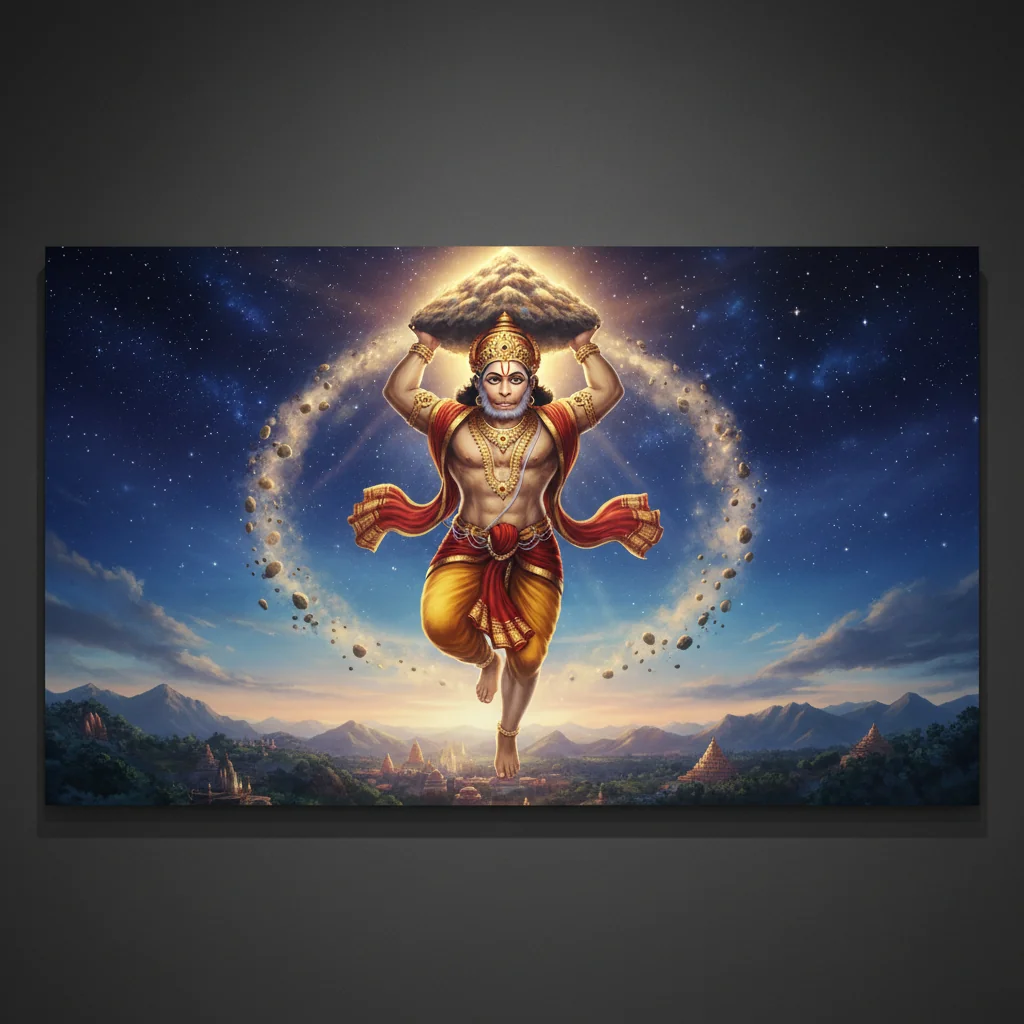
In Vedic spiritual science, Hanuman Aarti & Bajrang Baan Daily Protection Chanting serves as a sacred bridge between individual human consciousness and cosmic grace. Scriptural practice demonstrates that chanting sacred mantras, reciting daily stotrams, and adhering to time-tested ritual protocols awakens profound inner peace, resolves karmic obstructions, and purifies life energies.
Planetary Alignment and Karmic Purification: Counteracting Graha Doshas through Devotion
Bajrang Baan invokes the ultimate sacred oath of Lord Sri Rama upon Hanuman. It is a high-intensity metaphysical arrow that strikes down acute demonic afflictions and life-threatening traps. Rooted in traditional scriptures such as Goswami Tulsidas Ramcharitmanas & Bajrang Baan Canonical Text, this sacred practice aligns mind, body, and breath with benevolent universal vibrations.
| Spiritual Dimension | Classical Principle | Practical Daily Impact |
|---|---|---|
| Primary Deity & Energy | Lord Hanuman (Rudra Avatara & Mahavira), supreme warrior of righteousness, destroyer of evil and suffering | Invokes divine protection, inner courage, and spiritual radiance. |
| Vedic Metre & Shloka | Goswami Tulsidas Ramcharitmanas & Bajrang Baan Canonical Text | Phonetic resonance clears energetic blockages across chakras. |
| Ideal Timings (Muhurta) | Tuesdays and Saturdays during sunrise dawn or sunset dusk; Bajrang Baan only during severe crises | Maximizes sattvic receptivity and mental concentration. |
| Sacred Samagri & Offerings | Mustard or jasmine oil lamp with red wick, sindoor, betel leaf (Paan), jaggery, and boondi laddoos | Purifies the altar atmosphere and delights divine presences. |
| Prohibitions & Restrictions | Chanting Bajrang Baan for trivial selfish wishes, taking Lord Rama’s oath lightly, and eating non-vegetarian food | Shields the practitioner from ritual dilution and negative energy. |
Authentic Vedic Scripture and Sacred Shloka
Classical texts emphasize the importance of exact Sanskrit pronunciation and reverent understanding. From Goswami Tulsidas Ramcharitmanas & Bajrang Baan Canonical Text, the foundational verse states:
॥ आरती कीजै हनुमान लला की। दुष्ट दलन रघुनाथ कला की॥ जाके बल से गिरिवर कांपै। रोग दोष जाके निकट न झांपै॥ ॥
Translation: “Perform the holy aarti of darling Hanuman, the crusher of the wicked, the glorious radiance of Lord Raghunatha; by whose immense strength mighty mountains tremble, and near whom diseases and flaws dare not linger.”
Step-by-Step Daily Practice and Practical Ritual Rules
Sit on a red woollen asana, light a jasmine or mustard oil diya, offer a sweet betel leaf with cloves, sing the holy Aarti, and recite Bajrang Baan with absolute reverence.
- Preparation & Purity: Take a fresh bath, wear clean unstitched or comfortable cotton clothes, and light a pure cow ghee or sesame oil lamp facing East or North.
- Sankalpa (Intention): Take a few drops of water in your right palm, state your name, gotra, and purpose with heartfelt devotion, and release the water onto the plate.
- Sacred Chanting: Recite the sacred verses with steady, rhythmic breathing without rushing or slurring words.
- Aarti & Samarpan: Conclude by offering flowers, fragrant dhoop, and sincere gratitude, seeking forgiveness for any unintentional omissions.
Classical Phala Shruti and Verified Life Merits
Dedicated adherence to this sacred practice bestows tangible positive transformations: Immediate neutralization of black magic and witchcraft, miraculous escape from grave accidents, recovery from fatal illnesses, and fearlessness.
Frequently Asked Questions on Sacred Practice
Why do elders advise against reciting Bajrang Baan casually for minor trivial matters?
Bajrang Baan binds Lord Hanuman through the sacred oath of Lord Rama (‘Inhe Maru Tohi Janaka Suta Ki Dohai’); invoking the supreme master’s oath for trivialities is strictly inappropriate.
What is the unique spiritual benefit of performing Hanuman Aarti with camphor and cloves?
Camphor cleanses spatial psychic vibrations, while cloves pacify negative planetary afflictions (Rahu-Ketu), clearing the room instantly.
Why is Lord Hanuman offered a betel leaf (Meetha Paan) prepared without tobacco or lime?
Puranic traditions recount that Goddess Sita offered Hanuman a garland of fresh betel leaves in Ashok Vatika; paan pleases Him immensely.
Content published on Kriyasya Pulse represents editorial and educational insights uniting traditional wisdom with contemporary research. Readers are encouraged to apply discernment and seek qualified guidance where appropriate.