

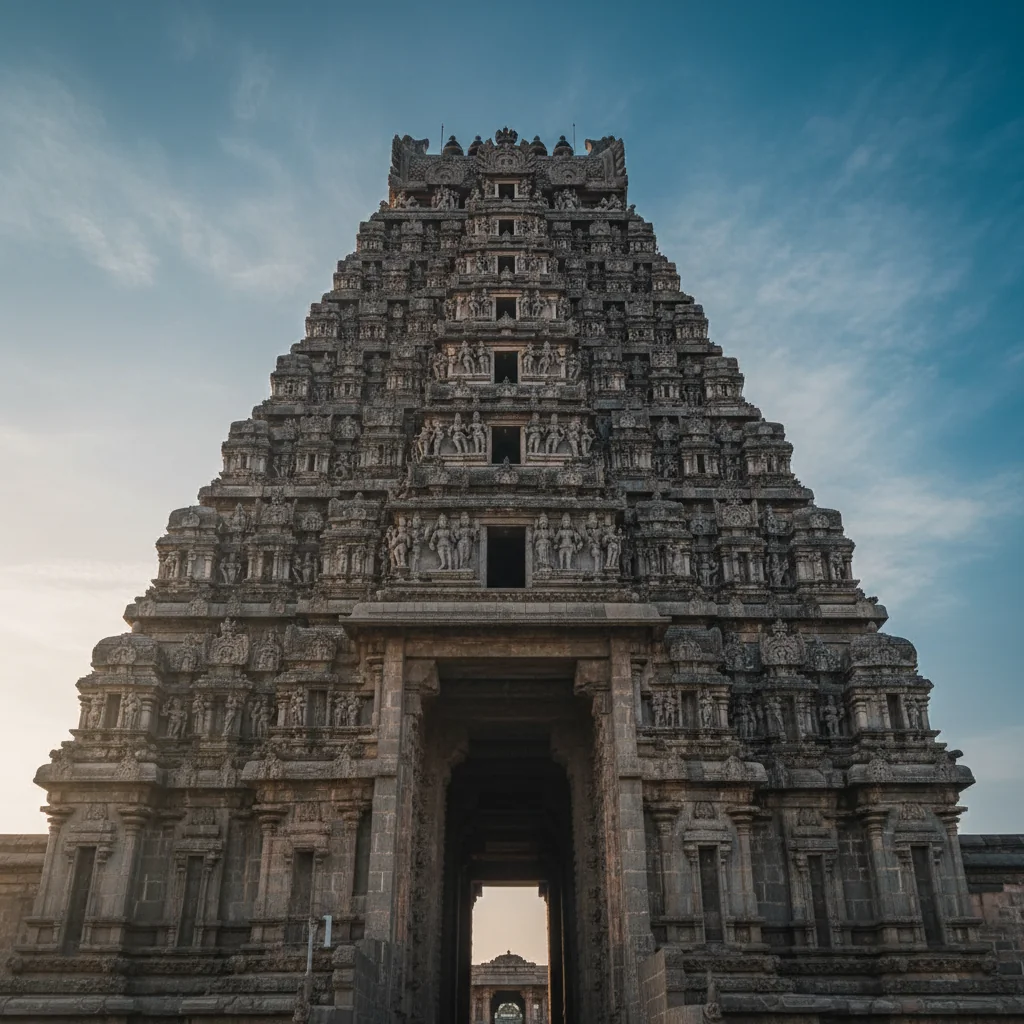
In Vedic spiritual science, Diya Lighting Rules, Ghee vs Oil Lamp & Flame Direction serves as a sacred bridge between individual human consciousness and cosmic grace. Scriptural practice demonstrates that chanting sacred mantras, reciting daily stotrams, and adhering to time-tested ritual protocols awakens profound inner peace, resolves karmic obstructions, and purifies life energies.
Sacred Timing and Ritual Protocols: Muhurta, Direction, Asana, and Mala Rules
The flame of the diya represents the inner soul (Atman) burning bright amidst the darkness of ignorance. A pure cow ghee flame purifies the atmosphere with airborne ozone and negative ions. Rooted in traditional scriptures such as Skanda Purana & Varaha Purana Deepa Mahatmya, this sacred practice aligns mind, body, and breath with benevolent universal vibrations.
| Spiritual Dimension | Classical Principle | Practical Daily Impact |
|---|---|---|
| Primary Deity & Energy | Agni Deva (Divine Fire Element), supreme purifier, carrier of human prayers to the celestial realms | Invokes divine protection, inner courage, and spiritual radiance. |
| Vedic Metre & Shloka | Skanda Purana & Varaha Purana Deepa Mahatmya | Phonetic resonance clears energetic blockages across chakras. |
| Ideal Timings (Muhurta) | Both morning (Sandhya dawn) and evening (Goddhuli twilight dusk) without fail | Maximizes sattvic receptivity and mental concentration. |
| Sacred Samagri & Offerings | Pure cow ghee with a standing round cotton wick (Phool Batti), or sesame/mustard oil with a long flat wick (Lambi Batti) | Purifies the altar atmosphere and delights divine presences. |
| Prohibitions & Restrictions | Lighting a ghee lamp on left side of deity, pointing flame towards South, blowing out flame with mouth, and cracked clay diyas | Shields the practitioner from ritual dilution and negative energy. |
Authentic Vedic Scripture and Sacred Shloka
Classical texts emphasize the importance of exact Sanskrit pronunciation and reverent understanding. From Skanda Purana & Varaha Purana Deepa Mahatmya, the foundational verse states:
॥ दीपज्योतिः परं ब्रह्म दीपज्योतिर्जनार्दनः। दीपो हरतु मे पापं दीपज्योतिर्नमोऽस्तु ते॥ ॥
Translation: “The light of the lamp is Supreme Brahman, the light of the lamp is Lord Janardana Himself; may this divine flame dispel all my sins and negative darkness—salutations unto the holy lamp.”
Step-by-Step Daily Practice and Practical Ritual Rules
Place the cow ghee lamp on the right side of the deity (your left) with a round wick, or sesame oil lamp on the left side (your right) with a long wick facing East or North.
- Preparation & Purity: Take a fresh bath, wear clean unstitched or comfortable cotton clothes, and light a pure cow ghee or sesame oil lamp facing East or North.
- Sankalpa (Intention): Take a few drops of water in your right palm, state your name, gotra, and purpose with heartfelt devotion, and release the water onto the plate.
- Sacred Chanting: Recite the sacred verses with steady, rhythmic breathing without rushing or slurring words.
- Aarti & Samarpan: Conclude by offering flowers, fragrant dhoop, and sincere gratitude, seeking forgiveness for any unintentional omissions.
Classical Phala Shruti and Verified Life Merits
Dedicated adherence to this sacred practice bestows tangible positive transformations: Banishment of negative energetic stagnation, sharp mental intellect in household members, radiant positivity, and divine presence.
Frequently Asked Questions on Sacred Practice
Why must a Diya flame never be pointed towards the South direction?
The South is ruled by Yama (the lord of death) and ancestors; pointing the flame South attracts loss of vitality, whereas East or North attracts health and wealth.
What is the symbolic difference between a Round Wick (Phool Batti) and Long Wick (Lambi Batti)?
A round standing wick represents upward spiritual ascension and is used for Supreme Deities (Vishnu, Shiva); a long wick represents lineage expansion and is used for Goddesses and ancestors.
Why is blowing out a sacred flame with human breath considered a sin?
Breath contains oral saliva particles (Uchchishta); blowing with breath contaminates the sacred Agni element; gently fan with hand instead.
Content published on Kriyasya Pulse represents editorial and educational insights uniting traditional wisdom with contemporary research. Readers are encouraged to apply discernment and seek qualified guidance where appropriate.