

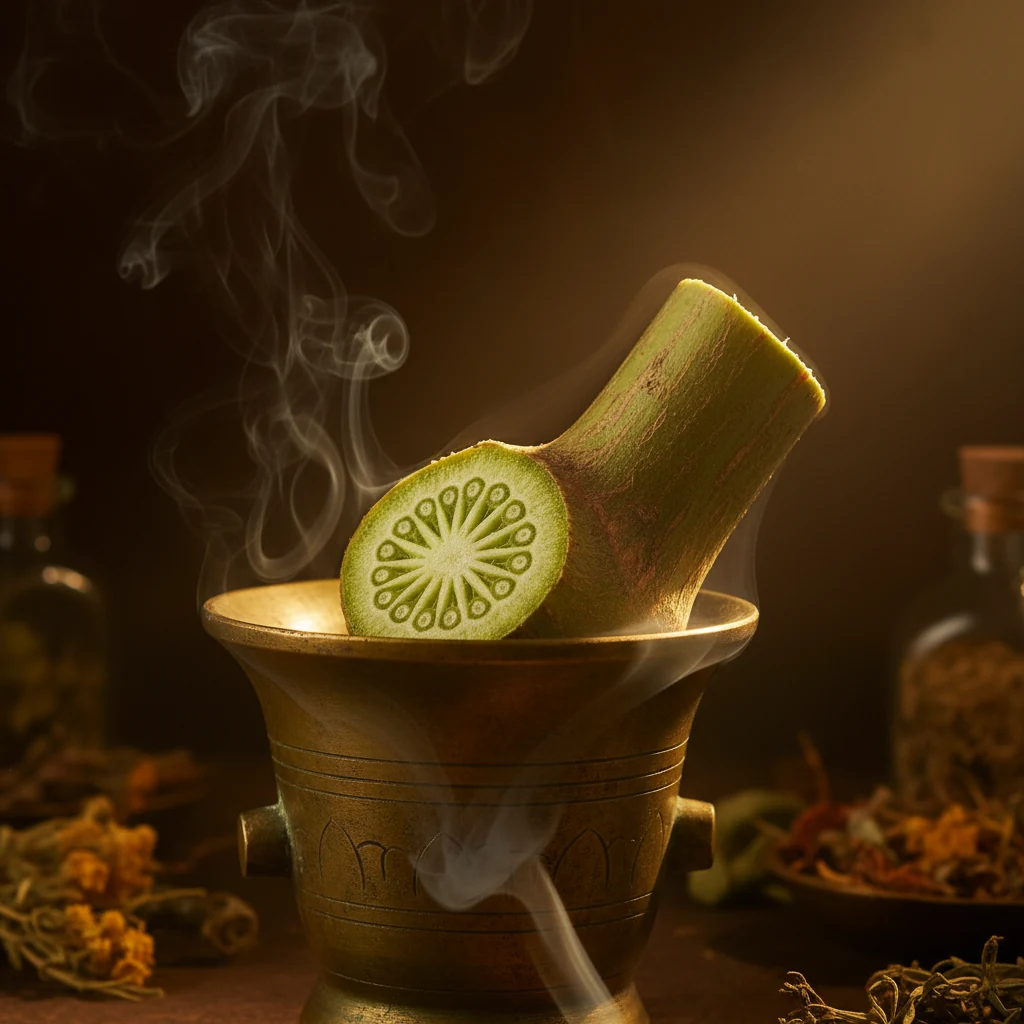
In classical Ayurveda, optimal health is defined as the harmonious equilibrium of the biological doshas (Vata, Pitta, and Kapha), vibrant digestive fire (Agni), nourished bodily tissues (Dhatus), and serene sensory contentment. When studying Dhatu Kshaya and Ojas Depletion: Chronic Fatigue and Vitality Loss, ancient texts including the Charaka Samhita and Sushruta Samhita offer clear therapeutic insights to restore holistic balance.
Core Clinical Concept: Dhatu Kshaya & Ojas Loss
Ayurvedic Insight Summary:
Dhatu Kshaya & Ojas Loss represents the systemic depletion of the seven bodily tissues (Rasa, Rakta, Mamsa, Meda, Asthi, Majja, Shukra) and their ultimate luminous nectar (Ojas), causing deep physical exhaustion, emotional fear, and loss of aura. By balancing bodily energies, eliminating metabolic toxins, and observing mindful lifestyle rhythms, lasting systemic vitality is cultivated naturally.
Classical Ayurvedic philosophy teaches that every bodily disturbance begins with impaired digestion and the accumulation of undigested toxins, known as Ama. Under the influence of Shukra (Venus) & Soma Tattva (The Cooling Nectar of Life), internal channels (Srotas) require nurturing attention, gentle detoxification, and mindful dietary alignment.
Doshic Blueprint & Systemic Dynamics
| Clinical Attribute | Ayurvedic Specification | Therapeutic Significance |
|---|---|---|
| Primary Biological Element | Shukra (Venus) & Soma Tattva (The Cooling Nectar of Life) | Fundamental energetic quality governing physiological responses |
| Favorable Therapeutic Inputs | Nourishing Rasayana tonics, soaked almonds, dates, and pure A2 cow milk | Nourishing foods, supportive herbs, and stabilizing routines |
| Pathological Aggravators | Chronic sleeplessness, excessive sexual dissipation, and extreme starvation diets | Incompatible food pairings, excessive stressors, and erratic habits |
| Optimal Times & Environments | Monday and Friday; Peaceful North and North-East directions | Auspicious diurnal rhythms and restful spatial surroundings |
| Therapeutic Colors & Elements | Pure milk white, soft pearlescent cream, and vibrant gold | Harmonizing visual, environmental, and chromatic vibrations |
Classical Scriptural Foundation
Traditional treatises such as the Charaka Samhita Sutrasthana Chapter 17 elucidate the foundational mechanics governing this physiological harmony:
“ओजस्तु तेजो धातूनां रसस्तस्य परो मतः। हृदि तिष्ठति यच्छुद्धं लोहितं पीतकं भवेत्॥”
— Classical Sanskrit Reference (Charaka Samhita Sutrasthana Chapter 17)
English Translation: “Ojas is the supreme essence of all seven bodily tissues, residing primarily in the heart. Pure, radiant, red with golden hue, its presence sustains life and its loss induces systemic decay.”
This classical verse highlights that when internal equilibrium is respected, the body’s innate intelligence restores harmony without harsh interventions.
Pathya vs. Apathya: Dietary & Lifestyle Guidance
Maintaining biological homeostasis requires conscious discrimination between pathya (wholesome inputs that nourish tissues) and apathya (unwholesome habits that obstruct channels):
- Wholesome Regimens (Pathya): Chyawanprash, Ashwagandha lehyam, soaked almond milk with cardamom, saffron, fresh dates.
- Unwholesome Practices to Avoid (Apathya): Smoking, violent anger, excessive mental strain, fasting when emaciated, dry processed meals.
- Subconscious & Mental Equilibrium: Depleted Ojas indicates that you are giving away more energy than you regenerate. Close your energetic leaks, say no to exhausting demands, and rest deeply in sacred self-care.
Step-by-Step Ayurvedic Restoration Protocol
- Morning Cleansing Ritual: Wake during the calm pre-dawn hours, scrape your tongue with pure copper, and drink warm water to stimulate peristalsis.
- Gentle Snehana & Abhyanga: Massage warm herbal sesame or coconut oil onto joints and scalp to calm the nervous system and soothe excess Vata.
- Therapeutic Herbal Ingestion: Drink warm spiced almond milk with saffron and Shatavari; practice 30 minutes of Yoga Nidra daily; apply warm ghee to temples before sleep.
- Mindful Midday Nutrition: Consume your largest, freshly prepared meal when the digestive fire is strongest between 12:00 PM and 1:30 PM.
- Evening Restoration: Detach from digital devices one hour before resting; drink warm golden milk infused with nutmeg or turmeric for restorative sleep.
Frequently Asked Questions
Q1: What are the psychological symptoms of depleted Ojas?
A1: Persistent unfounded fear, paranoia, sensitivity to noise and light, chronic anxiety, and feeling emotionally fragile.
Q2: How long does it take for the body to regenerate depleted Ojas?
A2: It takes approximately 30 to 35 days for digested food to transmute sequentially through all seven Dhatus into pure Ojas.
Q3: Why is quality sleep considered the primary protector of Ojas?
A3: During deep delta-wave sleep, the anabolic Soma fluids replenish cellular tissues and repair the immune barrier.
Summary & Holistic Takeaways
True healing in Ayurveda is a gradual, compassionate realignment with nature’s wisdom. By incorporating balanced nutrition, seasonal awareness, and targeted herbal remedies, Dhatu Kshaya & Ojas Loss serves as an empowering gateway to lifelong vitality and enduring serenity.
Lyrics, hymns, and spiritual verses displayed on Kriyasya are presented strictly for cultural, devotional, and educational purposes under the Fair Use doctrine. We deeply revere all original composers, traditional lyricists, and recording artists, and do not promote copyright infringement. If you enjoy this music, please support the artists by purchasing their official releases on licensed platforms such as YouTube Music, Spotify, Gaana, JioSaavn, and Apple Music. Copyright owners or authorized representatives may contact us directly at [email protected] regarding any content verification or takedown requests; our compliance desk reviews and resolves all legitimate notices within 48 hours.