

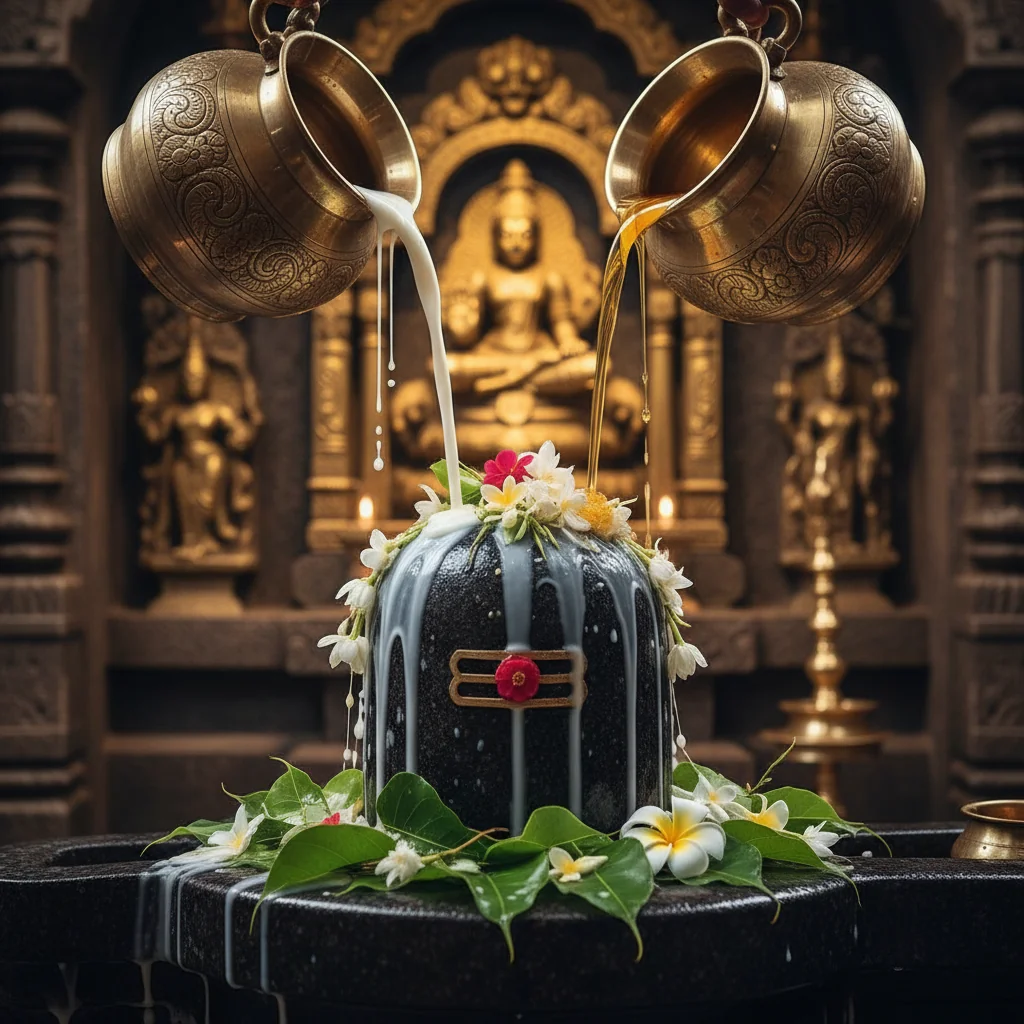
The sacred tradition of mantra and stotra recitation in Sanatana Dharma represents an unbroken lineage of sonic metaphysics, where precise Sanskrit phonetics harmonize the human neuro-endocrine network with universal cosmic intelligence. Practicing Subramanya Bhujangam: Adi Shankara’s Serpent-Metred Hymn and Neural Healing is an extraordinary discipline cultivating deep somatic calm, spiritual fortitude, and divine alignment.
Definitive Essence of Subramanya Bhujangam
In the classical scriptural paradigm of Adi Shankaracharya Stotravali, sound vibration (Shabda Brahman) is recognized as the primordial creative force. Chanting this sacred hymn bridges individual consciousness with divine archetypes, clearing deep-seated emotional knots (Granthis) and bestowing immense clarity.
Sacred Sanskrit Verses and English Meaning
सदा बालरूपाऽपि विघ्नाद्रिहन्त्री महादन्तिवक्त्राऽपि पञ्चास्यमान्या। विधीन्द्रादिमृग्या गणेषाभिधा मे मनोमन्दिरे सुप्रसन्ना लसन्तु॥
Adi Shankaracharya Stotravali
Translation & Insight: Though ever appearing as a child, You crush the mountains of obstacles; though worshipped by Indra and Brahma, You dwell in my heart-temple. May Lord Ganesha and Lord Guha shine with supreme grace within me!
This verse encapsulates the divine potency of the sadhana. Regular contemplation upon its subtle meaning reorganizes subconscious thought patterns, shielding the practitioner from discordant mental static.
Comprehensive Metaphysical & Practice Matrix
| Spiritual Dimension | Sacred Specification | Practical Application |
|---|---|---|
| Presiding Energy & Element | Lord Murugan (Kartikeya) / Agni & Tejas (Fiery Cleansing of Toxins) | Directs higher pranic currents into the spiritual heart |
| Auspicious Timings & Orientation | Tuesday, Skanda Sashti, Krittika Nakshatra; Facing East | Maximizes bio-magnetic resonance during quiet hours |
| Resonant Colors & Sanctum | Blazing saffron, peacock feather emerald, and golden red | Harmonizes the subtle aura and visual focus |
| Supportive Ritual Elements | Vibhuti (sacred ash) offering, lighting a ghee lamp, offering sweet panchamrita | Anchors the physical body in grounded readiness |
| Recommended Japa Protocols | Reciting with steady undulating melodic rhythm on Tuesday or Sashti tithis | Stabilizes mental rhythm across 108-bead cycles |
| Chanting Errors to Avoid | Breaking the fluid poetic meter with abrupt disjointed pauses | Prevents vocal strain and phonetic distortion |
| Strict Prohibitions | Chanting while harboring malice toward siblings or displaying physical cowardice | Protects spiritual boundaries and psychic sanctity |
Step-by-Step Daily Sadhana Protocol
- Sanctum Purification (Shaucha): Cleanse the body, wear clean loose natural fabrics, and sit upon an insulated woolen or kushagrass mat facing East or North.
- Deep Breathing & Grounding: Practice 5 minutes of slow diaphragmatic Nadi Shodhana breathing to settle sympathetic nervous excitability.
- Sankalpa & Inner Intention: Hold a few drops of water in your right palm; declare your sacred intention for spiritual purification and universal welfare.
- Attuned Chanting: Recite Subramanya Bhujangam with unbroken awareness, synchronized breath, and rhythmic phonetics without rushing.
- Silent Contemplation: Sit in undisturbed silence for at least 5 minutes post-chanting to absorb the sublime acoustic resonance into every cell.
Subconscious Wisdom and Mindful Living
No illness or karmic knot is permanent. When the fire of divine will is kindled, the poison of suffering transforms into the nectar of resilient wisdom.
True spiritual discipline does not belong to isolated retreats alone; it is lived in everyday integrity. When your thoughts, speech, and deeds align with the truth praised in this sacred hymn, lasting tranquility becomes your natural state.
Master Remedies and Daily Integration
Recite Subramanya Bhujangam on Tuesdays and apply consecrated sacred ash (Vibhuti) to the forehead to heal chronic somatic ailments.
Frequently Asked Questions
Why is this hymn called ‘Bhujangam’?
Because it is composed in the Bhujanga-Prayata meter, where words flow with the rhythmic, undulating grace of a moving serpent.
Why did Adi Shankara compose it at Tiruchendur?
Tradition records that Shankara suffered from severe abdominal pain caused by an occult attack; meditating upon Lord Murugan at Tiruchendur healed him instantly.
Does Subramanya Bhujangam pacify Sarpa Dosha and Kuja (Mars) Dosha?
Yes, Lord Murugan is the supreme sovereign of all serpentine forces (Nagas) and the presiding deity of Mars, neutralizing afflictions.
Lyrics, hymns, and spiritual verses displayed on Kriyasya are presented strictly for cultural, devotional, and educational purposes under the Fair Use doctrine. We deeply revere all original composers, traditional lyricists, and recording artists, and do not promote copyright infringement. If you enjoy this music, please support the artists by purchasing their official releases on licensed platforms such as YouTube Music, Spotify, Gaana, JioSaavn, and Apple Music. Copyright owners or authorized representatives may contact us directly at [email protected] regarding any content verification or takedown requests; our compliance desk reviews and resolves all legitimate notices within 48 hours.