

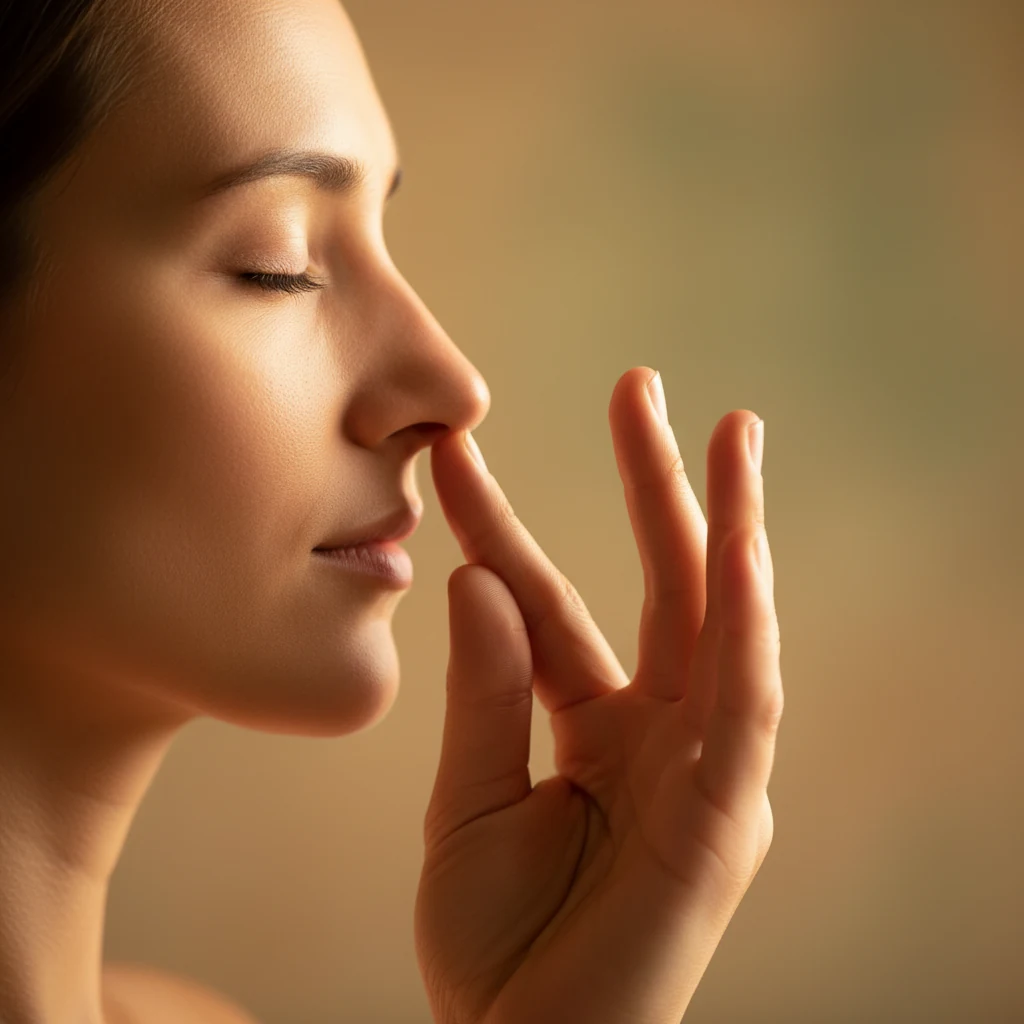
In classical Hatha Yoga and the Patanjali Yoga Sutras, physical postures (Asanas) are not merely gymnastics; they are psycho-somatic instruments designed to stabilize the physical body, purify the subtle energy channels (Nadis), and still mental fluctuations. When exploring Bhramari: Humming Bee Breath, Nitric Oxide Surges and Neuro-Acoustic Calming, traditional treatises including the Hatha Yoga Pradipika and Gheranda Samhita offer profound wisdom for complete spiritual and physical alignment.
Core Yogic Archetype: Bhramari Humming Breath
Yogic Summary & Key Essence:
Bhramari Humming Breath embodies the celestial humming vibration of the black bumblebee that dissolves neurotic mental fluctuations and bathes brain cells in soothing alpha waves. By harmonizing the physical stance, steadying the gaze (Drishti), and channeling the breath, cellular tranquility and profound core stability are realized effortlessly.
The sacred texts proclaim: Sthira-sukham asanam—posture must be steady and easeful. Governed by Akasha & Nada Tattva (Sound Vibration & Inner Acoustic Space), practicing this posture refines bodily awareness, opens dormant nadis, and prepares the practitioner for advanced pranayama and meditation.
Technical Alignment & Structural Matrix
| Practice Attribute | Classical Specification | Energetic Significance |
|---|---|---|
| Primary Element & Energy | Akasha & Nada Tattva (Sound Vibration & Inner Acoustic Space) | Fundamental bio-energetic force governing physiological benefits |
| Favorable Alignment Points | Closing senses with Shanmukhi Mudra and sustaining a continuous smooth humming buzz on exhalation | Joint stabilization, muscular engagement, and spine elongation |
| Common Misalignments | Pressing thumbs too deeply into ears, creating high-pitched screeching, or clenching teeth | Postural collapses, compressed joints, and erratic breathing patterns |
| Optimal Times & Directions | Late evening before bed or midnight quiet; Facing North in dim lighting | Auspicious diurnal rhythms and magnetic orientational flow |
| Chakra & Aura Focus | Deep velvety black, royal midnight blue, and golden honeycomb | Energetic vortex resonance and subtle auric elevation |
Classical Scriptural Reference
Traditional authority from the Hatha Yoga Pradipika 2.68 & Gheranda Samhita articulates the authentic spiritual mechanics of this practice:
“वेगाद् घोषं पूरकं भृङ्गनादं भृङ्गीनादं रेचकं मन्दमन्दम्। योगीन्द्राणामेवमभ्यासयोगाच्चित्ते जाता काचिदानन्दलीला॥”
— Classical Sanskrit Reference (Hatha Yoga Pradipika 2.68 & Gheranda Samhita)
English Translation: “Inhaling with the resonance of a male bee and exhaling with the gentle hum of a female bee—through this practice, supreme bliss awakens in the yogi’s heart.”
This verse highlights that mastery over physical postures is not achieved through aggressive force, but through gradual relaxation of effort and contemplative merging with the infinite.
Therapeutic Benefits vs. Contraindications
Practicing yoga safely requires discerning between beneficial alignment cues and physical limitations that warrant caution:
- Therapeutic Benefits & Alignment: Soft eyes, teeth slightly separated with tongue resting behind upper teeth, peaceful room.
- Contraindications & Precautions: Active middle ear infections, ear discharge, or severe mastoiditis episodes.
- Subconscious & Meditative Meaning: Bhramari turns your senses inward. When external chaos overwhelms you, the sacred bee hum restores self-containment and deep psychological safety.
Step-by-Step Practice Protocol
- Grounding & Centering: Stand or sit tall on your mat, close your eyes, and take 3 deep diaphragmatic breaths to center your awareness in the present moment.
- Structural Foundation: Anchor your contact points firmly into the earth, engaging your core muscles without locking adjacent joints.
- Breath Synchronization: Inhale to lengthen your spine toward the heavens; exhale to deepen the posture with surrender.
- Daily Remedial Routine: Practice 7 to 11 slow rounds of Bhramari with Shanmukhi Mudra every night before drifting to sleep.
- Restorative Integration: Release gently without abrupt movements; rest in Shavasana for 2 minutes to integrate the pranic flow throughout your cellular body.
Frequently Asked Questions
Q1: How does Bhramari increase nasal nitric oxide levels by up to 15 times?
A1: The sonic vibration resonating through nasal sinuses stimulates endothelial cells, dramatically accelerating endogenous nitric oxide release.
Q2: Can Bhramari help soothe high blood pressure and migraines?
A2: Yes, the acoustic resonance downregulates sympathetic tone, dilates cranial blood vessels, and dissipates tension headaches.
Q3: Why is Shanmukhi Mudra used during advanced Bhramari practice?
A3: By sealing eyes, ears, nose, and mouth, it induces Pratyahara (sensory withdrawal), amplifying internal sound waves tenfold.
Summary & Yogic Takeaways
Yoga is the journey of the self, through the self, to the self. By integrating Bhramari Humming Breath into your daily sadhana, you align physical health with spiritual clarity, unlocking timeless vigor, mental equanimity, and luminous peace.
Lyrics, hymns, and spiritual verses displayed on Kriyasya are presented strictly for cultural, devotional, and educational purposes under the Fair Use doctrine. We deeply revere all original composers, traditional lyricists, and recording artists, and do not promote copyright infringement. If you enjoy this music, please support the artists by purchasing their official releases on licensed platforms such as YouTube Music, Spotify, Gaana, JioSaavn, and Apple Music. Copyright owners or authorized representatives may contact us directly at [email protected] regarding any content verification or takedown requests; our compliance desk reviews and resolves all legitimate notices within 48 hours.