

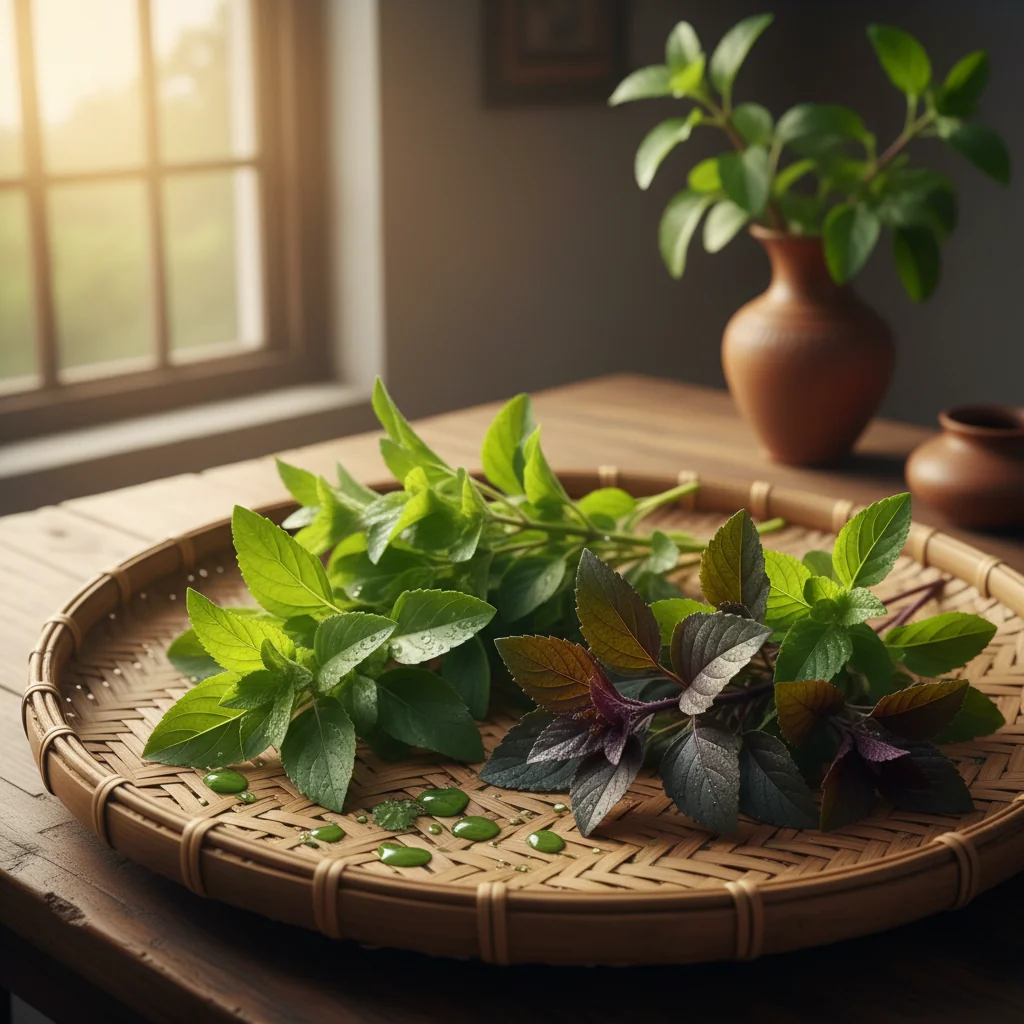
In classical Ayurveda, optimal health is defined as the harmonious equilibrium of the biological doshas (Vata, Pitta, and Kapha), vibrant digestive fire (Agni), nourished bodily tissues (Dhatus), and serene sensory contentment. When studying Amavata and Rheumatoid Arthritis: Gut Toxins, Joint Pain and Castor Oil, ancient texts including the Charaka Samhita and Sushruta Samhita offer clear therapeutic insights to restore holistic balance.
Core Clinical Concept: Amavata & Rheumatoid Care
Ayurvedic Insight Summary:
Amavata & Rheumatoid Care represents the crippling systemic pathology where toxic metabolic sludge (Ama) is swept by aggravated Vata into the synovial joint spaces (Sandhis), causing agonizing morning stiffness, feverish swelling, and scorpion-bite-like pain. By balancing bodily energies, eliminating metabolic toxins, and observing mindful lifestyle rhythms, lasting systemic vitality is cultivated naturally.
Classical Ayurvedic philosophy teaches that every bodily disturbance begins with impaired digestion and the accumulation of undigested toxins, known as Ama. Under the influence of Aggravated Vayu pushing toxic Ama into Shleshaka Kapha sites, internal channels (Srotas) require nurturing attention, gentle detoxification, and mindful dietary alignment.
Doshic Blueprint & Systemic Dynamics
| Clinical Attribute | Ayurvedic Specification | Therapeutic Significance |
|---|---|---|
| Primary Biological Element | Aggravated Vayu pushing toxic Ama into Shleshaka Kapha sites | Fundamental energetic quality governing physiological responses |
| Favorable Therapeutic Inputs | Warming dry heat poultices (Valuka Sweda), Castor oil (Eranda taila), and dried ginger | Nourishing foods, supportive herbs, and stabilizing routines |
| Pathological Aggravators | Cold wet weather, curd, black gram (Urad dal), and cold water baths | Incompatible food pairings, excessive stressors, and erratic habits |
| Optimal Times & Environments | Warm dry afternoon hours; Dry heated rooms | Auspicious diurnal rhythms and restful spatial surroundings |
| Therapeutic Colors & Elements | Anti-inflammatory bright ginger yellow, saffron orange, and deep charcoal slate | Harmonizing visual, environmental, and chromatic vibrations |
Classical Scriptural Foundation
Traditional treatises such as the Madhava Nidana Chapter on Amavata elucidate the foundational mechanics governing this physiological harmony:
“अङ्गमर्दोऽरुचिस्तृष्णा ह्यालस्यं गौरवं ज्वरः। अपाकः शूनताऽङ्गानामामामवातस्य लक्षणम्॥”
— Classical Sanskrit Reference (Madhava Nidana Chapter on Amavata)
English Translation: “Body aches, loss of appetite, intense thirst, lethargy, heaviness, low-grade fever, indigestion, and localized swelling of joints are the primary classical symptoms of Amavata.”
This classical verse highlights that when internal equilibrium is respected, the body’s innate intelligence restores harmony without harsh interventions.
Pathya vs. Apathya: Dietary & Lifestyle Guidance
Maintaining biological homeostasis requires conscious discrimination between pathya (wholesome inputs that nourish tissues) and apathya (unwholesome habits that obstruct channels):
- Wholesome Regimens (Pathya): Barley roti, drumstick (Moringa) soup, hot ginger-garlic broth, bitter vegetables, warm water.
- Unwholesome Practices to Avoid (Apathya): Fermented foods, refrigerated curd, tomatoes, heavy sweets, daytime sleeping after eating.
- Subconscious & Mental Equilibrium: Amavata represents rigid, unbending internal stances where emotional resentments have crystallized into the joints. Cultivate psychological flexibility and let stiff grudges soften.
Step-by-Step Ayurvedic Restoration Protocol
- Morning Cleansing Ritual: Wake during the calm pre-dawn hours, scrape your tongue with pure copper, and drink warm water to stimulate peristalsis.
- Gentle Snehana & Abhyanga: Massage warm herbal sesame or coconut oil onto joints and scalp to calm the nervous system and soothe excess Vata.
- Therapeutic Herbal Ingestion: Take 1 tablespoon of pure castor oil (Eranda taila) mixed in warm ginger tea at bedtime; foment joints with hot sand pouches (Valuka Sweda); take Simhanada Guggulu.
- Mindful Midday Nutrition: Consume your largest, freshly prepared meal when the digestive fire is strongest between 12:00 PM and 1:30 PM.
- Evening Restoration: Detach from digital devices one hour before resting; drink warm golden milk infused with nutmeg or turmeric for restorative sleep.
Frequently Asked Questions
Q1: Why is oil massage (Snigdha Abhyanga) strictly contraindicated in acute Amavata?
A1: Applying heavy cooling oil in active Amavata worsens the sticky Ama blockages like pouring cold water on molten grease; only dry fomentation (Ruksha Sweda) is permitted initially.
Q2: How does Castor Oil (Eranda Taila) destroy Amavata at its root?
A2: Castor oil is the lion among purgatives; its sharp, heating properties penetrate micro-channels, scrape sticky Ama from joints, and eliminate it via the colon.
Q3: What makes Amavata different from simple Sandhivata (Osteoarthritis)?
A3: Amavata is an autoimmune, toxic, inflammatory condition originating in the gut with morning stiffness, whereas Sandhivata is simple dry wear-and-tear of cartilage.
Summary & Holistic Takeaways
True healing in Ayurveda is a gradual, compassionate realignment with nature’s wisdom. By incorporating balanced nutrition, seasonal awareness, and targeted herbal remedies, Amavata & Rheumatoid Care serves as an empowering gateway to lifelong vitality and enduring serenity.
Lyrics, hymns, and spiritual verses displayed on Kriyasya are presented strictly for cultural, devotional, and educational purposes under the Fair Use doctrine. We deeply revere all original composers, traditional lyricists, and recording artists, and do not promote copyright infringement. If you enjoy this music, please support the artists by purchasing their official releases on licensed platforms such as YouTube Music, Spotify, Gaana, JioSaavn, and Apple Music. Copyright owners or authorized representatives may contact us directly at [email protected] regarding any content verification or takedown requests; our compliance desk reviews and resolves all legitimate notices within 48 hours.