

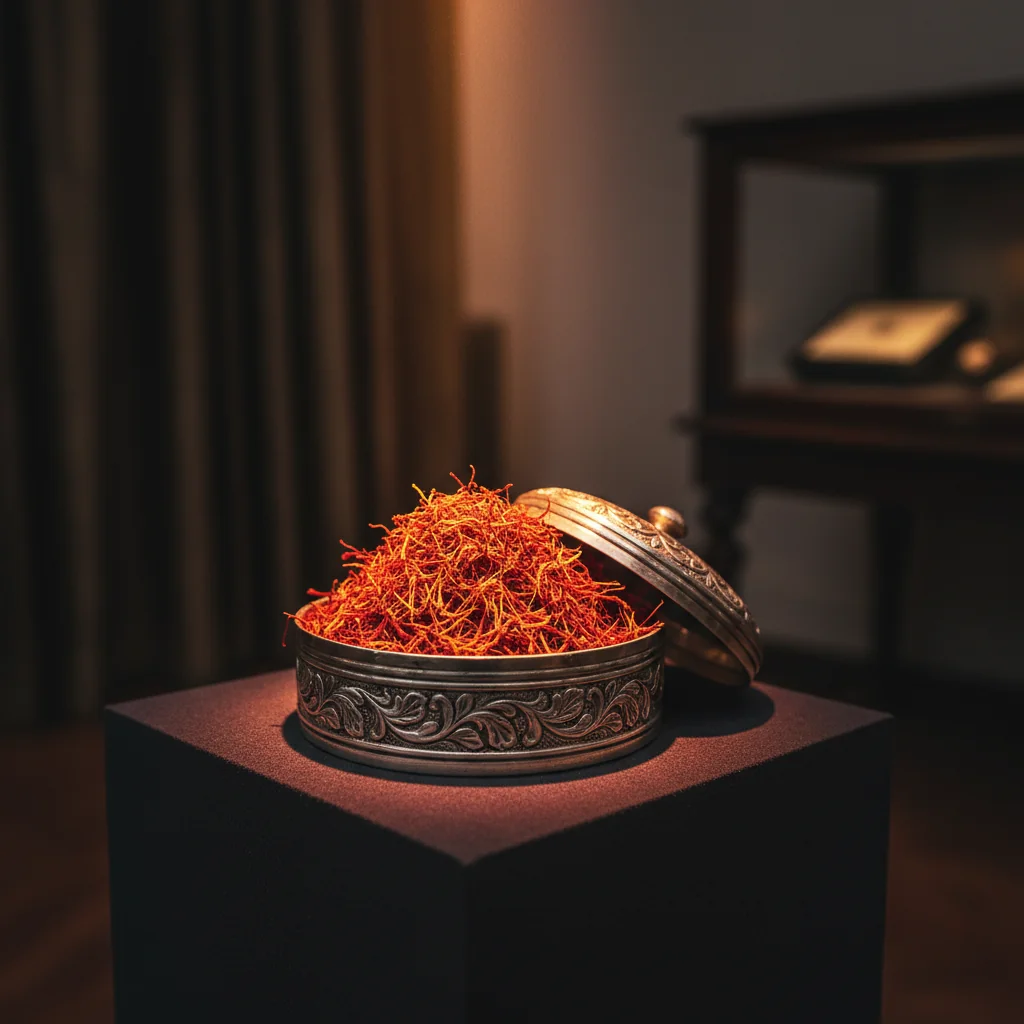
Constitutional Adaptation: Balancing Vata, Pitta, and Kapha Doshas
Featured Clinical Overview: In authentic classical Ayurveda, Clove Lavanga Oral & Respiratory Protocols serves as a revered natural therapeutic agent, balancing internal doshic disharmonies and purifying biological tissues. Documented in authoritative treatises including Bhavaprakasha Nighantu & Raja Nighantu, regular mindful administration strengthens the digestive fire (Jatharagni), eliminates toxic metabolic waste (Ama), and nurtures lasting biological immunity. Consuming with proper dosage and appropriate carriers (Anupana) harmonizes somatic vitality without reliance on synthetic additives.
“Lavanga is pungent, bitter, light, beneficial for eyes, cooling, appetizing, digestive, and pacifying to Kapha and Pitta.”
— Bhavaprakasha Nighantu & Raja Nighantu
In authentic Ayurvedic healthcare, true healing addresses the underlying constitutional root cause rather than temporarily masking superficial discomfort. Clove Lavanga Oral & Respiratory Protocols (Syzygium aromaticum (Lavanga / Devakusuma)) is celebrated in Bhavaprakasha Nighantu & Raja Nighantu for its profound restorative impact on the cellular matrix (Dhatus) and subtle physiological channels (Srotas). When utilized with appropriate seasonal awareness and individual dosha diagnosis, it balances metabolic heat, supports healthy elimination, and anchors robust vitality.
Classical Pharmacology: Dravyaguna & Energetic Profile
Pungent (Katu) and bitter (Tikta) tastes, light and oily attributes, paradoxically cooling post-contact potency (Sheeta Virya), and pungent Vipaka. Classical masters evaluate natural herbs through five foundational parameters: taste (Rasa), qualitative weight (Guna), energetic potency (Virya), post-digestive effect (Vipaka), and specific therapeutic action (Prabhava). Understanding this energetic profile ensures safe, targeted health outcomes.
| Ayurvedic Dimension | Classical Specification | Therapeutic & Somatic Impact |
|---|---|---|
| Botanical / Classical Name | Syzygium aromaticum (Lavanga / Devakusuma) | Standardized botanical nomenclature and ancient identification |
| Authoritative Scripture | Bhavaprakasha Nighantu & Raja Nighantu | Classical clinical treatise establishing indications and usage rules |
| Dosage & Carrier (Anupana) | Keep 1 whole clove in the mouth without chewing for throat soothe, or boil 2 crushed cloves in a cup of water with rock sugar. | Precise therapeutic quantities and compatible liquid medium |
| Therapeutic Outcomes | Numbs acute dental nerve pain via eugenol, halts microbial bacterial colonies in oral crevices, soothes dry cough spasms, and clears hiccups. | Rejuvenation of tissues, metabolic clarity, and vitality enhancement |
| Safety & Contraindications | Avoid applying undiluted concentrated clove essential oil directly on bare mucous membranes or infant gums as it can cause chemical burning. | Important usage cautions, sensitive population advice, and restrictions |
Step-by-Step Preparation & Daily Anupana Protocol
The therapeutic efficacy of any Ayurvedic substance depends directly upon its carrier medium (Anupana), which acts as a cellular vehicle transporting active phyto-compounds across biological membranes. To maximize bio-availability, traditional practitioners recommend taking Clove Lavanga Oral & Respiratory Protocols with warm purified water, organic cow milk, or raw honey as determined by your metabolic constitution. Consume consistently at the designated hour, avoid combining with incompatible foods (Viruddha Ahara), and maintain adequate hydration throughout the day.
Dietary Alignments & Sattvic Lifestyle Practices
Herbal therapeutics yield their greatest benefits when supported by mindful lifestyle habits. Emphasize freshly cooked, warm, easily digestible foods prepared with mild digestive spices such as cumin, coriander, and ginger. Minimize heavy processed items, deep-fried snacks, and chilled beverages that extinguish digestive fire (Mandagni). Cultivating regular sleeping schedules, gentle daily movement, and calm diaphragmatic breathing creates the optimal internal environment for complete biological renewal.
Frequently Asked Questions Regarding Clove Lavanga Oral & Respiratory Protocols
Why is clove celebrated for toothache relief across world cultures?
Its active constituent, eugenol, is a natural local anesthetic and antibacterial agent that rapidly numbs irritated dental nerve endings.
How does sucking on a whole clove suppress chronic dry cough?
The slow release of soothing aromatic oils lubricates dry pharyngeal walls and halts repetitive cough reflex spasms.
Can cloves help cure persistent hiccups (Hikka)?
Yes, classical texts prescribe drinking warm water boiled with two cloves and rock sugar to stop spasmodic diaphragmatic contractions.
Content published on Kriyasya Pulse represents editorial and educational insights uniting traditional wisdom with contemporary research. Readers are encouraged to apply discernment and seek qualified guidance where appropriate.