

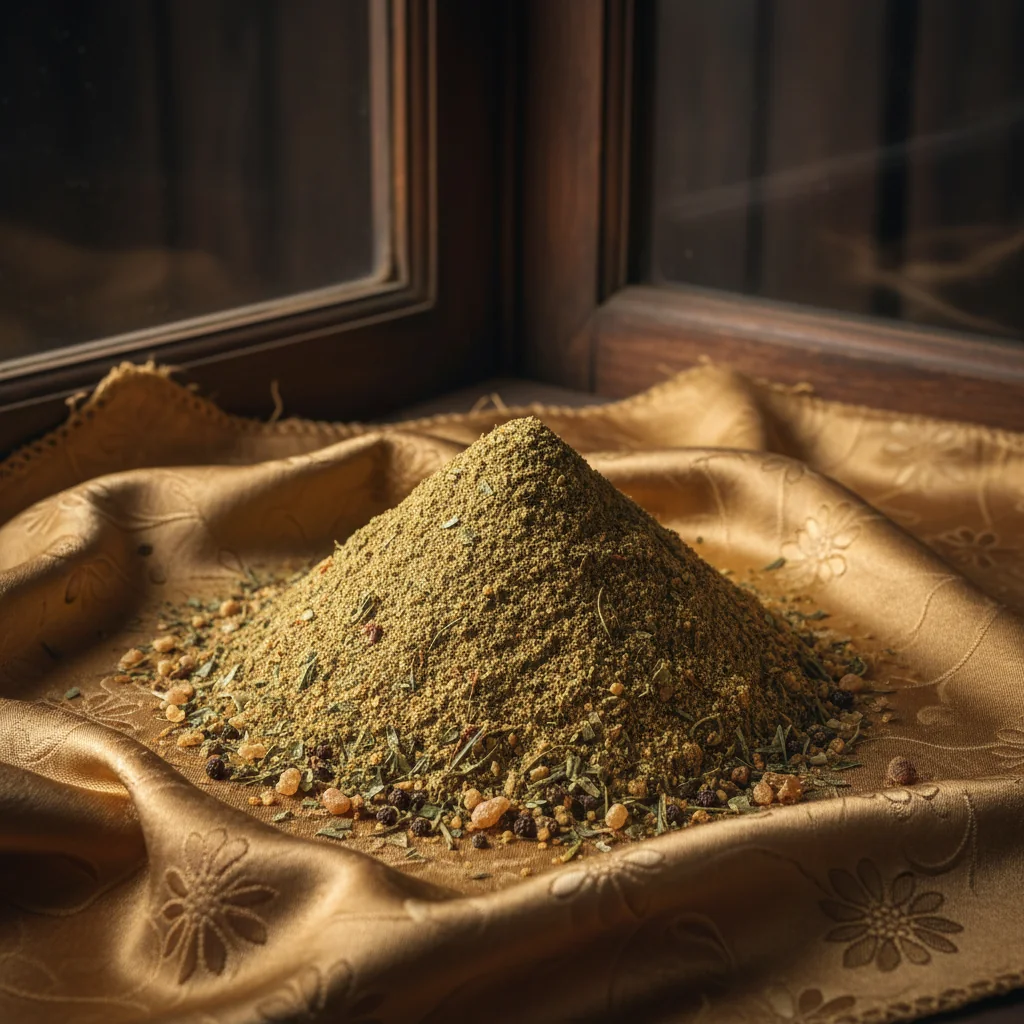
The ancient treatises of Ayurveda, including the Charaka Samhita, Sushruta Samhita, and Bhavaprakasha Nighantu, celebrate Amalaki (Indian Gooseberry / Phyllanthus emblica) (Phyllanthus emblica / Emblica officinalis) as an indispensable dravya for restoring constitutional balance, nurturing the deeper tissues (Dhatus), and preserving vital life essence (Ojas). In this comprehensive master guide, we explore the pharmacological architecture, classical indications, and clinical applications of this renowned substance.
Classical Treatise Shloka & Sanskrit Anvaya
वयःस्थापनी धात्री चाम्लं मधुरं च कषायम्। तिक्तं कटु च पञ्चरसं लवणेन विवर्जितम्॥
— vayaḥsthāpanī dhātrī cāmlaṁ madhuraṁ ca kaṣāyam, tiktaṁ kaṭu ca pañcarasaṁ lavaṇena vivarjitam (Charaka Samhita, Chikitsasthana 1.1 / Ashtanga Hridaya)
Sanskrit Anvaya & Translation: Amalaki is the supreme sustainer of youth (Vayasthapani), caring like a mother (Dhatri); it possesses five distinct tastes (Pancha Rasa) devoid only of salt, pacifying all three doshas.
Complete Dravya Guna & Energetic Profile
Ayurvedic pharmacology analyzes every food and herb through its elemental energetics. The fundamental properties of Amalaki (Indian Gooseberry / Phyllanthus emblica) are outlined below:
Contraindications, Clinical Precautions & High-Risk Profiles
While celebrated for safety and therapeutic excellence, indiscriminate use of Amalaki (Indian Gooseberry / Phyllanthus emblica) carries distinct clinical risks under specific physiological states:
- Contraindications: Acute watery diarrhea, severe colonic hypothermia, acute dental sensitivity (rinse mouth after use).
- Signs of Excessive Intake: Heavy coated tongue, lethargy following ingestion, gastric heaviness, or altered bowel transit times indicate that the digestive Agni is unable to metabolize the substance efficiently.
- Pregnancy & Lactation: Consult a qualified Ayurvedic obstetrician prior to therapeutic megadosing, ensuring that daily culinary amounts remain balanced and non-stimulating.
- Drug-Herb Interactions: If taking pharmaceutical blood thinners, hypoglycemic medications, or antihypertensive agents, maintain a 2-hour window between botanical and allopathic intake.
Suspending usage during acute ama-fever (Taruna Jwara) or severe dysentery is standard shastric protocol to prevent channel clogging (Srotorodha).
✦ Interactive Ayurvedic Diagnostic: Ayurvedic Cellular Aging & Vitality Diagnostic
Screen biological age markers, oxidative stress, and personalized Rasayana therapy.
Practical Clinical FAQs
1. How long does it take to experience visible health benefits from Amalaki (Indian Gooseberry / Phyllanthus emblica)?
Digestion ease and acid reflux relief occur within 3 to 7 days; skin radiance and hair vitality manifest over 6 to 12 weeks.
2. Can Amalaki (Indian Gooseberry / Phyllanthus emblica) be consumed daily throughout the year?
Yes, Charaka Samhita designates Amalaki as the foremost daily Rasayana suitable for lifelong consumption.
3. What is the most common mistake people make when using Amalaki (Indian Gooseberry / Phyllanthus emblica)?
Consuming commercially processed sugary amla candies loaded with refined syrup instead of pure fruit extract.
4. How does Amalaki (Indian Gooseberry / Phyllanthus emblica) interact with prescription medications?
Completely safe alongside all modern pharmaceutical protocols; enhances non-heme iron absorption.
Editorial Vaidya Verdict & Shastric Summary
The classical texts of Ayurveda place Amalaki (Indian Gooseberry / Phyllanthus emblica) among the most revered dravyas for long-term health maintenance and disease management. By honoring proper preparation rules, seasonal rhythms, and personal constitutional requirements, you harness the full restorative wisdom of classical Indian medicine for enduring vitality and longevity.
The Ayurvedic concepts, dietary principles, herbal information, and somatic wellness protocols published on Kriyasya are for general educational awareness only. They do not constitute formal medical diagnosis, treatment, or clinical prescription. Always consult a licensed Ayurvedic physician (Vaidya) or qualified healthcare professional before beginning any new herbal regimen or lifestyle therapy.