

The ancient treatises of Ayurveda, including the Charaka Samhita, Sushruta Samhita, and Bhavaprakasha Nighantu, celebrate Jowar (Sorghum / Jurna) (Sorghum bicolor) as an indispensable dravya for restoring constitutional balance, nurturing the deeper tissues (Dhatus), and preserving vital life essence (Ojas). In this comprehensive master guide, we explore the pharmacological architecture, classical indications, and clinical applications of this renowned substance.
Classical Treatise Shloka & Sanskrit Anvaya
जूर्णाख्या शीतला रूक्षा मधुरा कफपित्तजित्। बल्या लघ्वी च सोष्णा वा विपाके स्वादुतामियात्॥
— jūrṇākhyā śītalā rūkṣā madhurā kaphapittajit, balyā laghvī ca soṣṇā vā vipāke svādutāmiyāt (Bhavaprakasha Nighantu, Dhanya Varga)
Sanskrit Anvaya & Translation: Sorghum is cooling, dry, sweet, light to digest, and pacifies Kapha and Pitta; it imparts muscular strength (Balya) and transforms with sweet post-digestive effect (Madhura Vipaka).
Complete Dravya Guna & Energetic Profile
Ayurvedic pharmacology analyzes every food and herb through its elemental energetics. The fundamental properties of Jowar (Sorghum / Jurna) are outlined below:
Culinary Processing Rules: Soaking, Cooking & Agni Optimization
Raw plant compounds and seeds contain phytic acids, enzyme inhibitors, and lectins that challenge human digestion. Classical Ayurveda mandates specific culinary transformations (Samskaras) for Jowar (Sorghum / Jurna):
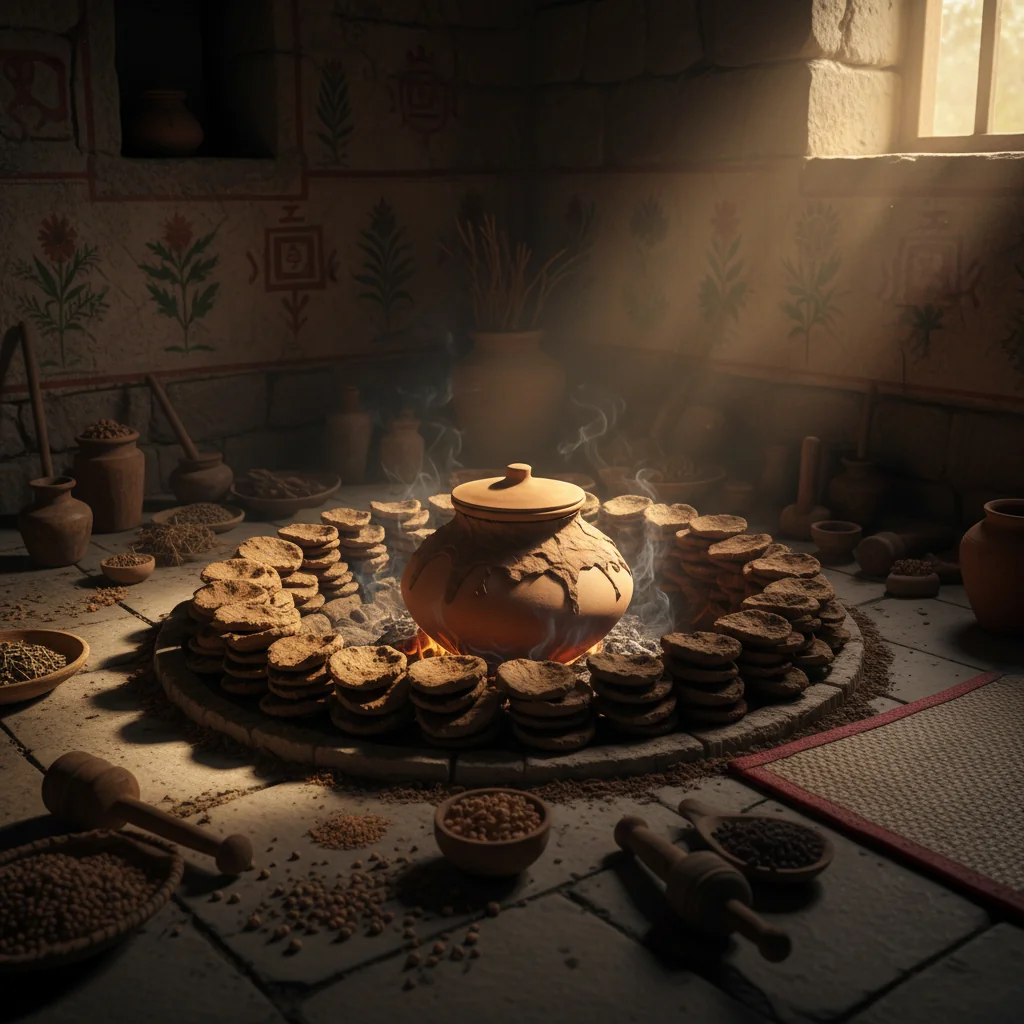
- Soaking Protocol: Use boiling water to knead jowar flour into a soft, supple dough; pat by hand onto a hot earthen skillet with water glaze on top. Soaking activates latent phytase enzymes, breaking down mineral-binding complexes and unlocking bioavailability.
- Thermal Activation (Deepana Spicing): Always temper Jowar (Sorghum / Jurna) with digestive spices such as cumin, ginger, mustard seed, or hing to ignite the local stomach Agni.
- Vessel Selection: Utilize unglazed clay pots, heavy cast iron, or stainless steel. Avoid reactive aluminum or non-stick PTFE coated cookware that leaches endocrine disruptors into acidic preparations.
- Freshness Rules: Consume freshly cooked preparations within 3 hours (one Yama). Reheating refrigerated preparations generates Tamasic energy and deadens Pranic vitality.
Proper culinary transformation converts heavy, sluggish foods into light, easily assimilated medicinal nectar.
✦ Interactive Ayurvedic Diagnostic: Ayurvedic Cardiovascular & Pitta Assessment
Screen arterial health, Pitta thermal stress, and vascular wellness.
Practical Clinical FAQs
1. How long does it take to experience visible health benefits from Jowar (Sorghum / Jurna)?
Digestive lightness and reduction in acid reflux symptoms are typically noticed within 48 to 72 hours of switching from wheat.
2. Can Jowar (Sorghum / Jurna) be consumed daily throughout the year?
Superb summer and autumn staple; in deep winter, pair with warm sesame seed chutney or ghee.
3. What is the most common mistake people make when using Jowar (Sorghum / Jurna)?
Using cold water to knead the dough, making the rotis hard, dry, and difficult to digest.
4. How does Jowar (Sorghum / Jurna) interact with prescription medications?
Safe with heart and blood pressure medications; its rich potassium content supports cardiovascular homeostasis.
Editorial Vaidya Verdict & Shastric Summary
The classical texts of Ayurveda place Jowar (Sorghum / Jurna) among the most revered dravyas for long-term health maintenance and disease management. By honoring proper preparation rules, seasonal rhythms, and personal constitutional requirements, you harness the full restorative wisdom of classical Indian medicine for enduring vitality and longevity.
The Ayurvedic concepts, dietary principles, herbal information, and somatic wellness protocols published on Kriyasya are for general educational awareness only. They do not constitute formal medical diagnosis, treatment, or clinical prescription. Always consult a licensed Ayurvedic physician (Vaidya) or qualified healthcare professional before beginning any new herbal regimen or lifestyle therapy.