

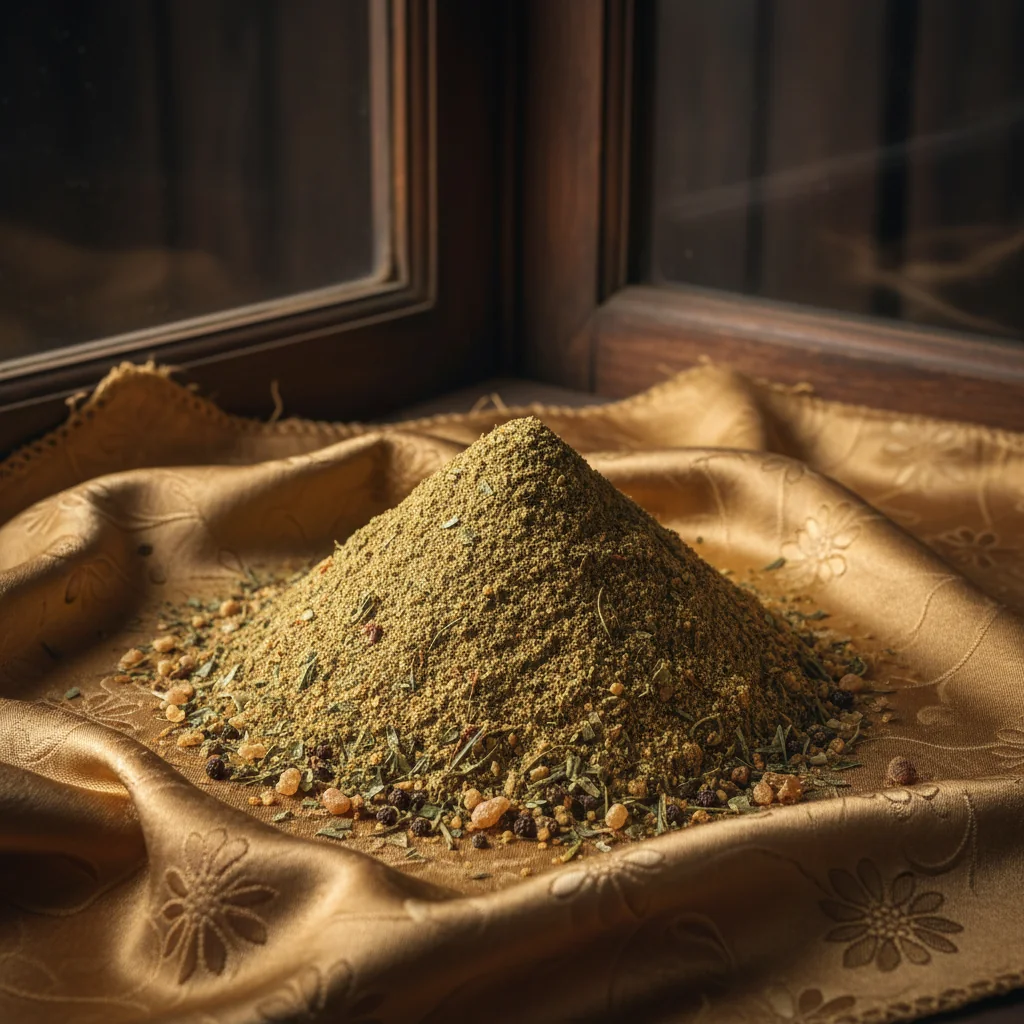
The ancient treatises of Ayurveda, including the Charaka Samhita, Sushruta Samhita, and Bhavaprakasha Nighantu, celebrate Bajra (Pearl Millet / Sajja) (Pennisetum glaucum) as an indispensable dravya for restoring constitutional balance, nurturing the deeper tissues (Dhatus), and preserving vital life essence (Ojas). In this comprehensive master guide, we explore the pharmacological architecture, classical indications, and clinical applications of this renowned substance.
Classical Treatise Shloka & Sanskrit Anvaya
सज्जिका मधुरा तिक्ता रूक्षोष्णा कफवातहा। वह्निप्रदा बलकरी पित्तला च विपाकतः॥
— sajjikā madhurā tiktā rūkṣoṣṇā kaphavātahā, vahnipradā balakarī pittalā ca vipākataḥ (Bhavaprakasha Nighantu / Kaiyadeva Nighantu)
Sanskrit Anvaya & Translation: Pearl millet is sweet and bitter, dry and heating in potency (Ushna Virya); it destroys Kapha, ignites digestive fire (Vahniprada), bestows stamina (Balakari), and mildly excites Pitta.
Complete Dravya Guna & Energetic Profile
Ayurvedic pharmacology analyzes every food and herb through its elemental energetics. The fundamental properties of Bajra (Pearl Millet / Sajja) are outlined below:
Quality Purity Testing: How to Identify Authentic vs Adulterated Varieties
Commercialization has resulted in widespread adulteration of traditional herbs, grains, and oils. To ensure that Bajra (Pearl Millet / Sajja) provides true therapeutic benefit, implement the following authenticity criteria:
- Physical & Sensory Verification: Small slate-grey or greenish-grey grains, slightly sweet grassy fragrance, devoid of bitterness or rancid odors.
- Water Dispersion Test: Authentic varieties disperse uniformly without forming oily synthetic residues or unnatural chemical scents.
- Source Verification: Insist on single-origin, heirloom, non-hybrid seeds and organically cultivated harvests unaffected by synthetic pesticides, hexanes, or chemical bleaching.
- Packaging Integrity: Ensure packaging in opaque, food-grade glass or high-barrier nitrogen-flushed tins to prevent lipid peroxidation and volatile oil degradation.
Consuming contaminated or oxidized materials introduces chemical burdens into the liver (Yakrit), neutralizing the entire restorative purpose of Ayurvedic therapy.
✦ Interactive Ayurvedic Diagnostic: Ayurvedic Seasonal Diet (Ritucharya) Planner
Optimize your seasonal food choices according to your body’s constitutional thermal needs.
Practical Clinical FAQs
1. How long does it take to experience visible health benefits from Bajra (Pearl Millet / Sajja)?
Improves cold tolerance, peripheral circulation, and stamina within 10 to 14 days of winter dietary incorporation.
2. Can Bajra (Pearl Millet / Sajja) be consumed daily throughout the year?
Best consumed during Hemanta and Shishira (winter and early spring); avoid or minimize during hot summer months.
3. What is the most common mistake people make when using Bajra (Pearl Millet / Sajja)?
Eating dry bajra rotis without generous amounts of A2 ghee or butter, which triggers severe dry constipation in Vata constitutions.
4. How does Bajra (Pearl Millet / Sajja) interact with prescription medications?
No known negative interactions with pharmaceutical agents; supportively complements iron therapy.
Editorial Vaidya Verdict & Shastric Summary
The classical texts of Ayurveda place Bajra (Pearl Millet / Sajja) among the most revered dravyas for long-term health maintenance and disease management. By honoring proper preparation rules, seasonal rhythms, and personal constitutional requirements, you harness the full restorative wisdom of classical Indian medicine for enduring vitality and longevity.
The Ayurvedic concepts, dietary principles, herbal information, and somatic wellness protocols published on Kriyasya are for general educational awareness only. They do not constitute formal medical diagnosis, treatment, or clinical prescription. Always consult a licensed Ayurvedic physician (Vaidya) or qualified healthcare professional before beginning any new herbal regimen or lifestyle therapy.