

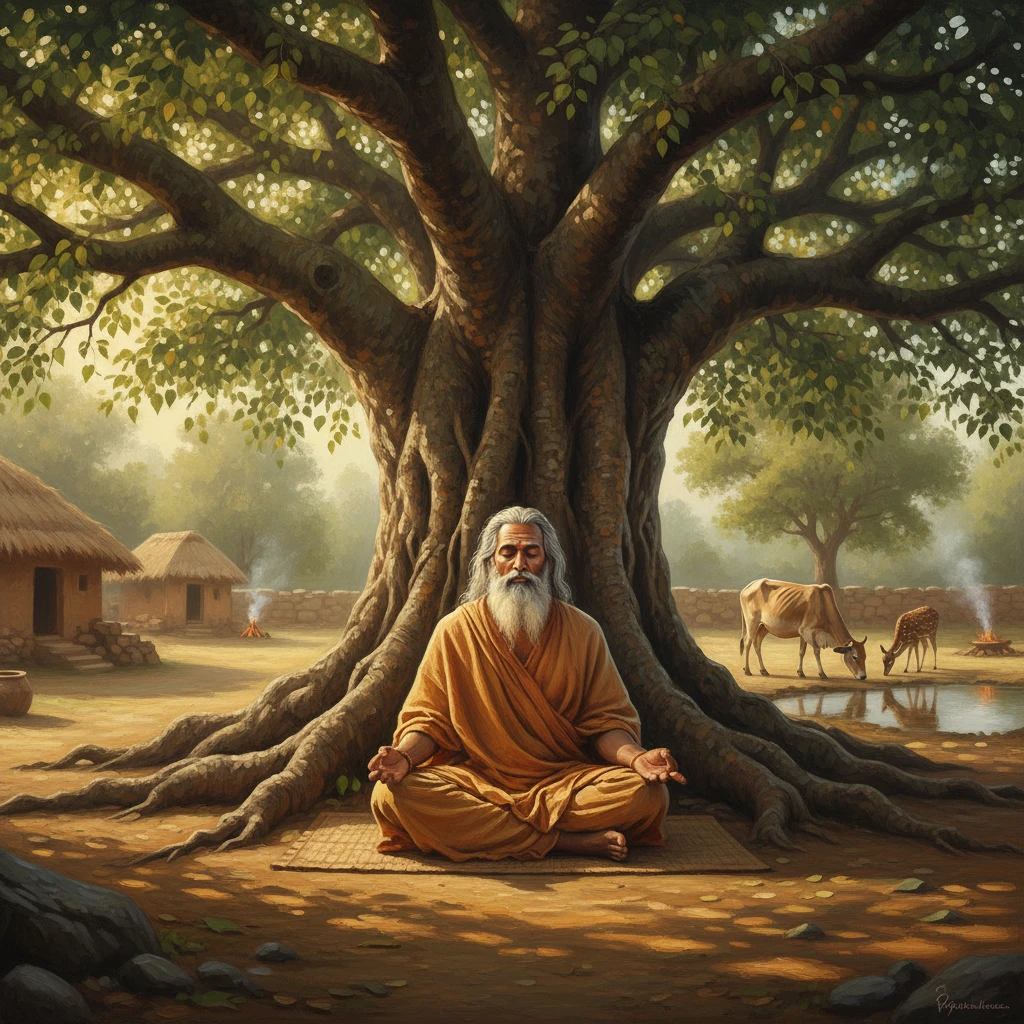
The tradition of Bhajan (derived from the Sanskrit root Bhaj, meaning to participate in, revere, or belong to God) represents the flowering of medieval and modern Bhakti yoga. Unlike strictly metered Vedic recitations, bhajans provide an accessible, deeply emotional conduit for the human heart to communicate directly with the divine. Catalyzed by celebrated saint-mystics such as Meerabai, Surdas, Kabir, Tulsidas, and Purandara Dasa, bhajans synthesize classical Indian ragas with lyrical sweetness. Communal singing or solitary listening to bhajans softens emotional hardening, regulates autonomic heart rate variability, releases chronic grief, and awakens divine ecstasy (Prema Bhakti). The Devotional Bhajans Portal offers lyrics, audio renditions, ragas, and contextual stories for immortal masterpieces like Achyutam Keshavam, Payoji Maine Ram Ratan Dhan Payo, and Vaishnava Jana To.
⚖️ Wellness & Legal Safety Disclaimer
This digital self-help exercise and informational guide are intended solely for educational, psychoeducational, and general personal wellness purposes. It does not constitute medical advice, clinical psychological assessment, psychiatric treatment, or a formal therapeutic relationship. Wellbeing exercises affect individuals differently; discontinue any somatic or cognitive practice that elicits distress and consult a licensed healthcare professional.
Emergency Crisis Resources: If you are experiencing acute psychological distress, panic crisis, or thoughts of self-harm, please reach out immediately to qualified emergency support services: Tele-MANAS (14416 / 1800-891-4416), KIRAN Mental Health Support (1800-599-0019, 24×7), or National Emergency Services (112 in India, 988 in the US/Canada).
Saint-Mystics of the Bhakti Movement & Their Masterpieces
| Saint Mystic | Devotional Mood (Bhava) | Celebrated Bhajan & Core Theme |
|---|---|---|
| Sant Meerabai | Madhurya Bhava (Divine Beloved Love) | Payoji Maine Ram Ratan Dhan Payo — Inestimable spiritual wealth discovered in divine remembrance transcending worldly treasure. |
| Sant Surdas | Vatsalya & Sakhya Bhava (Parental & Friendly Adoration) | Maiya Mori Main Nahin Makhan Khayo — Childlike innocence, tender intimacy, and leela of Bal Gopal Krishna. |
| Sant Kabir Das | Nirguna Bhakti & Vairagya (Detachment from Maya) | Chadariya Jhini Re Jhini — The delicate human body-cloth woven with breaths, kept spotless through righteous living. |
| Narsinh Mehta | Universal Compassion (Karuna Bhava) | Vaishnava Jana To — The true devotee who feels another’s pain as their own without harbouring arrogance. |
How Devotional Singing Heals Emotional Stress
- Vagus Nerve Stimulation: Singing and chanting elongate the exhalation phase, activating the parasympathetic nervous system and reducing cortisol levels.
- Emotional Release: Bhajans give safe expression to repressed grief, longing, and loneliness, redirecting raw human emotional energy toward divine transcendence.
- Communal Resonance (Satsang): Collective kirtan synchronized with mridanga and kartals breaks social isolation and cultivates a profound sense of shared spiritual community.
Frequently Asked Questions
What is the spiritual difference between a Bhajan and a Kirtan?
A Bhajan is typically a contemplative, melodic song composed of verses and choruses often sung solo or listened to meditatively. A Kirtan is a dynamic, call-and-response communal chanting format with rhythmic acceleration that leads into ecstatic group participation.
Can listening to bhajans bring the same benefits as singing them?
Yes. In Bhakti yoga, ‘Shravana’ (attentive hearing of divine glories) is recognized as the first and foundational limb of Navadha Bhakti, which purifies the mind even before one actively sings.
Content published on Kriyasya Pulse represents editorial and educational insights uniting traditional wisdom with contemporary research. Readers are encouraged to apply discernment and seek qualified guidance where appropriate.